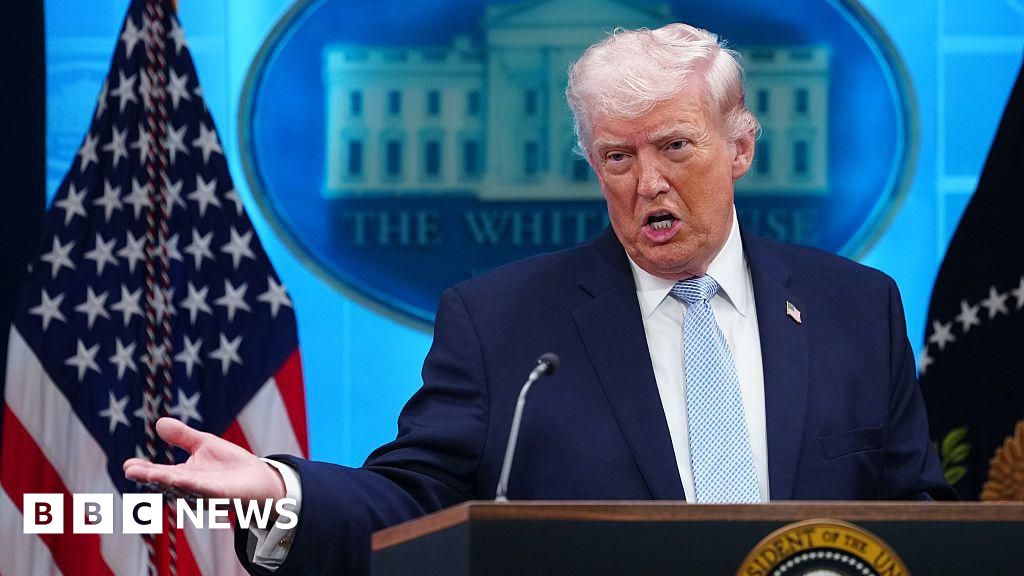
In a dramatic escalation of rhetoric, US President Donald Trump issued a stark warning, threatening to devastate Iran “in one night” should Tehran fail to meet an impending ultimatum regarding the vital Strait of Hormuz. This decisive moment, defined by Trump’s Iran deadline, has cast a long shadow over global stability, with world leaders and markets closely monitoring the situation.
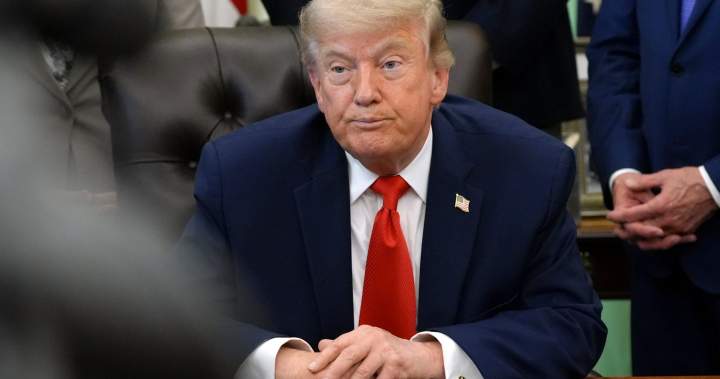
The President’s deadline for an “acceptable” resolution, specifically demanding the unobstructed flow of energy through the Gulf, is set for Tuesday at 20:00 Washington DC time (00:00 GMT Wednesday). Speaking from the White House, flanked by top defense officials, Trump expressed a somewhat contradictory optimism, suggesting “reasonable” Iranian leaders were engaging in “good faith” discussions, even as Tehran has staunchly rejected calls for a temporary ceasefire, instead pushing for a permanent cessation of hostilities and the complete lifting of sanctions.
Mounting Pressure Ahead of Trump’s Iran Deadline
Days after American forces successfully rescued two crew members from a downed F-15 fighter jet in southern Iran, President Trump utilized a news conference to reiterate his severe threats. He warned of potential attacks targeting Iran’s energy and transportation infrastructure if the Strait of Hormuz, a crucial choke point for global oil shipments, remained closed past the Tuesday cutoff. “The entire country can be taken out in one night – and that night might be tomorrow night,” he declared with chilling precision on Monday. Should the deadline pass unmet, Trump ominously added, Iran would be thrust back into the “Stone Ages,” envisioning a nation stripped of its bridges and power plants.
Despite the escalating tensions and Iran’s firm rejection of US demands, Trump remarkably maintained an air of hope, stating, “We’re going to find out,” implying a belief in ongoing negotiations even after recent US and Israeli strikes reportedly eliminated layers of Iranian leadership. However, regional officials, speaking anonymously due to the sensitive nature of these discussions, caution that substantive progress is highly improbable without an initial ceasefire. Communication difficulties, exacerbated by an ongoing blackout, have severely hampered the ability to convey messages to and from Iranian officials, with response times reportedly stretching to “a day or so.” Nations including Pakistan, Turkey, and Egypt are reportedly engaged in mediation efforts, striving to de-escalate the burgeoning crisis.
While the administration remains tight-lipped about its precise next steps, President Trump cryptically assured reporters he possessed “the best plan” but would not disclose its details to the media. Meanwhile, legal experts are sounding alarms over the potential implications of such widespread infrastructural assaults. Tess Bridgeman, a former National Security Council legal advisor during the Obama administration, told CBS, “Obliterating all power plants, threatening coercive actions against the civilian population to try to bring a government to the negotiating table, those kinds of things are all flatly illegal,” potentially constituting war crimes under international law. For further insights into rules of conflict, one might consult various global bodies.
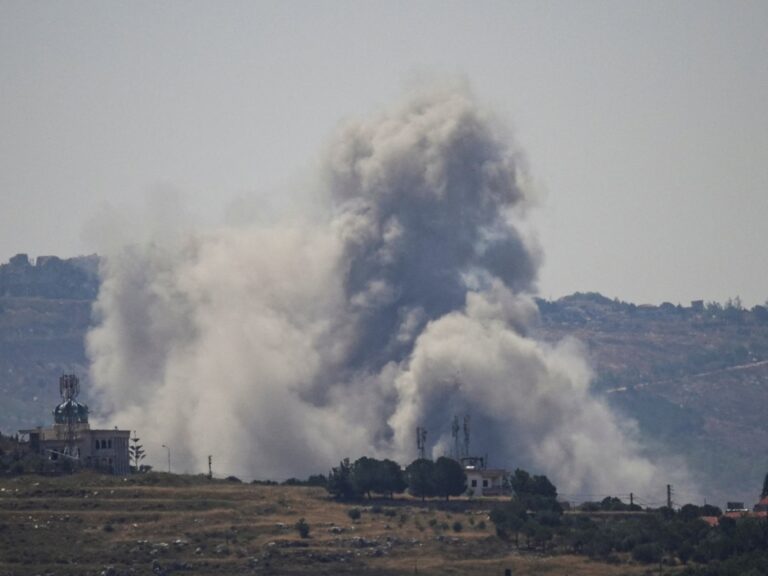
Earlier in the day, Trump dismissed concerns about potential war crimes, asserting that the Iranian populace would be “willing to suffer to have freedom,” even while denying any intention to overthrow the government. He also took the opportunity to lash out at key US allies, including the UK, NATO, and South Korea, accusing them of failing to support the US during the ongoing conflict. “That’s a mark on Nato that will never disappear,” he stated, adding pointedly that the US does not “need” the UK. With American forces having conducted over 13,000 strikes across Iran since the conflict began, the stakes around Trump’s Iran deadline could not be higher.
About the Author