
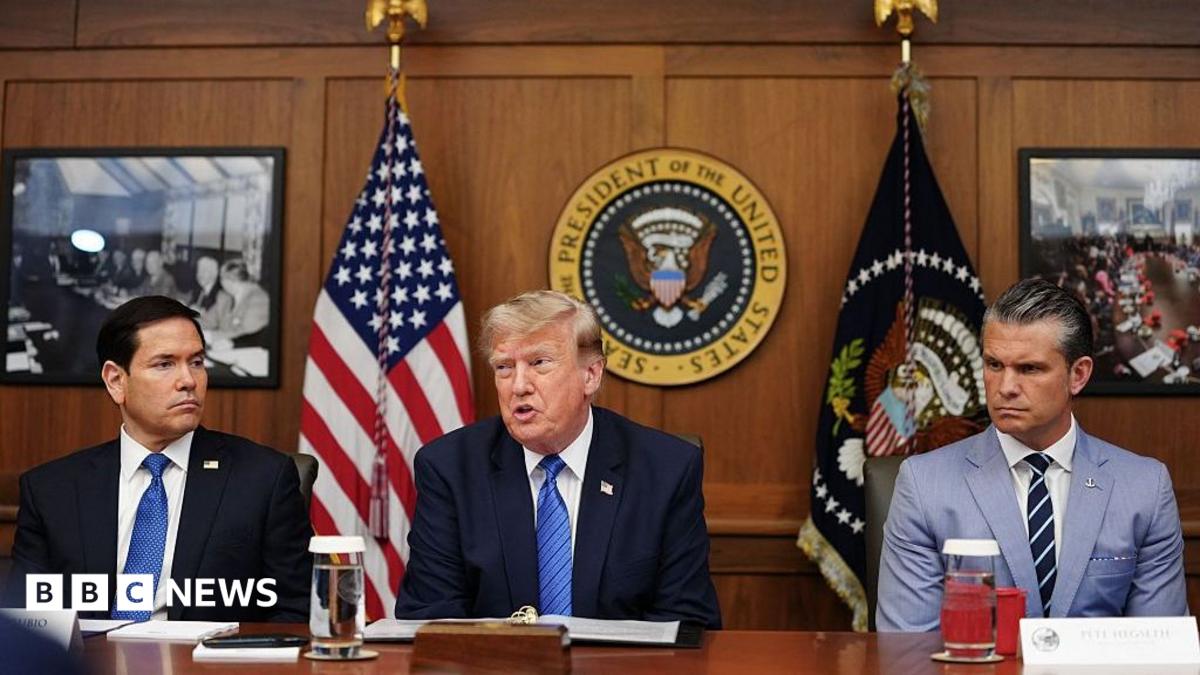
White House denies Hegseth and Rubio to leave jobs after Republican election losses
Introduction & Key Takeaways
Following a turbulent period of political realignment, the White House has issued an official denial regarding rumors that Defence Secretary Pete Hegseth and Secretary of State Marco Rubio are preparing to exit their posts. This development comes amid the high-stakes aftermath of the 2026 US midterm elections, where the Republican Party faced significant losses. The stability of the Trump administration remains a central concern for global observers, particularly as the executive branch navigates internal friction and external pressures.
- The White House officially rejected reports suggesting an imminent cabinet shakeup involving top-tier officials.
- The ongoing conflict in Iran is being heavily scrutinized as a primary driver of recent Republican electoral setbacks.
- Strategic internal tensions exist as some party members actively seek the impeachment of the current defence leadership.
- Marco Rubio has publicly affirmed his commitment to his role, dismissing speculation about his future political ambitions for the time being.
Background & Context (What Just Happened?)
The political atmosphere in Washington has been electric following the midterms. According to recent international reporting, the shift in legislative power has emboldened critics within the Republican ranks. The White House, in a bid to project unity, has pushed back against narratives claiming that the administration is preparing for a post-election purge. This follows a period where major economic shifts influenced global markets, much like the patterns observed during global tech stock volatility. The discourse centers on whether the administration can maintain its core team or if the pressure of the Iran war has rendered their positions untenable.
Root Cause & Deep Dive Analysis (Why Did This Happen?)
The roots of this instability lie in the intersection of military engagement and domestic public opinion. The Iran war, now stretching into its ninth month, has become a lightning rod for political fallout. While President Trump has maintained that his cabinet members have achieved significant milestones, such as the apprehension of key global figures, the legislative cost of the conflict has been steep. Critics argue that the strategic focus on the Middle East has alienated crucial voting demographics at home. Furthermore, the push for impeachment by some Republican representatives reflects a growing fracture between the traditional party establishment and the current executive’s operational doctrine.
Strategic Implications & Future Impact (What Does This Mean Globally?)
For the international community, the potential removal of the Secretary of State or the Defence Secretary represents a significant pivot point in global diplomacy. The current Trump administration strategy relies heavily on the continuity of these figures to manage the delicate balance of power in the Levant and beyond. Should the administration falter in keeping these high-level officials, the vacuum created could embolden adversaries and unsettle allies who depend on a predictable foreign policy trajectory from the United States. Furthermore, if the impeachment efforts against Hegseth gain traction, it would signify a major constitutional battle that could paralyze foreign policy initiatives in the final years of this term.
Conclusion & What to Watch Next
As the administration moves toward a period of legislative transition with a newly empowered opposition, the primary focus will remain on whether President Trump can effectively shield his cabinet from further political erosion. The coming weeks will be critical to observe how the White House handles the vocal dissent from within its own party. Observers should keep a close eye on any shift in rhetorical strategy from the White House regarding the Iran conflict, as well as the legislative procedures in the House of Representatives that could dictate the speed of future confirmation processes for potential replacements.
For those looking to understand the broader cultural and economic landscape surrounding these political movements, exploring resources like The Curator provides a unique perspective on the intersection of consumer trends and the national mood.