
Who is Kozo Tashima, the Japanese official running for FIFA presidency?
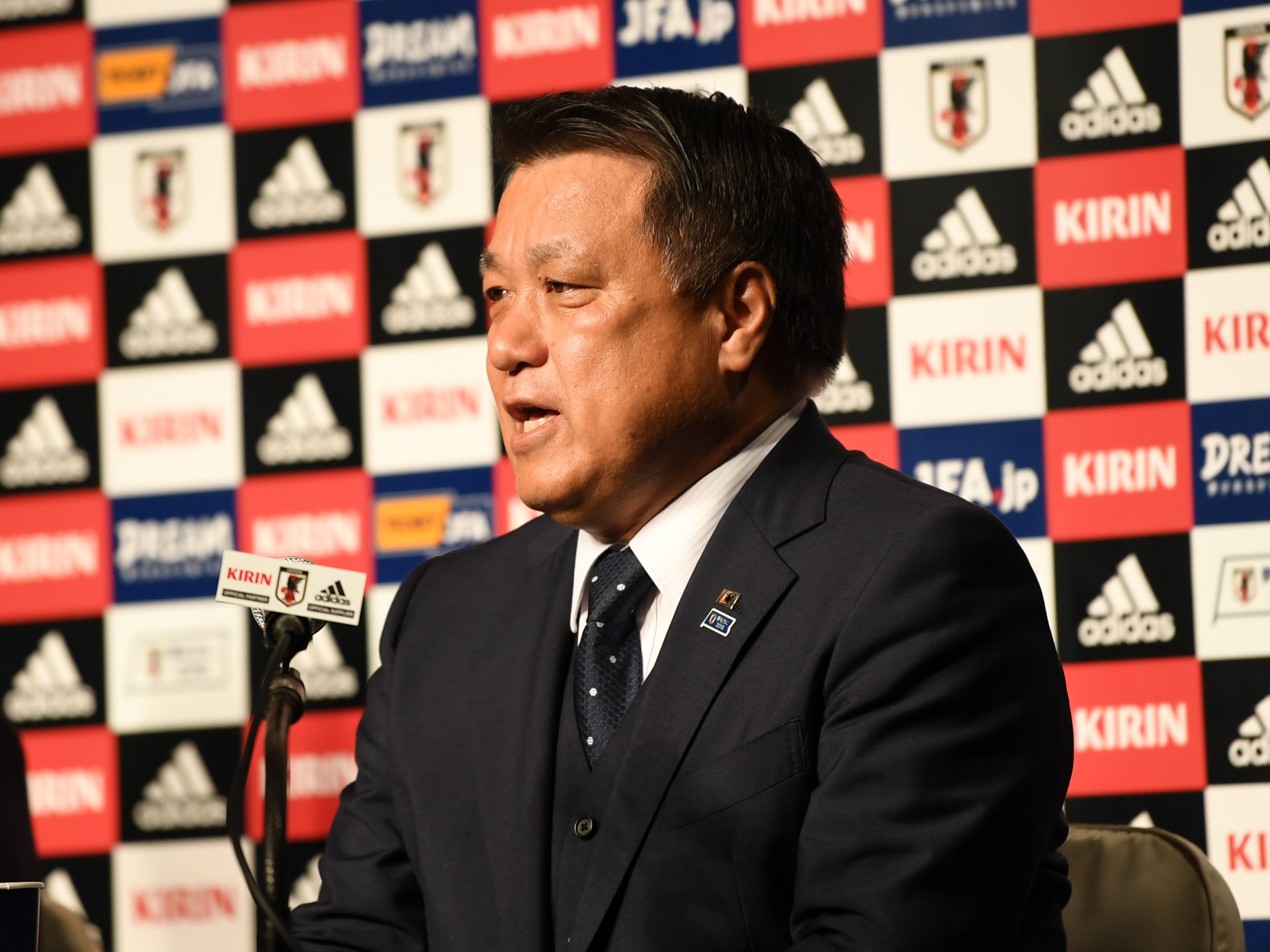
Introduction & Key Takeaways
The global football landscape is witnessing a moment of unprecedented scrutiny as the FIFA presidency, traditionally viewed as a stronghold of incumbent power, faces a rare, principled challenge. Kozo Tashima, the former Japan Football Association (JFA) president, has emerged as a significant figure in this shifting narrative. As the first Japanese candidate to seek the top position at FIFA, his campaign brings renewed focus to the governance of the sport. Tashima is positioning his bid as a moral corrective to the current state of football, framing the election as a crucial test of whether the organization can prioritize integrity over commercial interests. The following points summarize the essence of his campaign:
- Tashima represents a, bureaucratic, and stable alternative to the current FIFA administration.
- His platform centers on restoring institutional integrity, explicitly challenging the influence of money and politics in modern sport.
- The candidacy underscores growing dissatisfaction with the current leadership, specifically citing recent controversies surrounding political interventions in match rulings and travel restrictions.
Background & Context (What Just Happened?)
Kozo Tashima is not a political novice. His journey from a young player captivated by the 1964 Tokyo Olympics to the helm of Japanese football has been defined by a deep commitment to systemic development. After his tenure as a player, he spent time in Germany, an experience he credits with fundamentally changing his perception of sports management. Following his return to Japan, he methodically rose through the ranks of the JFA, eventually serving as its president from 2016 to 2024. During this period, he became known for his direct, accountable leadership style, most notably during the controversial firing of national team coach Vahid Halilhodzic. His decision to stand against Gianni Infantino in the upcoming March election has caught the attention of global stakeholders, who often analyze the governance models that have defined recent decades of football administration.
Root Cause & Deep Dive Analysis (Why Did This Happen?)
The core motivation behind Tashima’s campaign is a reactive stance against the perceived erosion of organizational independence. The world of sports, particularly football, has become deeply intertwined with geopolitical and commercial interests. Tashima has been particularly vocal regarding FIFA’s recent structural weaknesses, citing the lifting of a suspension for a US player following political intervention and the restrictive policies imposed on other nations. Tashima views these events not as isolated incidents, but as symptoms of a broader disease within the organization. By challenging the status quo, he is forcing a debate about whether FIFA remains an entity for the game or merely a vehicle for political capital. This, as some experts have noted, reflects a broader communication challenge that international bodies face when attempting to maintain neutrality in a polarized world.
Strategic Implications & Future Impact (What Does This Mean Globally?)
The implications of this bid extend far beyond the ballot box. Even if Tashima does not secure the presidency, his candidacy serves as a catalyst for reform movements within the Asian Football Confederation and beyond. It forces the current administration to engage in a public dialogue about accountability, potentially weakening the perception of invincibility surrounding the incumbent. If successful, a Tashima presidency could usher in a more, transparent, and scientifically grounded era for FIFA, drawing on his experience in Japanese sports science and systematic planning. However, the influence of established power networks remains formidable, and the outcome will likely hinge on the support of various regional blocs that are currently weighing the benefits of continuity versus the necessity of change.
Conclusion & What to Watch Next
As the March election approaches, all eyes will be on how Tashima manages his outreach to other federations. His campaign is, by his own admission, not merely about winning or losing but about establishing a baseline for integrity. Whether this, safe pair of hands, can successfully navigate the treacherous waters of global sports politics remains to be seen. Supporters are encouraged to watch for shifts in public endorsements from neutral federations, as these will indicate whether the movement for change is gaining significant momentum or if it will remain a symbolic protest against the entrenched, global power structures currently governing the world’s most popular sport.