
Why PM Modi Visited The Afsluitdijk: The Dutch Water Model India Is Studying
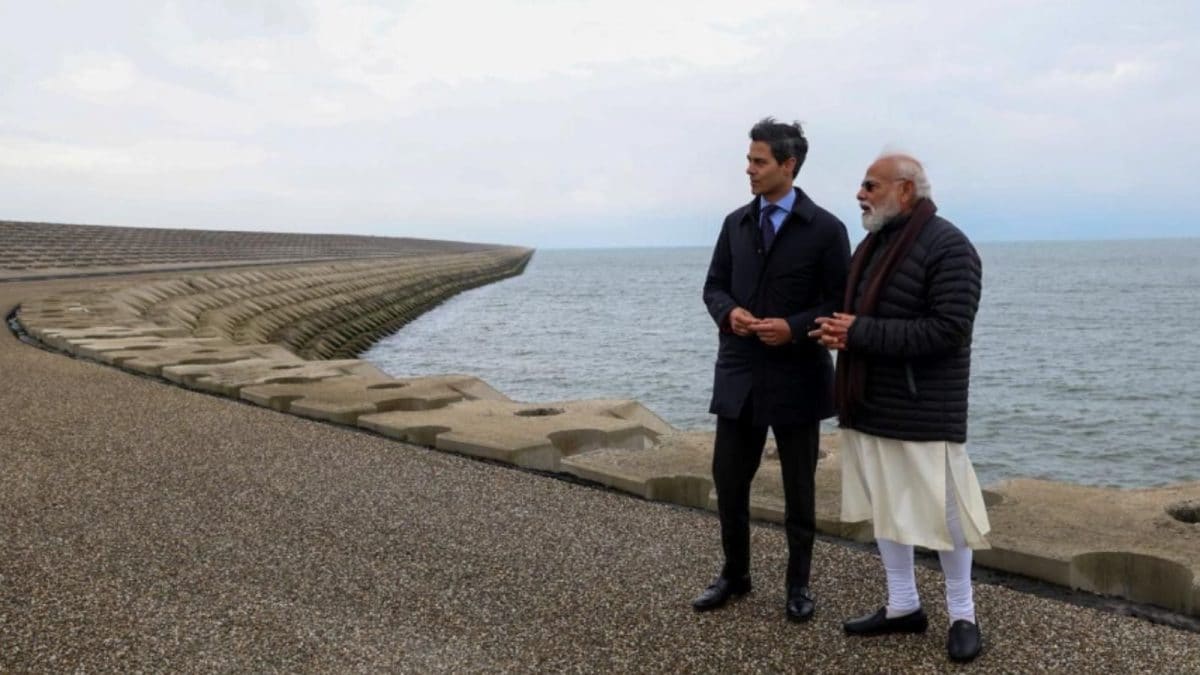
Prime Minister Narendra Modi recently concluded a significant two-day visit to the Netherlands, culminating in an inspection of the iconic Afsluitdijk dam. This landmark engagement underscored India’s keen interest in adopting the renowned Dutch Water Model for its own monumental infrastructure ambitions.
Hailed by PM Modi as a “groundbreaking” and “pioneering work,” the Afsluitdijk stands as a testament to the Netherlands’ unparalleled prowess in water resources management. For over nine decades, this formidable 32-kilometre-long dam and causeway has valiantly safeguarded vast swathes of the low-lying nation from the encroaching North Sea, simultaneously creating crucial freshwater reserves. Modi emphasized, “The entire international community can learn a great deal from this.” This sentiment particularly underlined the profound influence of the Dutch Water Model.
Embracing the Dutch Water Model for India’s Future
The urgency behind this knowledge exchange is palpable, particularly with India’s ambitious Kalpasar Project. This colossal undertaking aims to construct a 30-kilometre dam across the Gulf of Khambhat in Gujarat, an endeavor poised to establish what could become the planet’s largest freshwater reservoir in a marine setting. Beyond safeguarding against floods, the project envisions integrating tidal power generation, robust irrigation solutions, and vital transportation infrastructure.
A Letter of Intent between India’s Ministry of Jal Shakti and the Netherlands’ Ministry of Infrastructure and Water Management further solidifies this technical cooperation. The planned reservoir, according to reports, is projected to hold approximately 10 billion cubic metres of freshwater from major rivers like the Narmada, Mahi, Sabarmati, and Dhadar. This enormous capacity would address critical irrigation, drinking water, and industrial needs across water-stressed regions of Saurashtra and South Gujarat. Moreover, a 10-lane transport corridor atop the dam promises to dramatically cut travel distances between Saurashtra and South Gujarat by over 200 kilometers. Such complex undertakings demand advanced hydraulic engineering and strategic foresight, qualities the Netherlands exemplifies.
MEA spokesperson Randhir Jaiswal fittingly described the Afsluitdijk as “a symbol of engineering excellence and innovation,” highlighting its direct relevance to the Kalpasar Project’s success. The insights gained from the Netherlands’ decades of experience offer invaluable lessons for India’s future water security and infrastructural development.