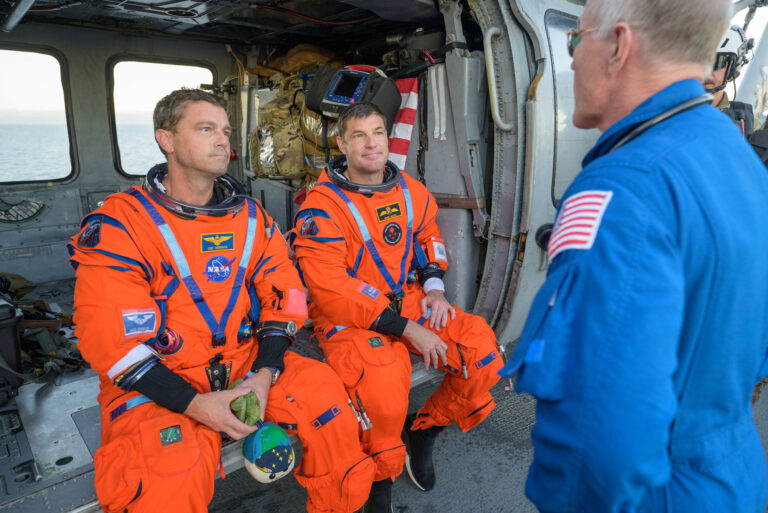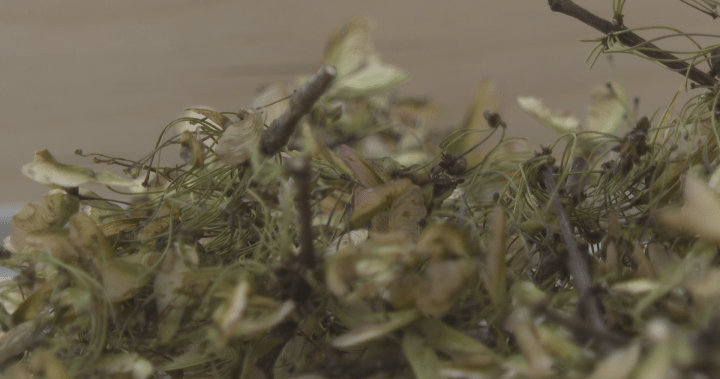
Thousands of kilometres above our pale blue dot, nestled within a metallic envelope described whimsically as “five aluminum ravioli,” a precious cargo of 2,600 Canadian seeds is embarking on an extraordinary journey. These tiny botanical ambassadors are voyaging through the vast emptiness of outer space alongside the crew of Artemis II, yet their ultimate purpose isn’t to colonize the lunar surface. Far from it, their mission is a stark reminder of vital conservation work happening right here at home.
The Earth-Bound Mission of Canadian Seeds
Darren Derbowka, coordinator at the National Tree Seed Centre, reveals the celestial passenger list: lodgepole pine, eastern white cedar, red maple, white birch, and eastern white pine. These aren’t destined for an extraterrestrial forest. Instead, this remarkable project aims to ignite a critical conversation about the precarious state of Canada’s native tree species.
“Right now, 25 per cent of Canada’s native trees are imperiled or threatened in some way,” Derbowka emphasizes, highlighting the urgency. The National Tree Seed Centre in Fredericton meticulously safeguards over 13,000 seed collections, representing more than 250 species of trees and shrubs. This vital conservation work, intensified by the relentless march of climate change, finds an unexpected spotlight through the Artemis II mission. Derbowka passionately hopes this lunar adventure will illuminate the crucial environmental efforts unfolding on Earth.
Indeed, the scope of Canadian involvement in Artemis II extends beyond these miniature voyagers. Astronaut Jeremy Hansen, a proud resident of London, Ontario, is poised to etch his name into history as the first Canadian to circumnavigate the moon. Concurrently, the academic minds at the University of New Brunswick, faculty and students alike, are diligently tracking the Orion spacecraft as part of a volunteer program with NASA, contributing to humanity’s journey to the moon.
The sentiment is clear: “There’s already one planet in this solar system that needs terraforming and we are standing on it,” Derbowka stated, a powerful testament to our collective responsibility. This audacious endeavor, sending Canadian seeds to the moon, is more than just a scientific curiosity; it is a profound symbolic gesture. It contributes a small, yet significant, piece of Canada to a monumental space exploration mission, offering a once-in-a-lifetime chance to underscore the paramount importance of preserving our natural heritage.
About the Author