
Will the Iran war reshape the global energy order?
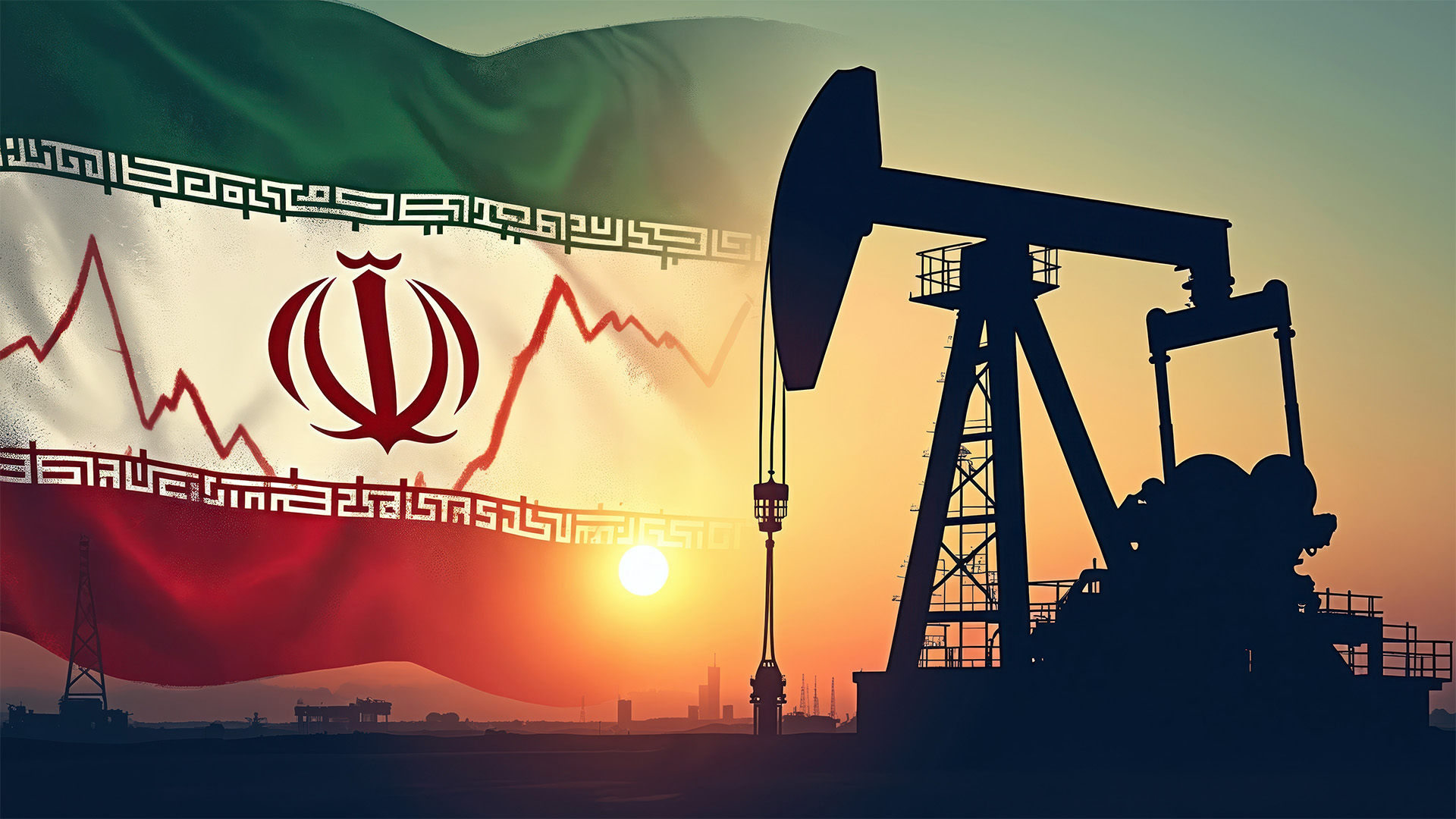
The unfolding conflict between the US, Israel, and Iran is sending seismic waves through international markets, fundamentally reshaping the global energy order. Nations across the globe are grappling with an urgent imperative: diversify energy sources and mitigate dependence on unstable regions. This geopolitical upheaval, particularly impacting the crucial Strait of Hormuz, is already triggering profound shifts.
Indeed, the market is in a state of rapid flux. The United States, for instance, has witnessed its energy exports surge to unprecedented levels. Simultaneously, the once monolithic grip of OPEC appears to be loosening, evidenced by the significant departure of the United Arab Emirates from the cartel. This move underscores a broader trend of nations reassessing their energy alliances and strategic vulnerabilities.
Redrawing the Global Energy Order: The Renewable Imperative
What, then, lies ahead as the world adjusts to this period of profound disruption? For many experts and policymakers, the path forward is unmistakably clear: a resolute embrace of renewable energy. The escalating costs and severe volatility inherent in fossil fuel markets, now exacerbated by regional conflicts, make alternatives increasingly attractive.
Solar panels and wind turbines, once installed, offer a remarkable degree of immunity from geopolitical instability. While their efficacy can indeed be influenced by weather patterns, they remain steadfast against the unpredictable whims of international relations and conflicts that can send oil prices spiraling overnight. This inherent resilience is a powerful argument for accelerating the transition away from traditional sources and reinforcing the shift in the global energy order. As nations seek reliable information on global energy trends, resources from authoritative bodies are more crucial than ever.
The long-term implications of this new reality are immense, pushing the world towards a more diversified and, ideally, more secure energy future. The transformation of the global energy order is not merely an economic event; it is a fundamental redefinition of international power dynamics and national security.