Introduction: A Sudden Pause in Global Hostilities
For the past few months, the world has watched with bated breath as the conflict in the Middle East reached unprecedented levels. If you are looking for the most critical iran war update today, April 8, 2026, marks a monumental shift in the timeline of this crisis. After weeks of devastating military strikes, economic blockades, and rising geopolitical tensions involving the United States, Israel, and Iran, a fragile glimmer of hope has emerged.
A temporary, two-week ceasefire has officially been enacted, bringing a sudden halt to the immediate violence. However, geopolitical experts and everyday citizens alike are left wondering: is this a genuine step toward permanent peace, or merely a tactical pause before a larger storm? In this detailed post, we will break down everything you need to know about the current situation, the economic fallout, and the diplomatic maneuvers happening behind closed doors.
Read our complete timeline of the February 2026 US-Israel Joint Strikes here.
The Current Situation: The “Islamabad Accords” and a Fragile Ceasefire
The most significant development in today’s iran war update is the diplomatic breakthrough achieved in South Asia. After days of heavy back-channel negotiations, a temporary truce has been agreed upon by all major factions.
The Role of South Asian Mediation
In a surprising geopolitical twist, Pakistan has emerged as the primary mediator in this global crisis. Leveraging its unique position and diplomatic channels, Prime Minister Shehbaz Sharif successfully brought representatives to the table. The resulting agreement, now widely dubbed the “Islamabad Accords,” establishes a strict two-week cessation of hostilities. Formal face-to-face negotiations are scheduled to begin in Islamabad on April 11, setting the stage for what could be the most important diplomatic talks of the decade.
Reopening the Strait of Hormuz
From the perspective of the United States, President Donald Trump laid down a non-negotiable condition for agreeing to this ceasefire: the immediate unblocking of the Strait of Hormuz. For weeks, Iran’s blockade of this vital maritime chokepoint had essentially held the global economy hostage. By agreeing to temporarily reopen the strait, Iran has provided desperate relief to international markets, allowing stranded oil tankers and commercial cargo ships to finally resume their routes.
How We Got Here: A Brief Iran War Update on Recent Escalations
To truly understand the gravity of this two-week pause, we must look at the brutal escalations that took place just days before the ink dried on the Islamabad Accords. The violence had reached a fever pitch, threatening to drag neighboring nations into a full-scale regional war.
The Downing of the US F-15 and Military Retaliations
Just before the ceasefire was announced, the conflict saw intense aerial combat over the Gulf. Iranian defense systems successfully downed an American F-15 fighter jet. While US forces quickly mounted a daring and successful rescue operation to save both crew members, the incident nearly derailed the peace talks entirely. In swift retaliation, US and Israeli forces launched heavy bombardments targeting Iran’s core infrastructure.
Widespread Infrastructure and Economic Damage
The allied strikes did not just target military bases. According to recent intelligence reports, joint US-Israel operations severely crippled Iran’s petrochemical hubs and major steel production facilities. Furthermore, vital logistical routes, including key bridges and highway networks used for weapons transport, were systematically destroyed. This infrastructure damage has severely impacted Iran’s internal economy, likely pushing their leadership toward accepting the temporary truce.
The Global Impact of the 2026 Middle East Crisis
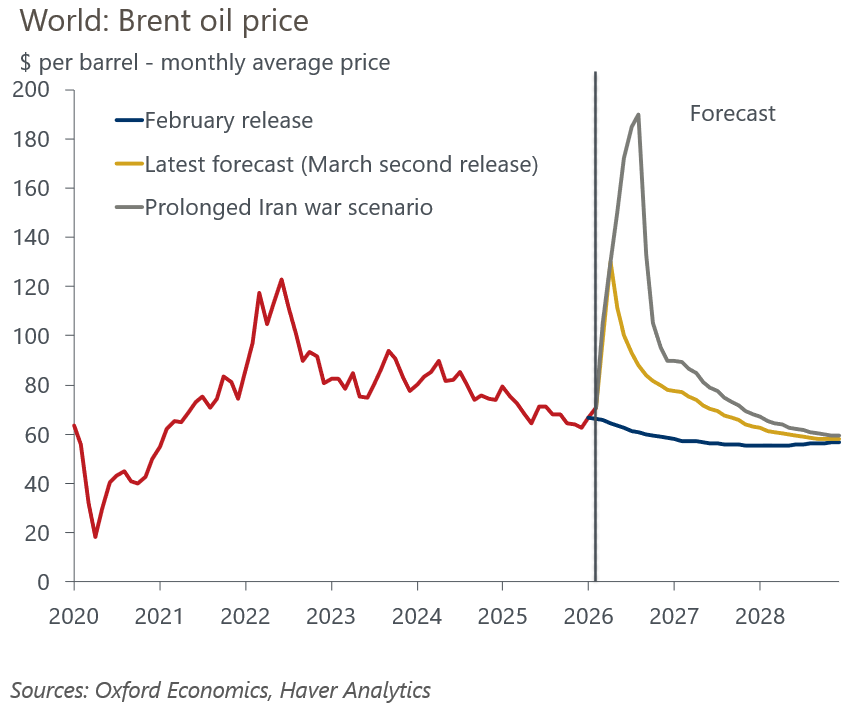
While the bombs may be falling in the Middle East, the shockwaves are destroying financial stability worldwide. Any comprehensive iran war update must address the severe economic fallout that has affected virtually every industry on the planet.
Skyrocketing Oil Prices and the Energy Crisis
When the Strait of Hormuz was blocked, the world lost access to nearly 30% of its seaborne traded oil overnight. The result was catastrophic for energy markets. Crude oil prices shattered previous records, leading to a massive spike in gasoline and diesel prices globally. European and Asian nations, heavily reliant on Middle Eastern energy imports, have faced severe fuel shortages, forcing some governments to implement emergency energy rationing.
Global Supply Chain Disruptions
Beyond the energy sector, the blockade forced major shipping conglomerates to reroute their entire fleets. Ships traveling between Asia and Europe were forced to take the long, perilous journey around the Cape of Good Hope. This added weeks to transit times and caused freight insurance premiums to skyrocket. From technology manufacturers awaiting microchips to retail brands waiting on raw materials, the global supply chain has been stretched to its absolute breaking point.
Bloomberg Trade Tracker Signals More Volatile Times Ahead
The Future Outlook: Will the Ceasefire Hold?
As the world breathes a collective sigh of relief, the harsh reality is that two weeks is a very short amount of time in the world of international diplomacy.
Iran’s Stance: “Hands Still on the Trigger”
Despite agreeing to the Islamabad Accords, Iran’s Supreme National Security Council has issued a stern public warning. They have made it abundantly clear that this ceasefire does not mean surrender. Iranian military commanders have openly stated that their “hands are still on the trigger.” They have presented a complex 10-point proposal ahead of the April 11 talks, demanding the international acceptance of their nuclear enrichment programs a condition that the US and Israel have historically vehemently opposed.
Upcoming Negotiations and Global Expectations
The upcoming talks in Islamabad will be heavily scrutinized. If an extended peace treaty is not drafted within this 14-day window, military experts warn that the resumption of hostilities will be far more destructive than the initial phases of the war. Cyber warfare, proxy group uprisings, and the use of more advanced weaponry are all highly likely if negotiations fail.
Conclusion
The coming days will dictate the course of global history. This latest iran war update brings a much-needed pause to the destruction, but the underlying geopolitical fractures remain entirely unresolved. The Islamabad Accords have provided a narrow window for diplomacy to triumph over warfare. However, with steep demands from all sides and decades of deep-rooted animosity, achieving a permanent peace deal will require unprecedented compromise.
The global community now watches Islamabad closely. The reopening of the Strait of Hormuz has temporarily saved the global economy from total collapse, but until a lasting treaty is signed, the world remains on a knife’s edge.
About the Author