
UK aid cuts ‘reduce bilateral support to some African countries by 90%’
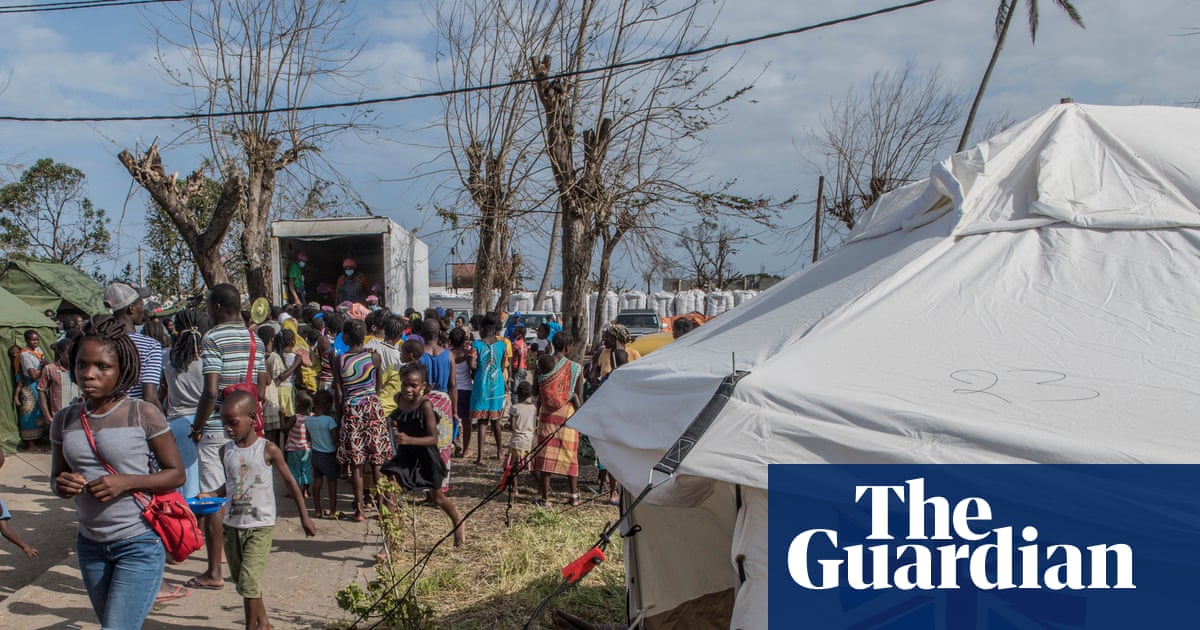
A recent, stark revelation from Foreign Office figures has sent shockwaves through the international development community: significant UK aid cuts are set to decimate bilateral support to several African nations. The reductions, which in some cases will reach a staggering 90%, have ignited fierce debate about Britain’s role on the global stage and its commitment to tackling poverty and instability.
Labour’s government, under immense fiscal pressure, has implemented deep reductions to its overseas aid budget, redirecting funds towards bolstering defence spending. This controversial pivot, announced last year, even prompted the resignation of then-development minister Anneliese Dodds, underscoring the gravity of the policy shift.
The Devastating Impact of UK Aid Cuts
Analysis by Bond, the influential umbrella organization representing numerous development charities, paints a grim picture. By 2029, countries like Mozambique and Malawi face a monumental 90% cut in UK bilateral support. Rwanda and Sierra Leone will see an 80% reduction, while Somalia’s aid is slated to drop by 49%.
Romilly Greenhill, Bond’s chief executive, expressed profound concern about the scale of these UK aid cuts. “By slashing UK aid funding to countries like Ethiopia, Malawi, Mozambique, Rwanda, Sierra Leone, and Uganda, this Labour government is abandoning communities on the frontlines of conflict and the climate crisis,” she stated, warning of the perilous risk of plunging these populations into deeper poverty and widespread instability.
The government justifies its approach by arguing for a strategic re-focus, shifting emphasis towards multilateral donors such as the World Bank. They contend this ensures a more efficient deployment of straitened resources, a pragmatic choice given the current UK aid cuts. Foreign Secretary Yvette Cooper, in a parliamentary statement this past March, elaborated: “In a range of countries, we will transition away from spending high levels of grant ODA [overseas development assistance], but our ambition and effort will remain high – delivering through modernised partnerships, and making the most of what the UK has to offer.”
However, charities argue forcefully that the sheer scale of direct support reduction will inevitably jeopardize vital grassroots projects, leaving vulnerable communities in the lurch. Lisa Wise, director of global outcomes at Save the Children, echoed this sentiment. “Today’s international budget allocations reflect what we already know – reductions in public investment in countries and children that need it most,” she remarked. “These choices send a global message about the role the UK wants to play on the international stage.”
The future direction of Labour’s development policy now hinges on incoming Prime Minister Andy Burnham’s choice for foreign secretary, with current energy secretary Ed Miliband considered a strong contender for the crucial role. Many MPs are urging Burnham to champion a return to the long-standing target of allocating 0.7% of national income to overseas aid, seeking to restore Britain’s leadership in global development.
As the UK prepares to chair the G20 next year – a pivotal coordinating body encompassing global economic powerhouses – Greenhill has implored the new Prime Minister and Foreign Secretary to seize this platform. The opportunity, she suggests, is ripe to champion global reforms essential for addressing pervasive poverty and stark inequality among the world’s most marginalized communities. Meanwhile, development minister Jenny Chapman insists that the UK is not retreating. “The world has changed,” she stated. “Crises in one part of the world now affect us all. We’re making every pound of UK development spending work harder, for people facing the toughest crises and for taxpayers at home.” For more detailed financial insights, consult the Foreign Office’s latest report on aid allocations.