
Oil prices hit $100 for the first time since May
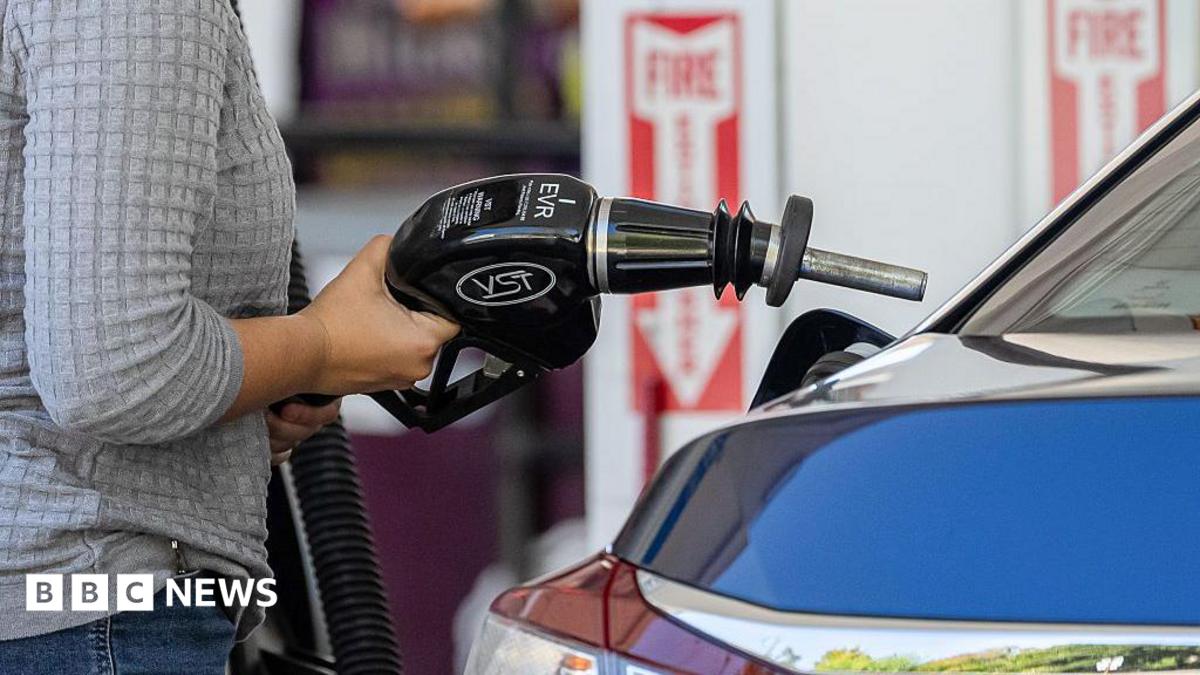
Global oil prices have, for the first time since May, shattered the $100-a-barrel mark, a dramatic surge igniting renewed anxieties over the stability of worldwide energy supplies. This alarming development directly correlates with the brutal intensification of conflict across the Middle East.
Brent crude, the international benchmark, rocketed by over 6% just last Thursday, capping several days of relentless ascent. The trigger? Elevated US military actions against Iran, coupled with audacious attacks on Red Sea oil tankers by Yemen’s Houthi militia. Such assaults gravely imperil a crucial export conduit that Saudi Arabia leverages to circumvent the Strait of Hormuz.
The turbulence isn’t confined to crude alone; gas prices too have crept upwards. The UK benchmark currently hovers around 150p per therm, a significant jump from June’s 98p.
Optimism had briefly flickered as oil prices retreated following a temporary ceasefire between the US and Iran, returning to pre-February levels. Alas, that fragile truce has crumbled. US Secretary of State Marco Rubio starkly declared this week that Iranian leadership remains “not ready to make a deal,” casting a long shadow over future negotiations.
The Ripple Effect of Rising Oil Prices
The specter of prolonged conflict now threatens to reignite inflationary pressures across major economies, notably the UK and the US. Consumers, brace yourselves: higher crude means pricier petrol and diesel at the pumps. Yet, the impact cascades far beyond direct fuel costs. Businesses, facing steeper transportation expenses, are compelled to pass these on, potentially inflating prices for essentials from groceries to everyday goods.
While inflation had recently softened – dipping to 2.6% in the UK by June (aided by easing fuel prices) and 3.5% in the US – this progress now hangs precariously. New data from Thursday reveals UK petrol prices have already climbed 5p a litre since July, averaging nearly £1.56, with diesel hitting £1.72. Across the Atlantic, American gasoline prices have again breached $4 a gallon.
Jonathan Raymond, an investment manager at Quilter Cheviot, painted a grim picture: “More expensive fuel and energy can ripple through the wider economy, increasing costs for businesses and ultimately feeding through into the price of food and other goods.” He warned this presents “another headache for central banks” battling inflation.
Elevated energy costs could force policymakers to maintain — or even hike — interest rates for longer, a dire prospect for mortgage holders and borrowers already grappling with financial strain. For a deeper understanding of monetary policy, explore the publications by the International Monetary Fund.
The Bank of England has held its rates at 3.75% for four consecutive meetings, with economists like Paul Dales of Capital Economics anticipating a similar hold. However, future rate cuts hinge critically on easing energy prices. In the US, newly-appointed Federal Reserve Chair Kevin Warsh minced no words, telling Congress he has “no tolerance to persistently elevated inflation,” despite past pressures from President Donald Trump for rate cuts. Warsh, in his inaugural meeting, committed to “restoring price stability” amidst the current global challenges. The persistent volatility of oil prices remains a central concern for financial stability worldwide.