
Life without refrigerators: Gaza residents fight heat and food spoilage
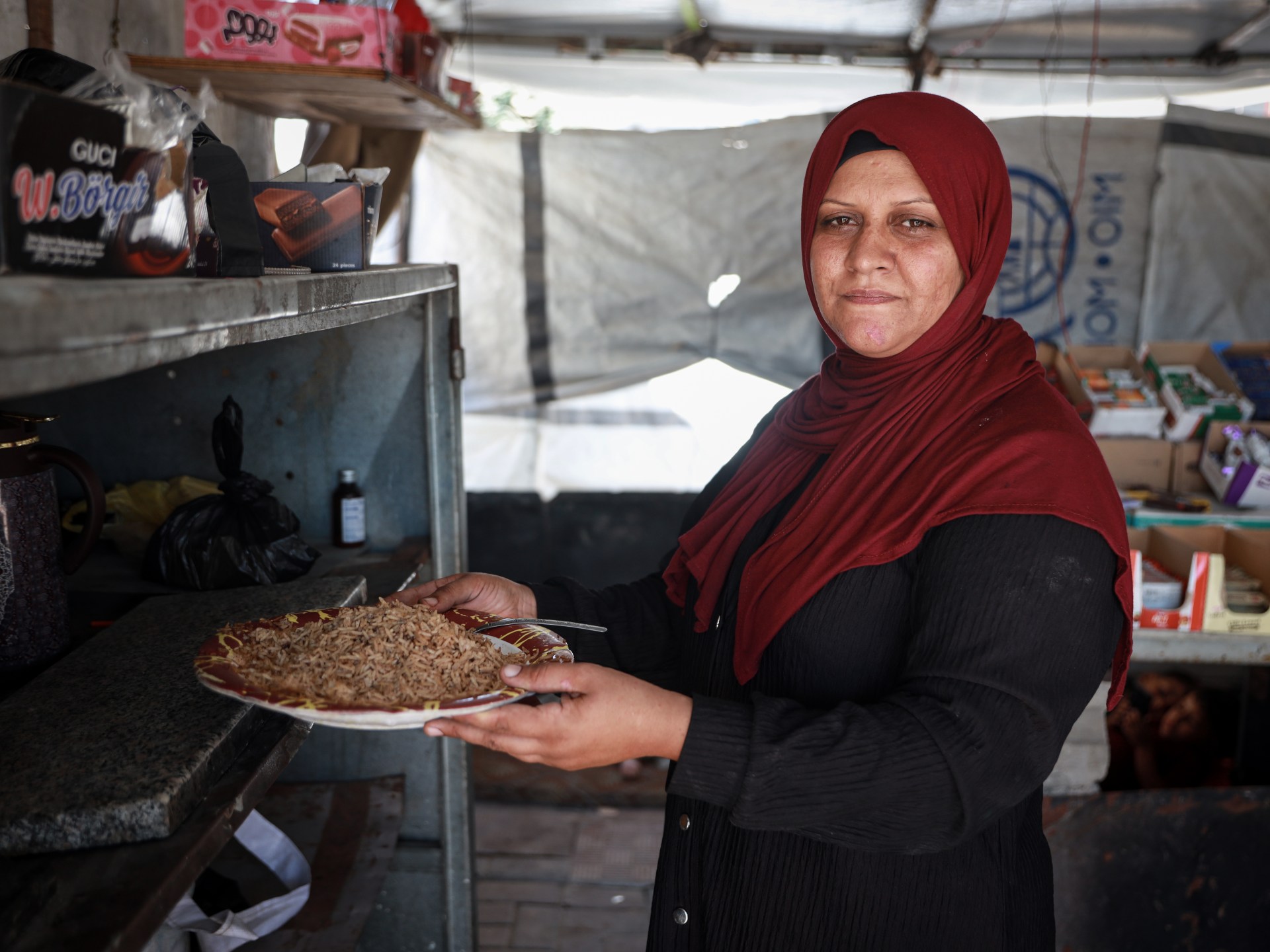
The relentless summer heat of Gaza brings an unbearable burden beyond discomfort for its residents: a profound Gaza refrigeration crisis. Families, already displaced and struggling for survival, now face the daily agony of watching precious food spoil, vital medicines degrade, and the simple comfort of cold water become an elusive dream. Prolonged electricity shortages have rendered once-essential appliances useless, turning a basic necessity into an unimaginable luxury.
The Dire Reality of Gaza Refrigeration
Inside her makeshift tent, Malak al-Zaanin, a mother of four, grapples with a heart-wrenching dilemma. A recent community kitchen donation, a tray of rice, provides a meal for her family. But what about the leftovers? Before the conflict, her refrigerator, now a silent, empty husk, would have preserved them for days. Today, she places the rice on metal shelves, knowing full well it will succumb to the scorching temperatures. “The children will be hungry again soon,” she laments, her voice heavy with resignation. “By then, it will probably have spoiled because we don’t have a refrigerator, and the tent feels like an oven.” This stark reality forces families like Malak’s to consume all food immediately or face immediate waste, exacerbating an already dire food crisis.
UN agencies have repeatedly warned that the combination of extreme heat, incessant power cuts, and the pervasive lack of proper cooling infrastructure across Gaza dramatically escalates the risk of food spoilage and waterborne diseases. This is particularly perilous for the millions living in overcrowded, unsanitary displacement camps. Fuel, the lifeblood of any modern infrastructure, remains critically scarce. The United Nations Office for the Coordination of Humanitarian Affairs (OCHA) estimates that diesel supplies entering Gaza fall drastically short of the amounts required for even minimal life-saving operations, perpetuating the energy crisis that underpins the lack of Gaza refrigeration.
Beyond food, the absence of cooling solutions jeopardizes health. Manal Hamad, 43, suffers from diabetes, high blood pressure, and heart disease. Her life-saving medications demand constant refrigeration, a cruel impossibility in her current circumstances. A glass of cold water, a simple pleasure for many, is a profound fantasy for her. “When I drink the hot water from the tank, it feels like my heart is boiling,” she shares, describing the immediate drop in her blood pressure. Sometimes, she pays strangers with working refrigerators to store her medicine or a morsel of food, but even these costly, fleeting solutions often fail.
Nidal Rafeeh, a 40-year-old from Gaza City’s Zeitoun neighborhood, has repurposed his inert refrigerator into a makeshift cupboard for canned goods and personal items. “Things that were once necessities have become things we pay extra for,” he observes, highlighting how basic services like charging a phone or simply chilling food now incur exorbitant costs. The ongoing siege has ignited massive inflation, transforming small expenditures into significant burdens. To circumvent food waste, Nidal and his wife now cook only single meals, a stark testament to the lengths families go to survive.
Amid this pervasive despair, a grim entrepreneurial spirit has emerged. Mohammed al-Zaanin, displaced from Beit Hanoon, has transformed a small freezer into his only source of income near a central Gaza makeshift camp. He now operates a wartime survival business, charging phones and selling chilled beverages. His diesel generator, essential for powering the freezer and charging station, incurs staggering costs—around 1,500 shekels ($488) monthly for the freezer alone, with electricity bills skyrocketing. Yet, despite these steep prices, demand for his services is relentless. People queue daily, yearning for a chilled bottle of water or a cool spot for a single mango. “It broke my heart,” Mohammed recounts of a deaf man pleading to cool a single mango. “Nobody would have imagined coming to someone else just to charge a phone or chill a bottle of water. Today, these have become luxuries.” This desperate scramble for basic cooling underscores the harrowing impact of the Gaza refrigeration void on daily life. For more information on humanitarian efforts in the region, visit the United Nations Office for the Coordination of Humanitarian Affairs.