
Rohingya activist says it’s unfair to send refugees back to Myanmar
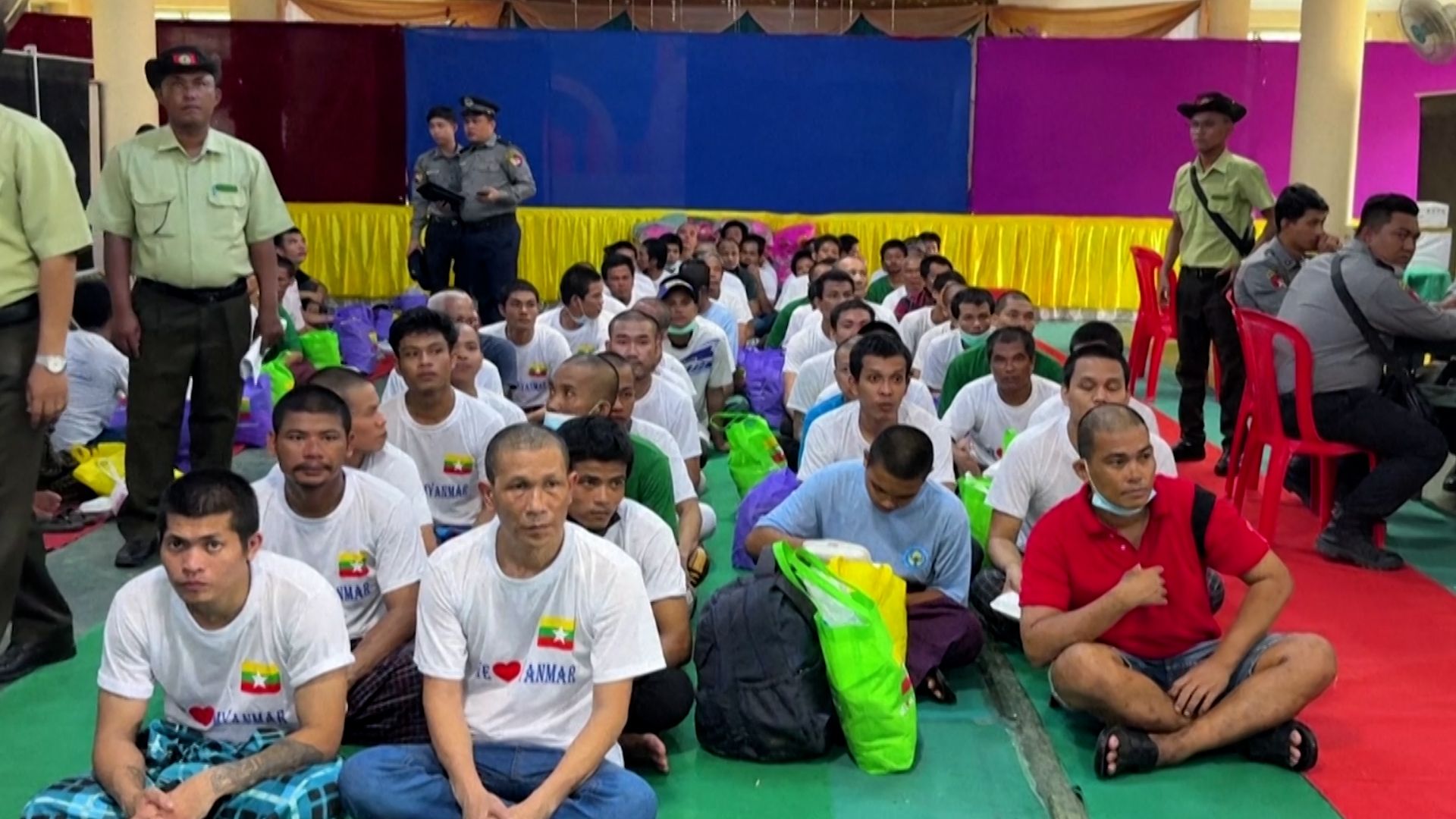
The ongoing humanitarian crisis surrounding the displacement of marginalized populations has reached a critical boiling point. As thousands of people find themselves caught in the machinery of international border policies, the plight of the Rohingya has once again taken center stage. A prominent activist has recently spoken out, highlighting that the Rohingya refugees currently being repatriated to Myanmar face a future defined by uncertainty and potential violence. This situation serves as a grim reminder of the fragility of human rights in the face of rigid political agendas.
The Growing Plight of Rohingya Refugees
In a move that has drawn widespread condemnation from various human rights organizations, Malaysia has initiated a large scale repatriation effort aimed at returning approximately 5,000 migrants to their country of origin. Recent data indicates that nearly 1,500 of these individuals have already been transferred back to Myanmar. For many, this return is not a homecoming, but a return to the very conditions they once fled to survive. Nur Sadek, a vocal advocate for the community, has publicly criticized the move as deeply unfair, noting the extreme dangers awaiting those who return to areas where their safety remains unverified.
International observers and the United Nations have frequently warned that the geopolitical climate in Myanmar remains perilous. The lack of guarantees regarding security, legal protection, and access to basic human necessities has prompted global outcry. While Malaysia maintains that these policies are part of its broader immigration framework, activists argue that the administrative convenience of repatriation should never supersede the moral obligation to protect vulnerable life. You can read more about the broader context of these recent migration patterns on our site.
The Stance of International Monitors
The United Nations has been particularly vocal regarding the safety concerns inherent in these forced returns. Officials argue that international law requires a certain standard of safety to be met before repatriation can occur. When individuals are sent back to regions marked by systemic instability, the risk of human rights violations rises exponentially. This is not the first time international policy has been at odds with humanitarian needs. For example, similar tensions between security concerns and individual liberties are often observed in conflicts elsewhere, such as in instances where global communities voice frustration over legal and security failings. Such incidents reflect a recurring theme where the vulnerable are caught in the crossfire of bureaucratic decisions.
As the repatriation process continues, the voices of the victims remain the most critical piece of the narrative. It is vital to understand that the movement of these populations is not a simple logistical adjustment but a profound disruption of lives that have already been shattered by conflict. The international community, through various watchdog groups, is now tasked with monitoring the fate of those who have already arrived in Myanmar to ensure that no further harm befalls them.
For those watching this developing situation, the urgency cannot be overstated. The lack of a clear, safe path forward for these individuals suggests that the diplomatic efforts in the region are currently insufficient. Without a fundamental change in policy or a renewed commitment to protection, the cycle of displacement will likely continue, creating further instability in a region already struggling to manage the consequences of long term conflict. The world continues to wait for a solution that prioritizes the dignity and lives of the individuals involved above the pressures of migration management and state sovereignty.
Journalistic accountability requires that we examine the official assessments provided by international observers, as their reports are often the only way to track the conditions on the ground. As this situation develops, it remains to be seen whether international pressure will influence Malaysia to reconsider the speed and nature of its repatriation efforts, or if these migrants will remain trapped in a precarious limbo.