
Tigray rebel groups ‘forcibly recruiting boys as young as 15’ as fighting spreads
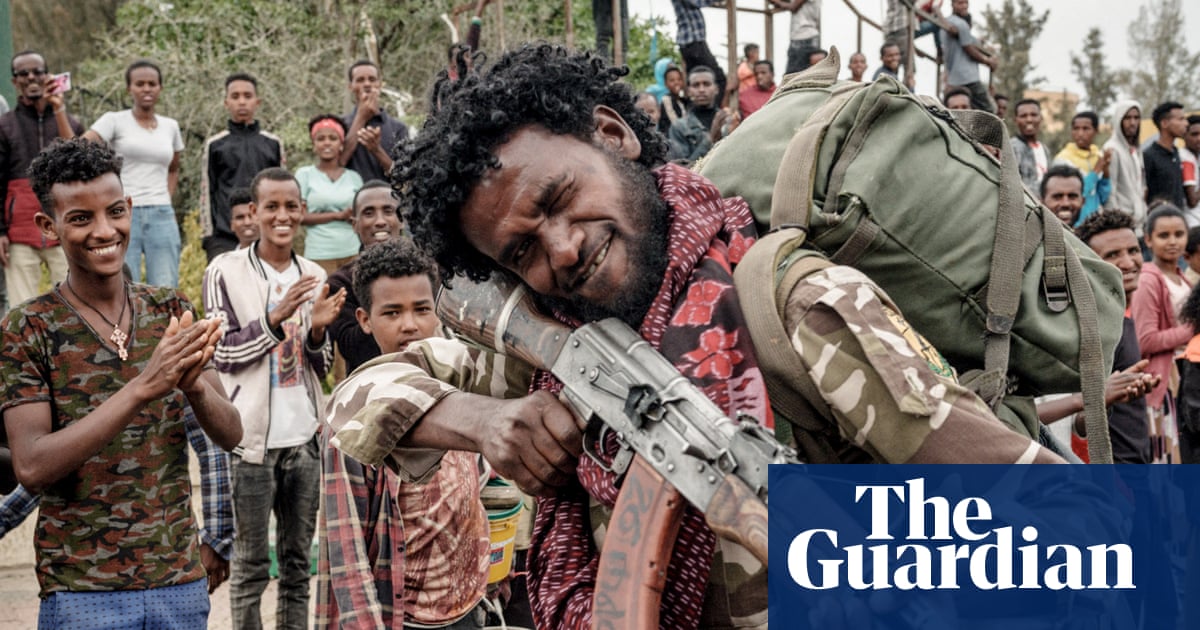
A harrowing humanitarian emergency is once again unfolding in the northern reaches of Ethiopia, where the fragile peace that once held the nation together has completely dissolved. As fresh violence erupts, the local population finds itself trapped in an impossible situation. The most alarming reports indicate that a newly formed alliance of armed groups in the Tigray region is engaging in the systemic, forced recruitment of men and teenage boys, pulling them into a conflict that threatens to claim countless more lives.
This resurgence of violence, which ignited on September 23, effectively nullified the Pretoria peace agreement signed back in November 2022. The agreement was meant to act as a permanent ceasefire, yet the reality on the ground tells a much darker story. Tensions had been simmering for months between the federal government and the Tigray People’s Liberation Front (TPLF), eventually boiling over into kinetic warfare. While the TPLF claims their tactical aggression is a necessary response to federal drone strikes, the cost of this tactical posturing is being paid by the region’s most vulnerable civilians.
The Growing Crisis of Forced Recruitment
In various districts, witnesses have reported a aggressive campaign of forced recruitment in Tigray, specifically targeting individuals aged 15 to 65. The accounts are chilling. Families are terrified to let their children step outside their homes, fearing they will be swept up by roving patrols. Local residents have described a atmosphere of absolute terror as armed groups round up even the youngest of the population, often at gunpoint, regardless of medical condition or physical capacity.
For those interested in the broader context of political stability, international military alignments remain a volatile variable in regional conflicts. In Ethiopia, the landscape has shifted drastically as former enemies find themselves on the same side. The Eritrean Defence Forces and various Amhara militias, who were once the primary adversaries of the TPLF during the 2020-22 conflict, have now switched their strategic alliances. This strange unification of past foes has only served to further complicate the humanitarian disaster.
One resident, Gezu (a pseudonym), who narrowly survived the previous war, expressed his utter despair. He stated that he would rather face death than be compelled to return to the frontlines. However, for many, the choice is not their own to make. Financial bribery has become the only way for the wealthy to secure the safety of their sons, leaving the impoverished to suffer the consequences of this brutal conscription.
Economic Siege and Communication Blackouts
Beyond the physical threat of being drafted into combat, the region is currently facing an economic blockade. The federal government has frozen bank accounts, and when services did resume, they were capped at a meager daily withdrawal limit of 2,000 birr. This cap is insufficient to cope with the skyrocketing costs of food and medicine. For more information on the impact of regional instability, you can read about how personal disputes often mirror larger institutional conflicts.
The isolation of the region is further exacerbated by intentional communication blackouts. Orders from the TPLF have intermittently severed internet and phone access, leaving thousands of families in total darkness regarding the welfare of their loved ones. This blackout, combined with the suspension of flights from Mekelle, has transformed Tigray into a vast, embattled prison.
History provides a sobering backdrop to these events. Estimates suggest that between 300,000 and 800,000 civilians perished during the primary years of the conflict. Reports from the United Nations have repeatedly highlighted that both federal forces and their counterparts have committed acts that may qualify as war crimes. As the world watches, the primary victims remain the civilians, who are caught between federal airstrikes and the desperate, coercive tactics of local militias. With no clear end in sight, the international community faces the daunting task of addressing this renewed cycle of violence before the human toll climbs even higher.