
ISIL-linked detainees report night raids, extortion, violence at Roj camp
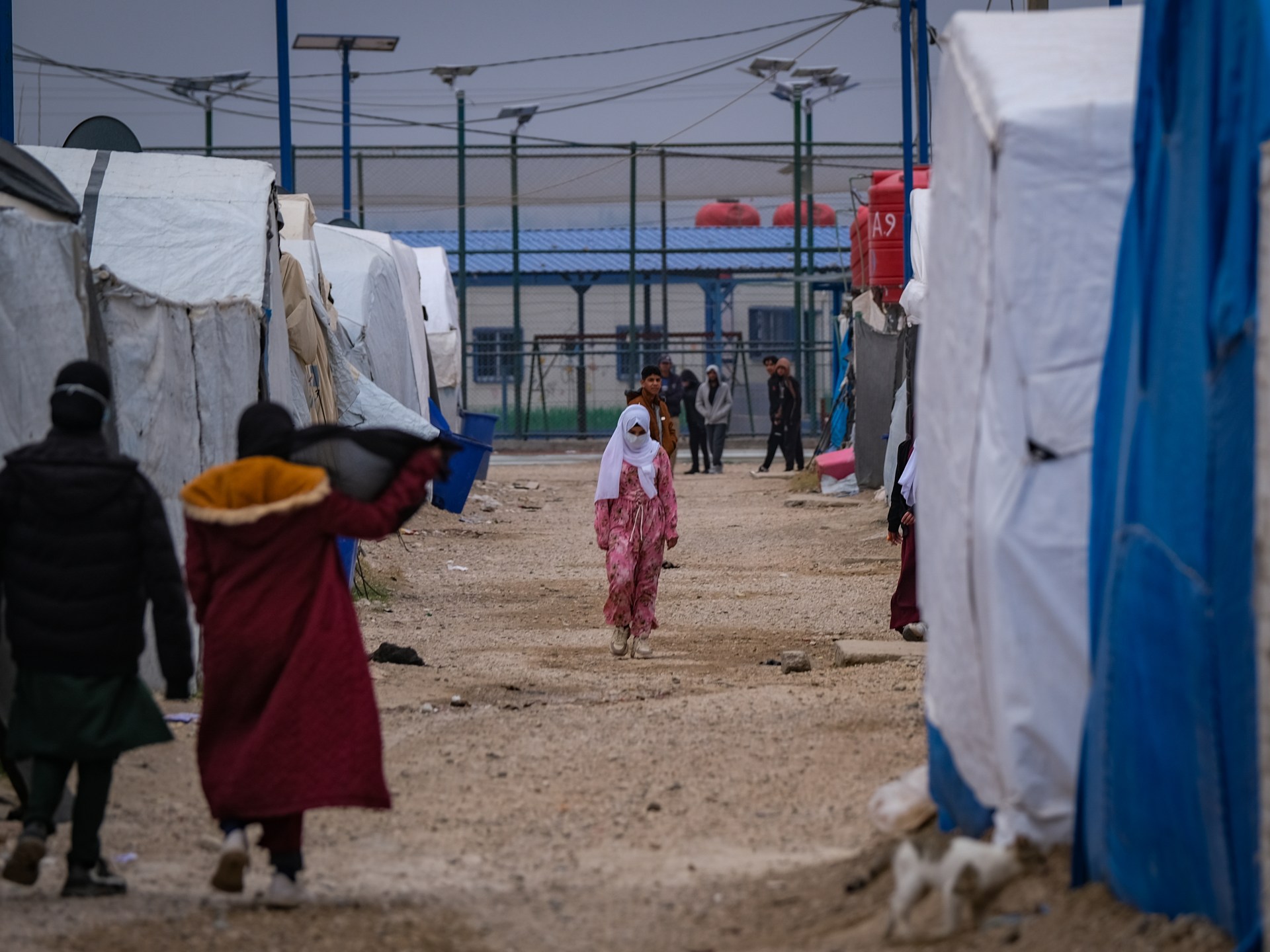
In the desolate, wind-swept plains of northeastern Syria, over 2,300 women and children remain locked in a perpetual state of uncertainty. This is Roj camp, a site that has become a flashpoint for international human rights debates and a symbol of the unresolved legacy of the global conflict against ISIL. For years, these detainees—many of whom are held solely due to their family associations—have lived behind barbed wire, their lives dictated by guards and the constant, chilling fear of violence.
As conditions in the camp reach a breaking point, residents are increasingly speaking out about a harrowing reality. Reports from inside the facility describe a disturbing pattern of night raids, systemic extortion, and physical abuse. One mother, who spoke under a pseudonym, recounted how her family must lie flat on the ground when the gunfire begins, as their fragile tents offer little protection against stray bullets. The humanitarian crisis is so dire that even the United Nations has flagged it as a severe breach of international law, labeling the site the world’s largest center for the arbitrary detention of civilians on security grounds.
The Escalating Instability in Roj Camp
The geopolitical landscape surrounding these detainees has shifted dramatically. Following the dissolution of the Kurdish-led Syrian Democratic Forces (SDF) and their integration into the Syrian national army, the administrative oversight of the camp has transitioned to the central government in Damascus. Yet, for those trapped inside, this change has yielded nothing but confusion and heightened tensions. Detainees report that the guards are largely the same, and the security environment remains fractured and hostile.
The lack of a legal framework for these detainees is arguably the most significant failure. Unlike prisoners of war or those facing criminal charges, these individuals have been given no legal path forward. As noted in official human rights documentation, the absence of individual judicial review for thousands of children is a violation of basic human rights. The situation echoes other regional tragedies, such as the tragic loss of life in Nigeria due to hazardous conditions, where systemic negligence leads to avoidable suffering.
Beyond the immediate physical violence, there is a psychological toll on the children who have known nothing but the confinement of the camp. Experts, including former UN rapporteurs, have argued that the current state of Roj camp effectively meets the threshold for torture. While some boys are forcibly removed from their mothers at the age of twelve or thirteen to be moved to so-called “rehabilitation” centers—some of which have been linked to adult prisons in Iraq—their mothers remain in limbo.
The international community’s response has been described by critics as an abdication of responsibility. While the Syrian government faces the gargantuan task of post-conflict reconstruction, foreign nations whose citizens are among the detainees have largely remained inactive. These governments often demand that families contact embassies that are effectively unreachable from within the guarded perimeter of the camp. This global crisis of displaced populations highlights a profound failure of diplomatic duty.
Ultimately, the detainees are asking for a resolution that moves beyond the status quo. For many, even the prospect of facing legal proceedings in their home countries is preferable to the lawless violence they currently endure. As the regional power dynamics continue to flux, the world’s silence on this issue remains a damning testament to the abandonment of human rights in the face of political inconvenience.