
Fourth Marineland whale dies after relocation, third at Shedd Aquarium in Chicago
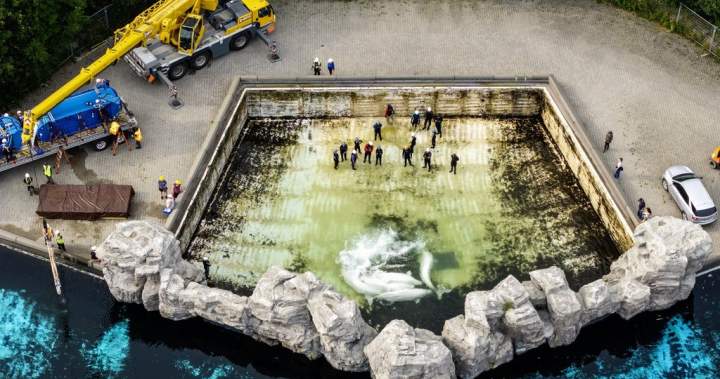
Tragedy has struck once again within the marine park community. A fourth whale, part of the massive relocation project following the closure of the infamous Marineland facility in Niagara Falls, Ontario, has passed away. The 26-year-old beluga, named Osiris, died Monday morning at the Shedd Aquarium in Chicago, marking yet another somber chapter in an increasingly controversial transfer of captive marine mammals.
The death of Osiris follows a pattern of declining health that has plagued several animals since they were moved in July. As part of a complex, multinational effort, 30 belugas and four dolphins were distributed among five aquariums in the United States and Spain. The original goal of this relocation was to provide these animals with improved care after Marineland claimed it could no longer sustain the costs of their upkeep. However, the outcomes have proven to be devastatingly unpredictable.
The Growing Crisis After Whale Relocation
According to official statements from the Shedd Aquarium, the care team had been closely monitoring Osiris, who had struggled with inconsistent eating habits. Despite receiving specialized fluid therapy and medical intervention, her respiratory patterns shifted suddenly. The team attempted to move her to a medical habitat for intensive life-saving care, but her condition deteriorated rapidly. The aquarium has promised a full necropsy to determine the underlying cause of death, joining a series of ongoing investigations into the recent fatalities of other animals moved during the same transition period.
The stakes of this operation remain incredibly high. Previously, two other former Marineland residents, Rain and Peekachu, perished within weeks of their arrival in Chicago. Additionally, another whale named Jelly Bean died at the Oceanografic facility in Spain. The consistency of these health failures has cast a long shadow over the logistics of moving captive marine life. Experts have long debated the ethics and physical toll of long-distance transport for these sensitive creatures. You can learn more about the broader context of beluga whale biology and behavior to understand why such transitions are physiologically taxing.
Beyond the immediate medical crises, the situation raises difficult questions about the future of captive animals in North America. The federal legislative landscape in Canada, specifically the 2019 law banning whale and dolphin captivity, fundamentally altered the operations at facilities like Marineland. While the park blamed these regulations for its financial decline and inability to manage its population, media and public scrutiny continue to highlight the systemic failures that led to this mass relocation in the first place.
As the international community watches these aquariums closely, the health of other survivors remains a top concern. Shedd Aquarium recently reported that another whale, Secord, is experiencing significant issues with feeding, further fueling fears that the trauma of the relocation may be more severe than originally anticipated by the veterinary teams who cleared the animals for travel.
The closure of Marineland and the dispersal of its animals were meant to be a step toward a safer existence for the remaining pod. Yet, as the death toll climbs, many are left wondering if these animals were ever truly prepared for the stress of such a move. For now, the focus remains on the surviving whales and the desperate search for answers as to why this ambitious rescue mission has turned into a series of heartbreaking losses.