
In Senegal, a mother’s ordeal exposes a health system under strain
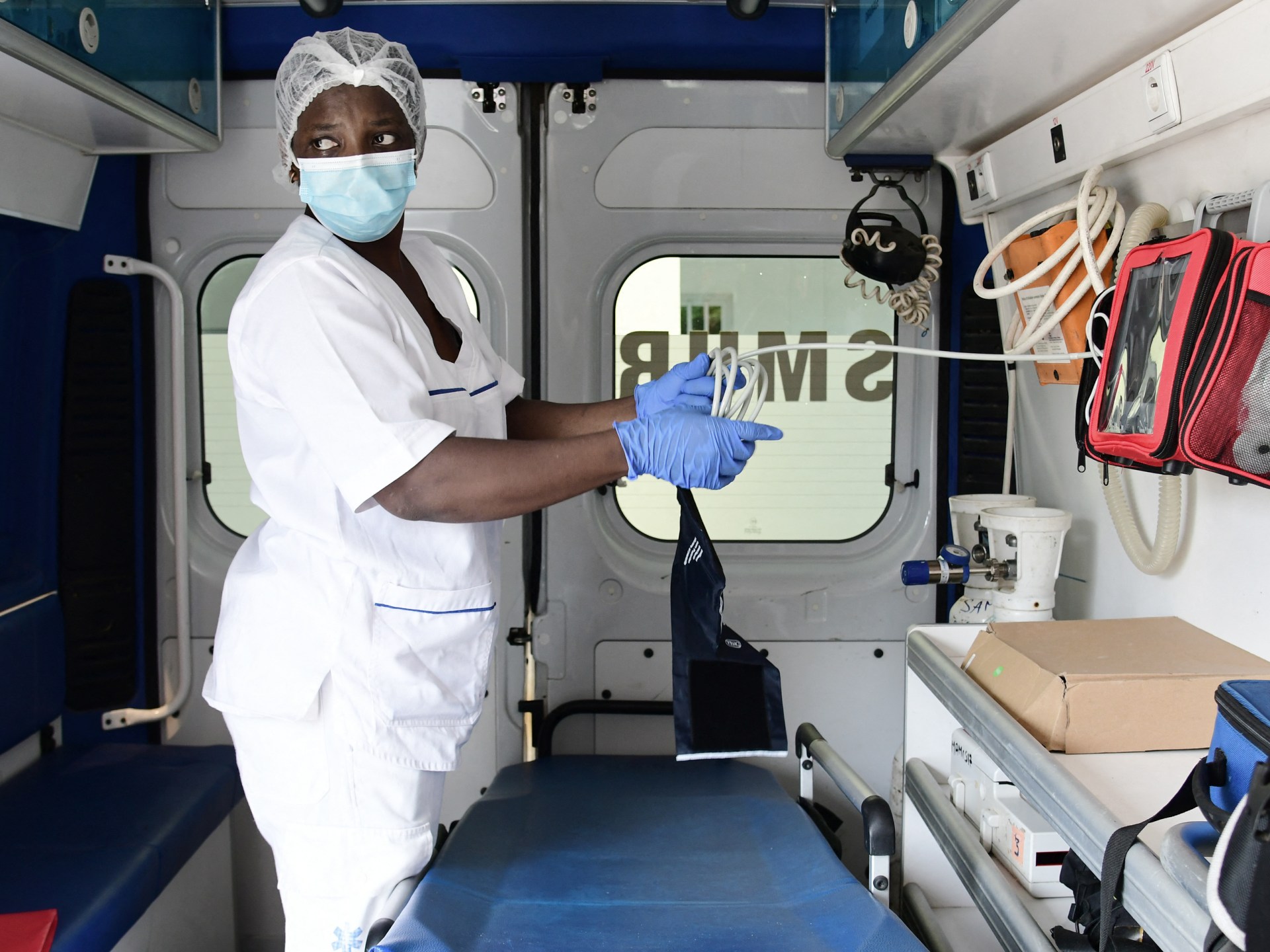
In the heart of Dakar, Senegal, the line between life and death is often dictated by the accessibility of public resources. For Awa Diba, a mother who entered the maternity ward just as healthcare workers across the nation prepared to initiate a massive labor strike, this reality became starkly personal. The crumbling infrastructure of Senegal’s health system is not merely a political statistic; it is a lived, harrowing experience for those who rely on its services during their most vulnerable moments.
As Diba navigated a grueling 24-hour labor, she found herself surrounded by physical decay—cracked ceilings, failing ventilation, and intermittent power supply. The atmosphere was thick with anxiety and the cries of women whose pleas for support were often met with silence. This isn’t just about poor maintenance; it represents a systemic failure that has left citizens and frontline workers alike feeling abandoned by a government caught in a web of economic instability.
Understanding the Strain on Senegal’s Health System
The challenges facing the medical sector are multifaceted. Dr. Marc Manga, an advocate with the SAMES medical union, notes that the problem extends far beyond a simple lack of personnel. “How can we talk about quality of care when hospitals lack basic equipment and patients have to travel hundreds of kilometres to get a diagnosis?” he asks. This geographic and technological disparity means that for many, healthcare in Africa remains an unreachable luxury, with citizens often waiting until an illness has progressed to a terminal stage before seeking aid. The costs associated with consultations and life-saving treatments force families into impossible financial positions, further eroding public trust.
Economic Paradoxes and Debt
Despite Senegal experiencing recent economic growth fueled by oil and gas production, the nation is stifled by a staggering debt burden. Recent government audits have revealed previously undisclosed liabilities, pushing the public-sector debt significantly higher than once reported. This fiscal environment leaves the government with almost no room to maneuver, forcing President Bassirou Diomaye Faye to seek relief through international entities like the International Monetary Fund. President Faye has been vocal on the global stage, labeling current international debt architectures as inherently inequitable, arguing that these structures directly prevent nations from funding essential public services like education and medical care.
Amidst this, the workforce is also in flux. Young professionals like Diba, finding the job market saturated, are turning toward nursing in hopes of stability, only to find themselves working within a system that seems to be in a constant state of pre-collapse. The recent strikes, organized by doctors and medical staff, highlight a deep-seated frustration: workers are waiting for equipment, citizens are waiting for doctors, and the nation is waiting for a financial lifeline that remains elusive.
The story of Diba’s daughter, Myriam, serves as a poignant reminder of what is truly at stake. Born into a period of uncertainty, her entry into the world reflects the resilience of the Senegalese people who continue to endure and adapt. However, as Diba stated, “I don’t want my daughter to experience this.” For the nation to thrive, it must transition from a cycle of waiting to one of structural renewal, ensuring that the health of its citizens is treated as a priority rather than a casualty of economic debt.