
Healthcare in Africa ‘under growing strain’ after US withdrawal from aid programs, report warns
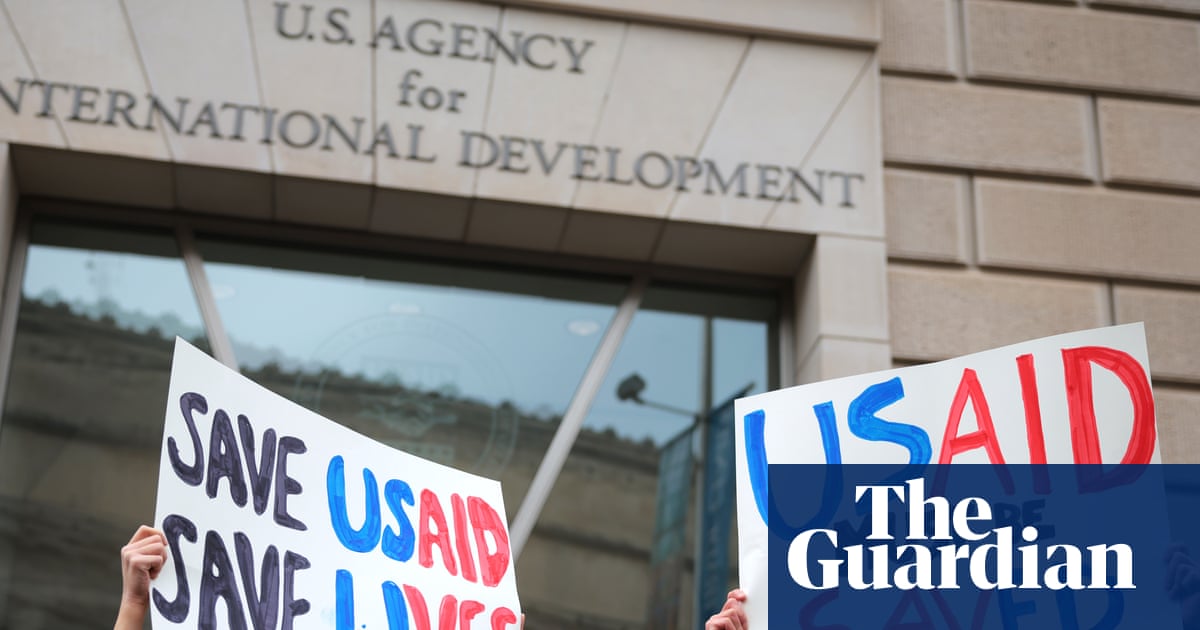
The abrupt withdrawal of United States aid programs has left public health systems across the African continent facing a period of intense volatility. A comprehensive new report suggests that healthcare in Africa is now under significant, escalating strain, forcing nations to grapple with the dual challenges of managing local disease burdens while simultaneously restructuring their national budgets to replace vanished funding streams.
The Impact of Declining Healthcare in Africa
The situation has been characterized by observers as a wake-up call for the Global South. For decades, many nations relied on international aid to bridge gaps in medical infrastructure and disease management. However, the decision to dissolve agencies like the US Agency for International Development (USAID) has caused immediate, ripple-effect consequences. In Nigeria alone, the government was forced to pivot rapidly, absorbing over 28,000 healthcare workers into the national payroll at a staggering cost of $200 million—a fiscal burden that few developing economies can sustain without consequence.
As highlighted in the latest publication from the Accra Reset, an initiative spearheaded by Ghanaian President John Dramani Mahama, the dependency on external financing is increasingly viewed as an unsustainable model. The statistics are stark: while Africa carries approximately 25% of the total global disease burden, it manufactures less than 1% of the world’s vaccine supply. This reliance on imports and foreign-funded medical programs proved fatal when external financing for regional health initiatives contracted by nearly 70% between 2021 and 2025.
The Human Cost and Systemic Disruption
Perhaps the most concerning aspect of this shift is the human toll. The termination of specific funding, such as the US Emergency Plan for AIDS Relief (PEPFAR) in South Africa, has led to widespread clinic closures. The uncertainty facing over 1.4 million individuals currently receiving HIV treatment is a poignant reminder that policy shifts in Washington often have life-altering repercussions thousands of miles away. Similar disruptions in maternal healthcare and malaria treatment in Ghana have further underscored the urgency of the challenges currently plaguing regional stability.
Addressing these issues requires more than just stop-gap measures. The "Sovereign Health Agenda," proposed by the Accra Reset, argues for a fundamental paradigm shift where countries in the Global South set their own medical priorities rather than conforming to the fluctuating interests of traditional donor nations. According to data provided by the Rockefeller Foundation, there is actually a strong public sentiment within the US that favors sustained international cooperation, suggesting a potential disconnect between domestic public opinion and recent government policy.
While the path to medical sovereignty is long and fraught with fiscal hurdles, the current crisis has, if nothing else, accelerated the conversation. Nations are now beginning to explore how they can better leverage internal resources and intra-continental partnerships to secure a more resilient future. The goal is not necessarily to isolate themselves from global assistance, but to ensure that such support functions as a partnership of equals, rather than a fragile lifeline susceptible to political whim.