
Pakistan says it launches air strikes on Afghanistan after drone attacks
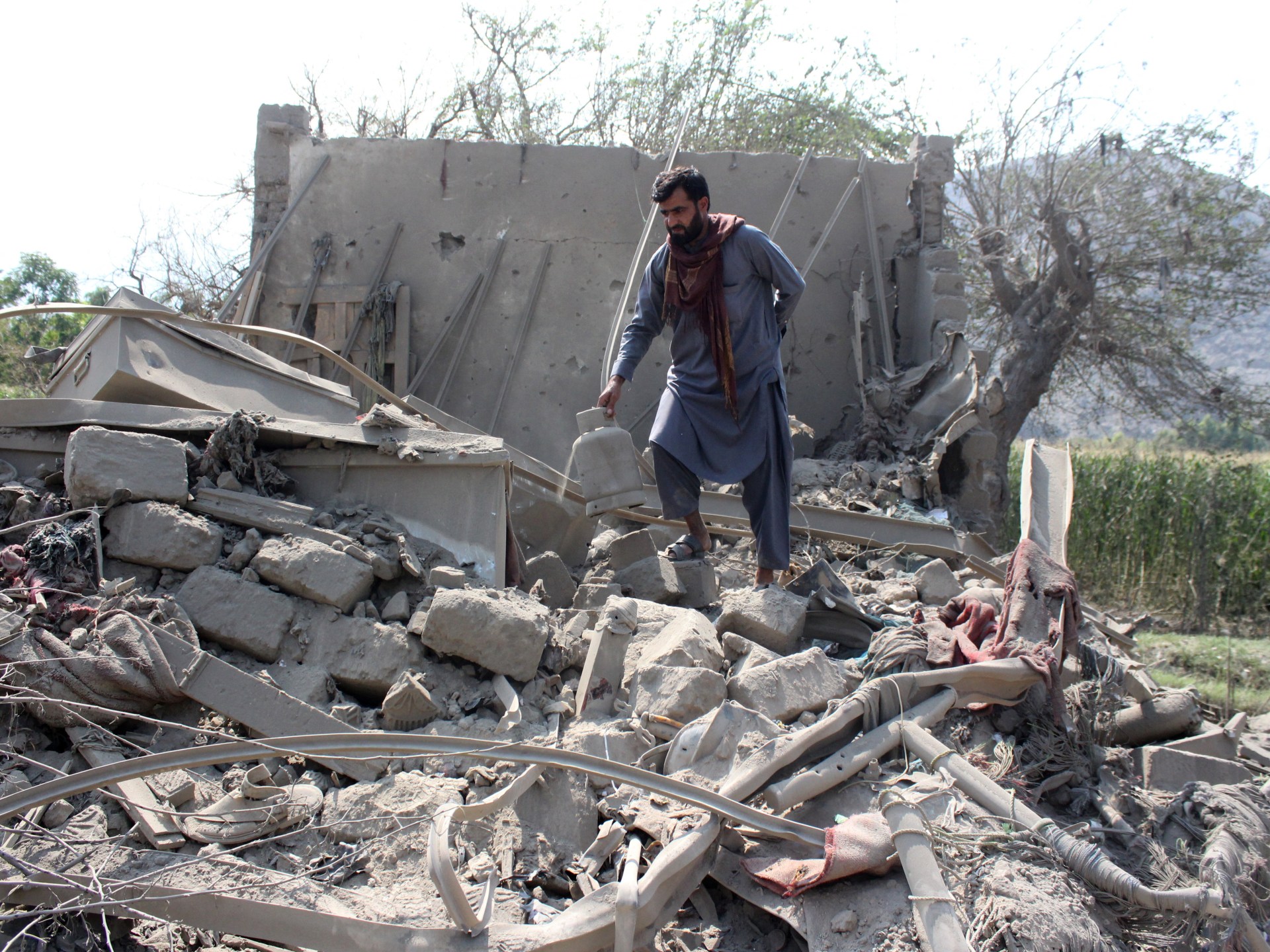
Regional volatility has reached a boiling point as Pakistan-Afghanistan air strikes signal a dramatic breakdown in relations between the two neighbors. Following a series of unauthorized drone incursions, Islamabad launched a coordinated military operation targeting ten specific locations across the southeastern province of Khost, Afghanistan. Pakistani officials maintain that these sites were being utilized as tactical hubs for storing and deploying drones, which they claim have been responsible for recent, lethal cross-border aggression.
The Escalating Conflict of Pakistan-Afghanistan Air Strikes
The latest military maneuvers occur amidst a backdrop of deepening mistrust. Islamabad has long accused the Taliban-led administration in Kabul of providing safe harbor to militant factions orchestrating attacks within Pakistani borders. Conversely, the Afghan government vehemently denies these allegations, frequently characterizing the violence as an internal matter for Pakistan to resolve. This blame game has hindered any meaningful diplomatic progress, creating a security vacuum that risks further destabilization.
Mustaghfir Gurbaz, a spokesperson for the Khost governor, confirmed the recent strikes but noted that there were no reported casualties, offering a slight reprieve in a region otherwise reeling from violence. This incident follows a particularly dark week that saw a devastating attack on a police facility in northwestern Pakistan, which claimed at least 21 lives. This tragedy, for which a Pakistan Taliban faction claimed responsibility, has reignited the fire of cross-border hostilities that had remained relatively subdued for nearly three months.
For those interested in the broader historical context of state-level power struggles, it is useful to compare this to other regional governance challenges, such as the long executive-judiciary battle over who gets to appoint whom, which reflects the recurring struggle for authority and legitimacy. The current global geopolitical environment is increasingly defined by these fractured relationships.
The international community is watching with growing concern. Efforts by China, Turkey, Qatar, and Saudi Arabia to mediate a peaceful resolution are now teetering on the edge of failure. With the Pakistan-Afghanistan air strikes becoming a recurring feature of the regional landscape, the prospects for a lasting ceasefire seem more distant than ever. The situation mirrors the instability seen in fragile governance models elsewhere, where communication breakdowns between leadership and local populations—or neighboring states—frequently lead to escalatory cycles of violence.
As both nations remain locked in this adversarial stance, the primary victims continue to be the civilians caught in the crossfire. With rhetoric hardening on both sides and no clear path to de-escalation, the region braces for what could be an even more volatile winter.