
Rebel offensive against Ethiopian army stokes fears of return to civil war
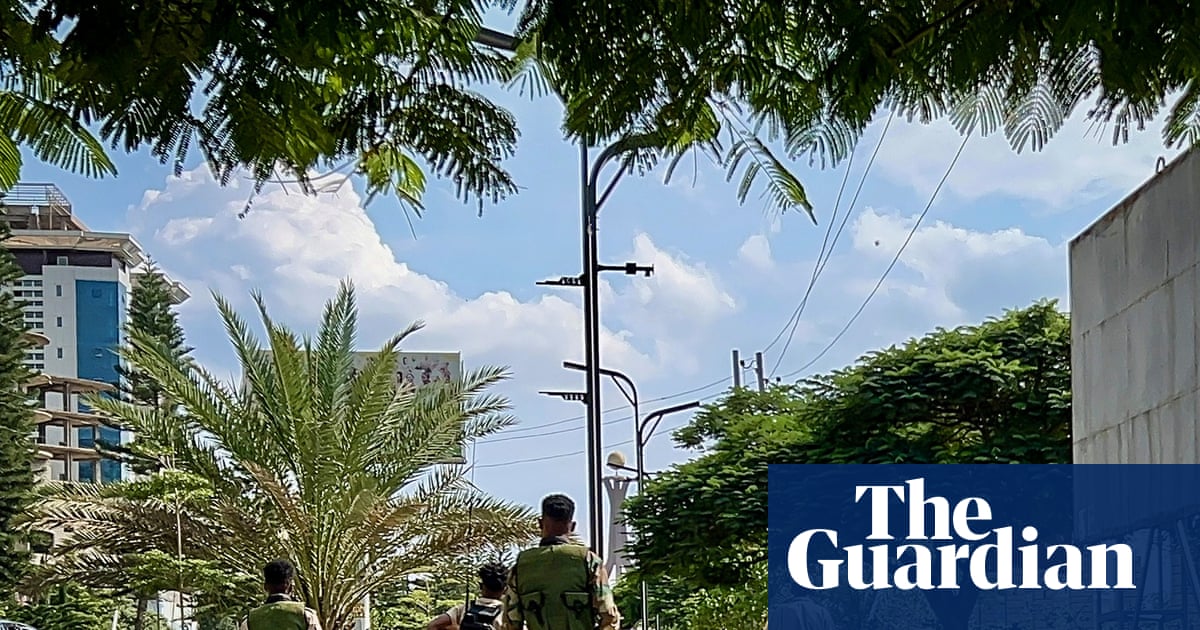
The specter of conflict looms over the Horn of Africa once again. Growing reports of a civil war in Ethiopia have sent shockwaves across the region, as a newly formed rebel coalition launches an aggressive offensive against the government of Prime Minister Abiy Ahmed. This escalation marks a harrowing departure from the fragile stability that followed the 2022 Pretoria agreement, threatening to unravel years of painstaking diplomatic effort.
The situation turned dire over the weekend when seven armed groups, including the Tigray People’s Liberation Front (TPLF), declared the formation of the Ethiopian Peoples’ Forces Alliance for Survival. Their stated objective is the systematic removal of the current leadership in Addis Ababa. By Wednesday, the intensity of the situation spiked further as rebel forces seized control of three key airports, forcing Ethiopian Airlines to suspend all operations to the area. For more context on regional instability, see reports on global climate and security warnings.
The Re-emergence of Civil War in Ethiopia
As fighting spreads into the neighboring states of Afar and Amhara, civilian infrastructure is rapidly deteriorating. In the town of Adigrat, residents are caught in a cycle of panic-buying as market shelves sit empty and medicine becomes dangerously scarce. The memory of the 2020-2022 conflict, which claimed an estimated 600,000 lives, remains fresh for those now facing the possibility of renewed siege conditions. According to official historical records, the nation has struggled with various internal power dynamics for decades, often resulting in devastating humanitarian crises.
Military analysts suggest that the Tigrayan forces have found potential support from neighboring Eritrea, a claim the Ethiopian government has amplified. President Taye Atske-Selassie Amde used the platform of the UN General Assembly to denounce what he termed forces of destruction, warning of foreign interference. Conversely, the TPLF leadership maintains that they are simply responding to a full-blown military mobilization against them. The current geopolitical chess match surrounding the Red Sea only complicates these local tensions further.
The humanitarian impact is already manifesting in severe food shortages and the collapse of transportation corridors. With flights to historic towns like Lalibela grounded, the movement of aid and essential supplies has hit a complete standstill. The international community, including the African Union and the European Union, is pleading for an immediate ceasefire. Yet, as artillery fire continues near the border, the path to a peaceful resolution appears narrower than ever. The international community watches with bated breath, hoping that the horrors witnessed just a few years ago do not repeat themselves in this vulnerable corner of the globe.