
Ethiopia’s new rebel alliance faces an old problem
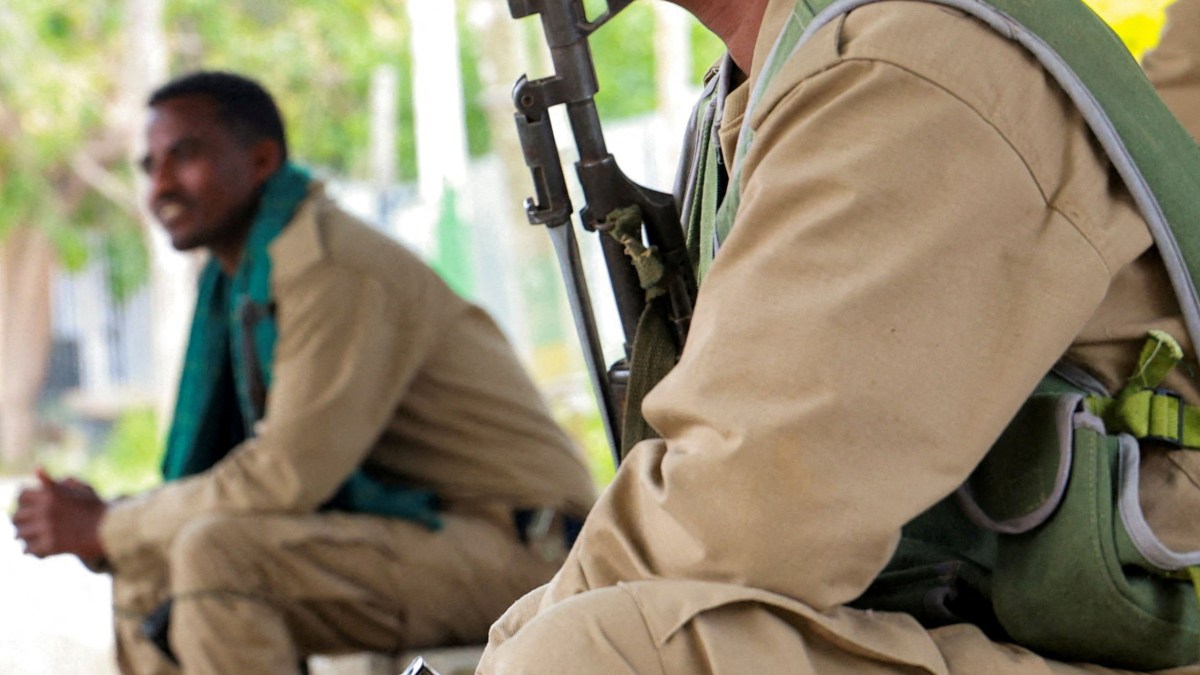
In the complex and often volatile landscape of the Horn of Africa, the emergence of a new armed coalition against the leadership of Prime Minister Abiy Ahmed has once again cast a shadow of uncertainty over the region. The Ethiopia rebel alliance, recently formalized under the banner of the Ethiopian Peoples’ Forces Alliance for Survival, represents a desperate attempt to reshape the nation’s political trajectory through force. However, historical precedents suggest that such unions, built on the shifting sands of convenience, are frequently plagued by internal discord and competing territorial ambitions.
For decades, Ethiopia has struggled with the cycles of violence that erupt when political channels are effectively closed. When the winner takes it all, those who feel sidelined are often forced to take up arms. This persistent struggle for power and territorial control continues to threaten the stability of the nation, as detailed in reports regarding the rebel offensive against Ethiopian army forces. While these groups may agree on removing the current administration, the fundamental disagreements regarding land, regional autonomy, and federal structure remain unresolved.
The Fragility of the Ethiopia Rebel Alliance
The coalition, announced in late September 2026, includes several distinct factions, such as the Tigray People’s Liberation Front (TPLF), the Amhara Fano National Movement, and the Oromo Liberation Army (OLA). Despite the strategic necessity of their unity, the alliance faces deep-seated challenges. For instance, the fierce rivalry between the TPLF and Fano over the territory of Wolgait-Tsegede serves as a glaring example of how historical animosity can easily resurface. If these internal disputes cannot be addressed, the alliance risks collapsing just as previous attempts at unified opposition have.
Furthermore, the logistical and military hurdles are immense. While the presence of external actors, potentially including Eritrea, may provide temporary support, relying on such relationships often creates new complications for international diplomacy. As observers monitor the situation, the impact of these conflicts remains a point of deep concern for global humanitarian organizations, much like the broader context of instability in the region. The use of drones and the necessity of maintaining supply lines across vast distances place significant pressure on the rebel forces, whose primary objective of toppling the government remains elusive without political cohesion.
The Risk of Fragmentation
Historically, coalitions in Ethiopia have proven to be temporary vehicles. In 2021, a similar attempt at forming a united front quickly fractured as individual groups prioritized their specific interests over the collective goal. Today, as the government continues to pursue its developmental agenda while fighting on multiple fronts, the likelihood of a similar outcome remains high. Should any partner feel that their specific territorial demands are being ignored, they may choose to strike separate peace deals, leaving the remaining alliance weakened.
Ultimately, the core issue is not merely the survival of a specific government or the success of an armed movement. It is the welfare of the Ethiopian population, who continue to bear the heaviest burden of these unending power struggles. Whether this latest iteration of resistance leads to a meaningful political transition or simply fuels further cycles of violence remains a critical question. For now, the future of the nation hangs in the balance as disparate factions attempt to reconcile their contradictory visions for Ethiopia’s future.