
‘It’s hard to sell a house when it’s covered in baboon faeces’: Cape Town divided over plan to remove its monkeys
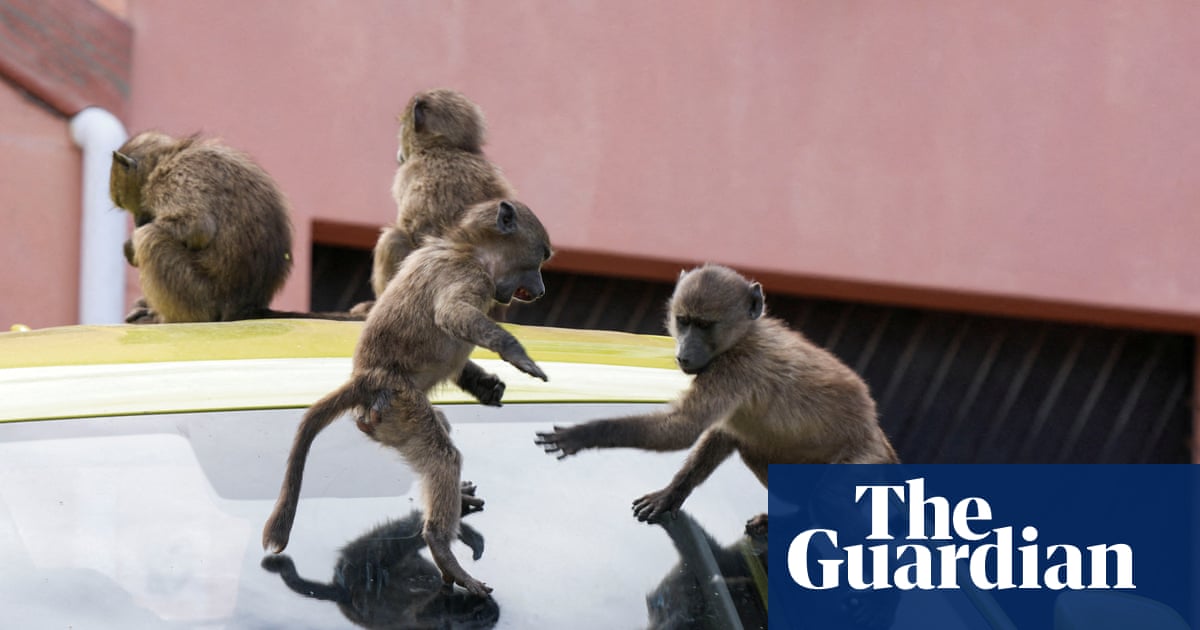
In the scenic heart of the Cape Peninsula, an escalating territorial standoff has left residents and wildlife advocates at a complete impasse. The local Cape Town baboon population, particularly the chacma species, has found itself increasingly entangled in the urban fabric of the city. As human infrastructure continues to expand, these primates are frequently encroaching upon neighborhoods, leading to a heated public debate over the ethics of intervention.
The issue has reached a breaking point, with the city council announcing plans to round up two specific troops, sterilize them, and relocate them to a newly established sanctuary. For many homeowners, this is a necessary step. As behavioral ecologist Justin O’Riain explains, the constant raiding of pantries, damage to roofs, and the mess left on properties have significantly depreciated local real estate. It remains difficult for families to maintain a standard of living when their homes are regularly targeted by foraging troops.
The Complex Dynamics of the Baboon Crisis
The core of this problem lies in the unique geography of the peninsula. Hemmed in between the rugged peaks of Table Mountain and the encroaching ocean, these animals face a shrinking habitat. According to Joselyn Mormile, head of the Cape Baboon Partnership, the natural inclination of these primates is to seek out water sources and high-quality vegetation in low-lying areas—the very same spots where humans have chosen to build. This collision of interests is not merely a logistical nightmare; it is a battle for space.
The financial burden of this coexistence is staggering. The city currently allocates roughly 20 million rand for an 18-month management program. These funds support teams of rangers who patrol neighborhoods to prevent conflicts before they turn into property damage. Even with these measures, the situation remains volatile. Much like the complex geopolitical issues discussed in other recent regional reports, the tension in Cape Town highlights the difficulty of reconciling human development with existing local realities.
To Fence or to Relocate?
Local activists argue that the solution is not the forced removal of these animals. They suggest that the construction of a comprehensive, baboon-proof fence would be a more humane alternative to relocation. However, critics of this approach, including those who have studied the long-term patterns of primate movement, warn that a fence might only serve to shift the problem elsewhere, as the animals will inevitably search for food beyond the barriers.
The welfare of the chacma baboon is also a major concern for scientists and citizens alike. Reports of animals being poisoned, hit by vehicles, or shot by residents feeling desperate about the loss of their property are alarming. As the city continues to navigate this crisis, it must grapple with the fact that these animals are not going anywhere. The question of whether we prioritize the stability of human housing or the natural range of the local fauna remains a significant environmental challenge. Without a long-term, sustainable strategy that accounts for both human and animal needs, the cycle of conflict in the Cape Peninsula is destined to repeat itself, leaving behind a wake of destroyed property and diminished animal health.