
Bengal SIR Row In Supreme Court: ECI Contests TMC Claim That Voter Deletions Changed Poll Results Of 31 Seats
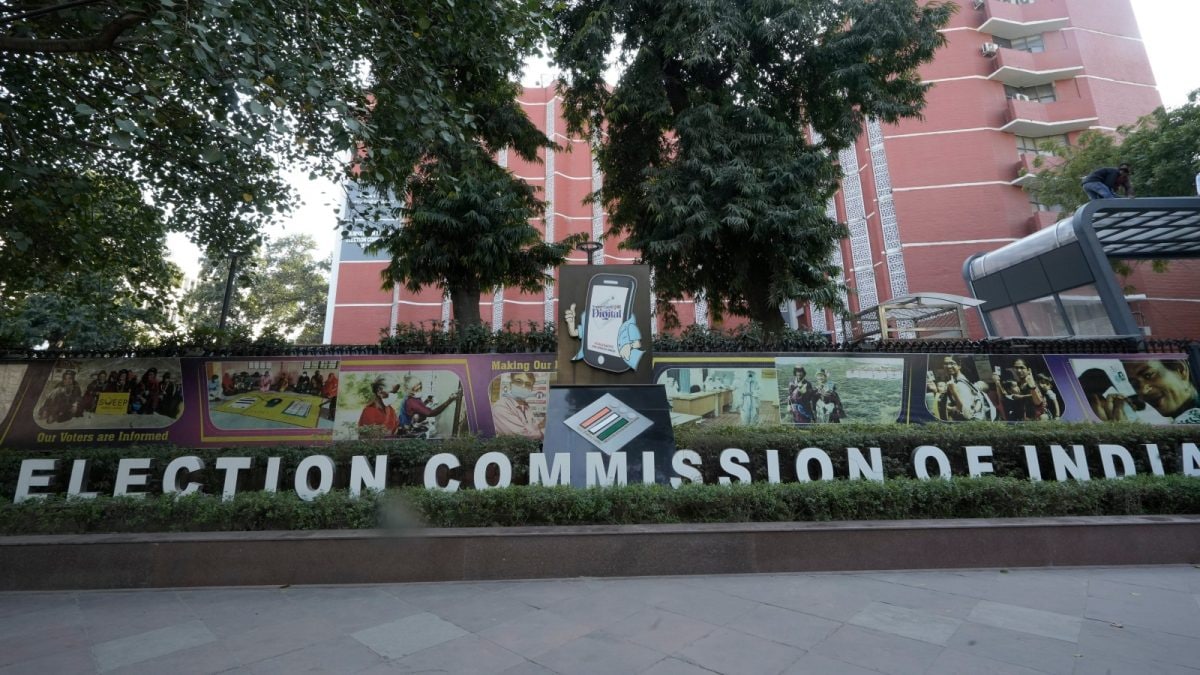
The political landscape in West Bengal remains volatile as the Election Commission of India (ECI) has formally challenged accusations regarding voter deletions. Following claims made by the Trinamool Congress (TMC) that administrative adjustments during the Special Intensive Revision (SIR) of electoral rolls unfairly cost them 31 assembly seats, the constitutional body has pushed back, calling the allegations factually misleading.
Dissecting the Voter Deletions Claim
In a detailed affidavit submitted to the Supreme Court, the ECI clarified that opposition leaders have fundamentally misunderstood the nature of the data. The TMC claims suggested that systematic disenfranchisement was responsible for their defeat in numerous constituencies. However, the commission argues that these figures conflate standard administrative maintenance with judicial determinations. According to the Election Commission of India, routine removals involving shifted, dead, or duplicate voters are part of standard housekeeping. These should not be lumped together with names deleted after formal, independent judicial review.
By separating the datasets, the commission revealed that the actual number of contested deletions is far lower than the margin of victory in those seats. This transparency serves as a direct rebuttal to the narrative of systematic bias. The ECI noted that applying the same margin-versus-deletion test requested by the TMC would ironically invalidate several seats where the party emerged victorious, such as Sitai, Samserganj, and Lalgola.
Legal Framework and Constitutional Standing
The core of the dispute touches upon the constitutional sanctity of election results. Under Article 329(b) of the Constitution, election results cannot be simply set aside based on alleged discrepancies in electoral rolls. The ECI emphasized that the legal system provides a robust mechanism for contesting outcomes: the formal election petition process governed by the Representation of the People Act. Similar to the procedural rigor required in high-stakes governance, as discussed in our piece on the long executive-judiciary battle over appointment laws, the court remains the final arbiter of these disputes.
As the legal battle progresses, the Supreme Court has maintained a firm stance that statutory challenges remain the only appropriate avenue for addressing grievances post-election. While the TMC continues to raise concerns, the ECI has signaled that it will not tolerate the delegitimization of the electoral process based on questionable data modeling. The situation highlights the growing pressure on constitutional bodies to defend their impartiality in an era where digital data and electoral statistics are increasingly used as political weapons. Whether the court will allow for a deeper inquiry into the SIR process or demand that the case proceed through traditional election petitions will likely define the next chapter of this controversy.