
EU unlocks humanitarian aid for Africa and other crisis-hit regions
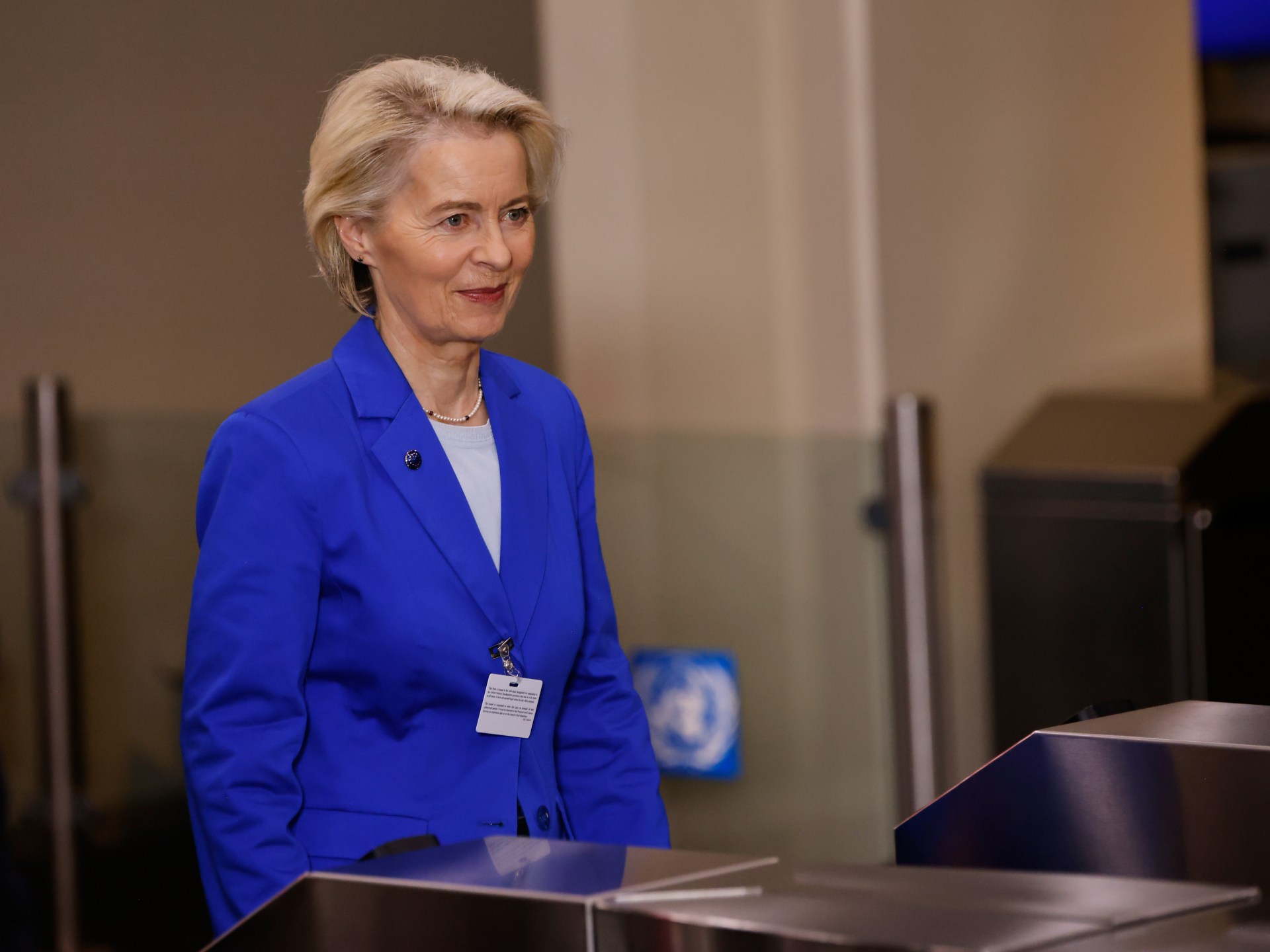
The European Union has officially pledged over 710 million euros ($810 million) in a massive initiative to bolster global humanitarian aid efforts. This substantial package is designed to provide immediate relief to regions devastated by natural disasters, geopolitical conflict, and deep-seated food insecurity. European Commission President Ursula von der Leyen confirmed the move on Saturday, highlighting how volatile global conditions are currently impacting the most vulnerable populations across the globe.
As the international community navigates a period of significant uncertainty, the focus of this EU humanitarian aid remains squarely on sub-Saharan Africa. The continent, which has faced a confluence of climate shocks and socio-political instability, stands to receive the largest share of the funding. The financial commitment aims to stabilize displaced communities and provide resources to the nations that host them, creating a more sustainable framework for those forced from their homes.
Targeting Stability with EU Humanitarian Aid
The commission’s comprehensive strategy breaks down the funding into several critical areas. Specifically, 380 million euros are earmarked for sub-Saharan Africa to manage migration pressures, emphasizing the protection of vulnerable individuals and facilitating safe, voluntary reintegration. Furthermore, 97 million euros will directly address urgent needs stemming from malnutrition and recurring food shortages, which have been exacerbated by changing weather patterns. By investing in these regions, the EU hopes to mitigate the root causes of mass displacement.
Health security also sits at the forefront of this initiative. A dedicated portion of the budget is set aside to contain the ongoing Ebola outbreak in the Democratic Republic of Congo and neighboring territories. Additionally, 10 million euros have been allocated to the Great Lakes region to promote long-term peace-building, a necessity for a zone frequently marred by civil unrest. This is part of a broader, ongoing effort to address humanitarian crisis trends similar to those discussed in recent reports regarding displacement and survival in volatile regions.
Global Reach and Strategic Investment
Beyond the African continent, the EU has not overlooked other flashpoints of conflict. The Palestinian territories and Lebanon have been allocated 103 million euros to support populations living in precarious conditions. Meanwhile, Ukraine, which continues to manage an active conflict on its borders, will receive 52 million euros to assist with emergency preparedness and humanitarian relief. This diverse allocation highlights the EU’s commitment to maintaining a multifaceted foreign policy.
During the 81st session of the United Nations General Assembly, the Commission also unveiled new Global Gateway investments. These programs move beyond traditional aid by encouraging private sector participation. For instance, new guarantees are aimed at mobilizing capital for health and nutrition businesses in Africa, while an EIB loan will expand vaccine production capacity in Colombia. For further insights on how international organizations navigate these complex geopolitical shifts, one can review details on the history of humanitarian aid distribution mechanisms.
As 2026 progresses, the European Commission continues to prioritize these investments as a bulwark against systemic instability. Whether addressing the aftermath of a natural disaster or the complexities of a regional conflict, the focus remains on building resilient societies. This latest injection of capital is expected to reach the ground rapidly, serving as a vital lifeline for millions who currently live without basic security, food, or medical infrastructure.