
‘Zero-Tolerance Against Terrorism’: PM Hails India’s Resolve, Recalls Surgical Strike Against Pakistan
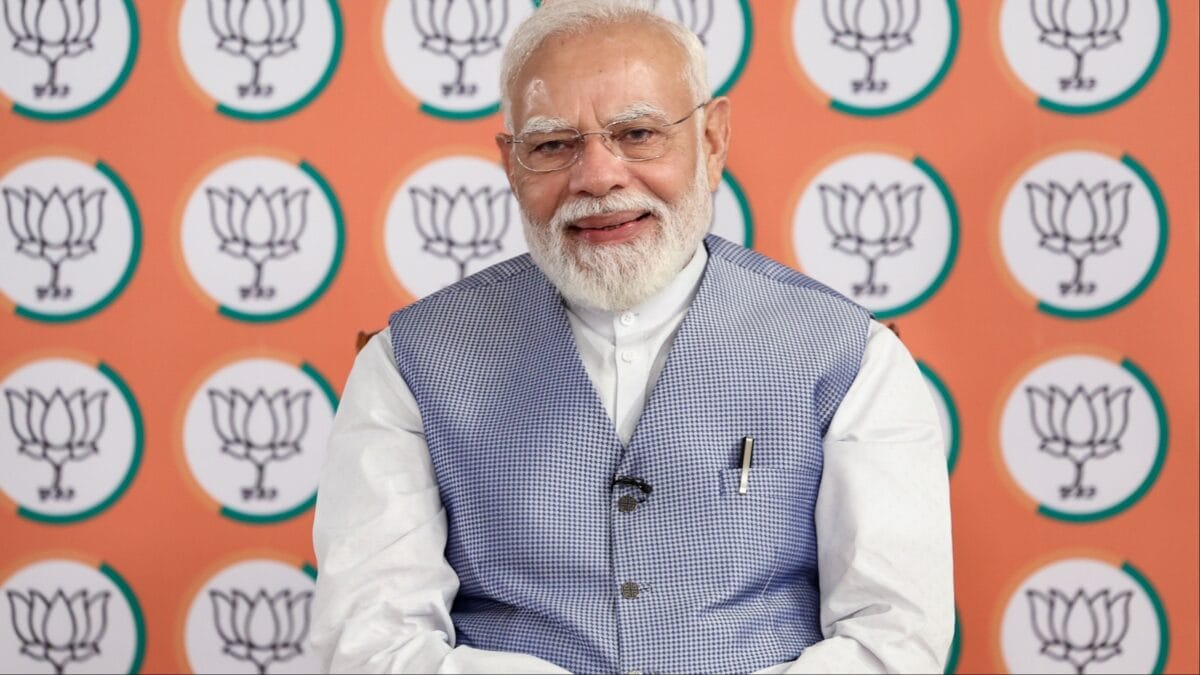
In a powerful address during the 138th episode of his monthly radio broadcast, Mann Ki Baat, Prime Minister Narendra Modi reiterated India’s uncompromising stance on national security. He highlighted that the nation is currently operating under a firm zero-tolerance policy against terrorism, a strategic shift that has fundamentally altered how India engages with regional threats. This renewed commitment to sovereignty comes as the country marks a significant milestone in its military history.
Reflecting on the decade that has passed since the 2016 surgical strike against Pakistan, the Prime Minister described the event as a landmark achievement in India’s defensive strategy. Conducted on September 28-29, 2016, the precision operation targeted terrorist launch pads situated across the Line of Control. This decisive action was a direct response to the tragic terror attack on an Army camp in Uri earlier that same month. The operation sent a clear signal to the world that India possesses the resolve to protect its people, which you can read more about in our recent report on national institutional shifts.
The Evolution of a Zero-Tolerance Policy
PM Modi noted that the global community watched with astonishment when Indian forces demonstrated their capability to cross the Line of Control to neutralize threats. For years, the country had suffered through serial blasts and senseless violence, often waiting for diplomatic channels that yielded little to no result. The Prime Minister contrasted this history with the current state of affairs, where reactive passivity has been replaced by calculated, offensive deterrence.
“There was a time when serial blasts were a common occurrence in Bharat,” the Prime Minister stated. He specifically recalled the trauma of the September 13, 2008, Delhi serial blasts and the devastating Mumbai terror attacks of November 26, 2008. These incidents serve as painful reminders of why the current zero-tolerance policy is non-negotiable for the administration. As India continues to address regional stability, global observers frequently look to resources like the history of counter-terrorism measures to understand the broader context of such conflicts.
Honoring the Past and Strengthening the Future
Beyond the borders of South Asia, the Prime Minister paid homage to the global struggle against extremism. He specifically mentioned the 25th anniversary of the 9/11 attacks in the United States, recalling his own visit to the World Trade Center site in 2014. By bridging these historical moments, Modi emphasized that terrorism is a global affliction requiring steadfast resolve at every level.
As the nation reflects on the 10th anniversary of the surgical strikes, the government is also focused on internal stability. Much like the efforts needed to navigate domestic economic and environmental crises, maintaining peace requires persistent vigilance. The message from the 138th Mann Ki Baat is clear: the era of waiting for others to address security threats is over. Today’s India is defined by its proactive approach, ensuring that the safety of its citizens remains the absolute priority in every diplomatic and military decision. This zero-tolerance policy remains the cornerstone of India’s foreign and defense doctrine moving into the next decade.