
Israeli settlers attack Palestinian farmers during olive harvest
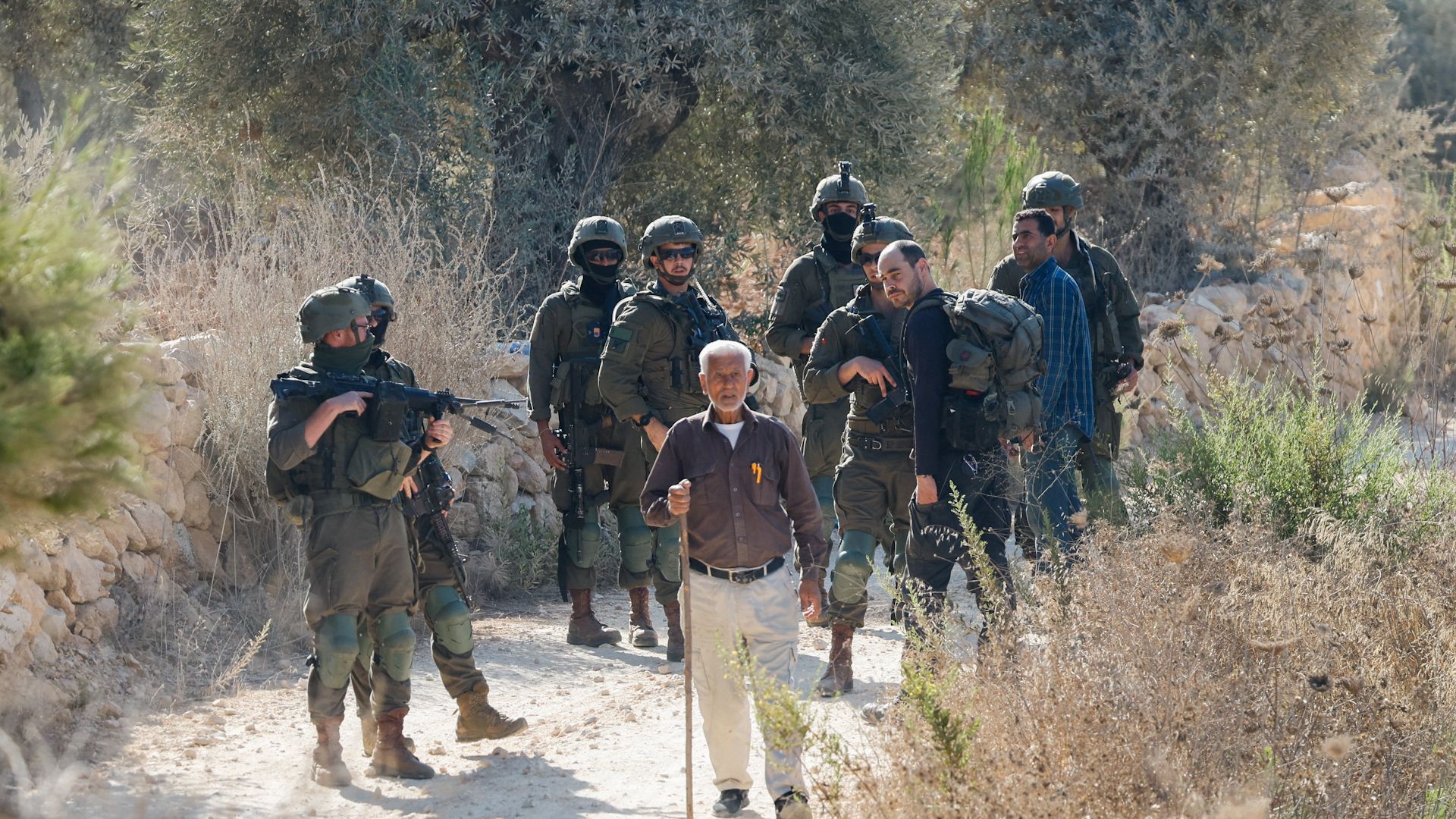
The annual olive harvest, a deeply ingrained cultural and economic pillar for thousands of Palestinian families, has been marred by a surge of violence as farmers attempt to access their ancestral lands. In recent days, reports have emerged detailing how Israeli settlers, often accompanied by soldiers, have actively attacked and blocked local farmers from gathering their crops. This disruption is not merely an isolated incident of unrest but a systematic impediment to the agricultural livelihood of over 80,000 families who rely on the olive harvest as their primary annual source of income.
The Economic and Social Impact of the Olive Harvest Crisis
For generations, the olive tree has represented resilience and heritage in the region. As the season begins, the atmosphere is usually one of communal effort, but this year, fear has overshadowed the fields. When farmers are prevented from reaching their groves, the fruit remains on the trees, leading to significant financial losses and the potential for long-term ecological damage to the orchards themselves. The act of gathering these olives is often a race against time, as the harvest window is delicate and weather-dependent.
International observers and human rights organizations, such as the United Nations, have frequently documented how access to land remains a central issue in the ongoing conflict. The presence of settlers, backed by security forces, creates an environment of intimidation. Many farmers report that they are now forced to navigate a landscape of checkpoints and roadblocks that restrict their movement, effectively turning a time of celebration into one of uncertainty and risk.
Wider Regional Instability and Humanitarian Concerns
The conflict surrounding the rural agricultural sector does not exist in a vacuum. It mirrors the broader, volatile situation in the territory. The disruption of economic activities often exacerbates the existing humanitarian crisis, leading to increased poverty and dependency on aid. This situation remains deeply concerning to the global community, especially given the history of regional tensions.
Similar patterns of instability have been noted elsewhere in the region, such as in instances where Somalia refuses to entertain foreign security presence, reflecting a widespread rejection of external interference in sovereign regional affairs. The current state of the olive harvest reflects how local stability is inextricably linked to the ability of residents to carry out their daily lives without the threat of violence. When farmers cannot tend to their trees, the foundation of their community stability is eroded.
As the season progresses, the international community continues to watch the situation with alarm. There are persistent calls for protecting agricultural workers and ensuring that families can safely access their property. The plight of these farmers serves as a stark reminder that peace is not merely a political construct, but something that must be felt in the safety of one’s own field. Without consistent intervention and the protection of basic human rights, the tradition of the olive harvest remains under constant threat from those who seek to displace the indigenous agricultural workforce.
This ongoing crisis also invites reflection on the role of oversight and the Human Rights Watch reports that frequently highlight the imbalance of power on the ground. As the international media focuses on high-level negotiations, it is the rural families, working under the sun to secure their livelihoods, who bear the immediate, crushing weight of geopolitical conflict.