
AI superpower ambitions take centre stage as Trump and Xi meet
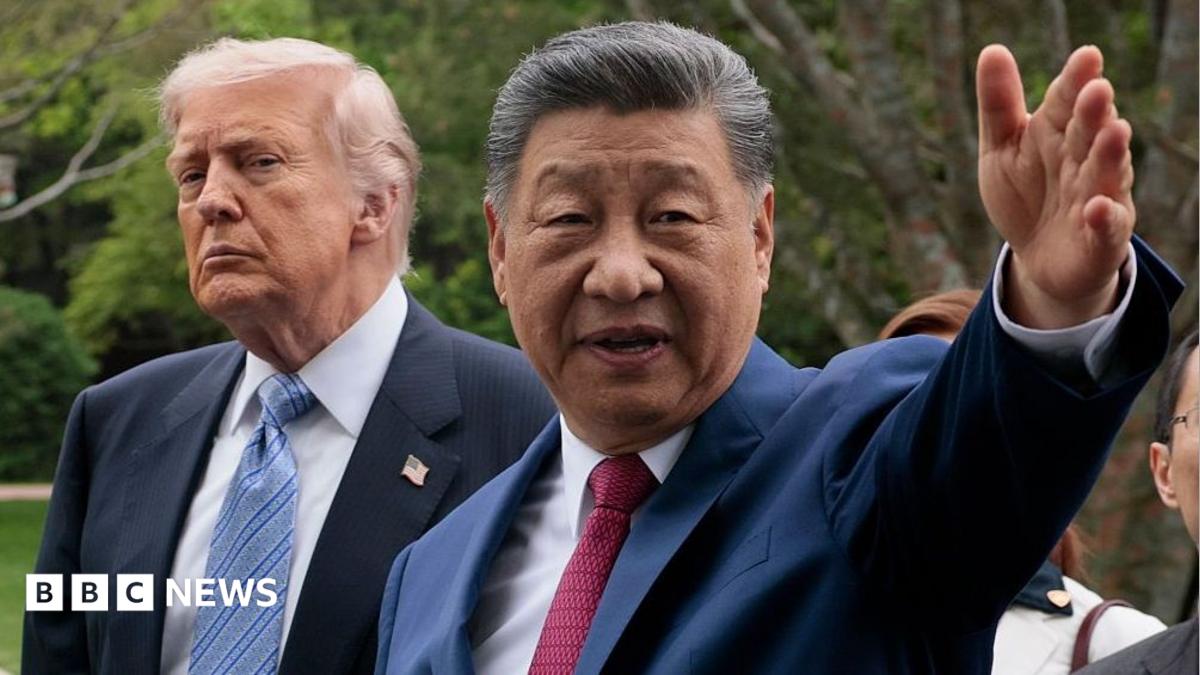
In the high-stakes arena of modern geopolitics, AI superpower status has emerged as the ultimate prize. As President Donald Trump and Chinese leader Xi Jinping prepare for pivotal discussions, the race to dominate artificial intelligence has moved from the shadows of Silicon Valley and Shenzhen directly into the Oval Office. It is a technological arms race that defines the trajectory of the 21st century.
President Trump has framed this competition with characteristic bluntness, asserting that victory in the AI sector is paramount to national security. While Beijing takes a more understated, long-term approach, the underlying sentiment remains consistent: whichever nation masters the algorithms of the future effectively dictates the global power balance. Experts at the Encyclopedia of Technology suggest that this rivalry goes far beyond mere corporate competition, impacting everything from national defense to infrastructure stability.
The Anatomy of the AI Superpower Conflict
Measuring the lead in this AI superpower race is notoriously difficult, as the benchmarks shift almost daily. The United States currently holds a significant advantage in proprietary, frontier models—the high-end systems powering the world’s most advanced applications. Major American firms like OpenAI and Google continue to push the boundaries of what is possible, fueled by unprecedented capital investment and a booming domestic stock market.
Conversely, China has demonstrated a surprising resilience. Despite stringent export controls on advanced microchips—the hardware essential for training massive neural networks—Chinese developers are finding innovative ways to compete. By focusing on “open weight” models and deploying technology rapidly across their vast industrial sectors, they are building an economic ecosystem that prioritizes accessibility and ubiquity. As noted in recent economic insights, the integration of AI into physical infrastructure, particularly in robotics, is where the next phase of this competition will likely be won.
Divergent Paths to AI Safety and Regulation
The philosophical divide between Washington and Beijing regarding the potential risks of AI is stark. President Trump has largely dismissed the necessity of aggressive, restrictive regulation, arguing that excessive oversight would only empower rivals. He maintains that America’s path forward relies on innovation and the inherent advantage of its domestic labs. In contrast, Beijing has adopted a centrally-coordinated approach, prioritizing domestic stability and data governance. While not legally binding, China’s algorithmic guidelines set firm expectations for companies, reflecting a desire to harness the power of AI without losing centralized control.
As these two nations continue their pursuit of the AI superpower title, the world watches with bated breath. The outcome of this rivalry will determine not only which companies achieve dominance but how humanity adapts to a landscape where artificial intelligence serves as the foundational architecture of society. For more updates on global security, you can read about the recent federal investigations into data breaches that underscore the vulnerability of today’s digital giants.