
India-France-UAE AI Partnership: What Does It Mean For Jobs, Startups And Digital Infrastructure?
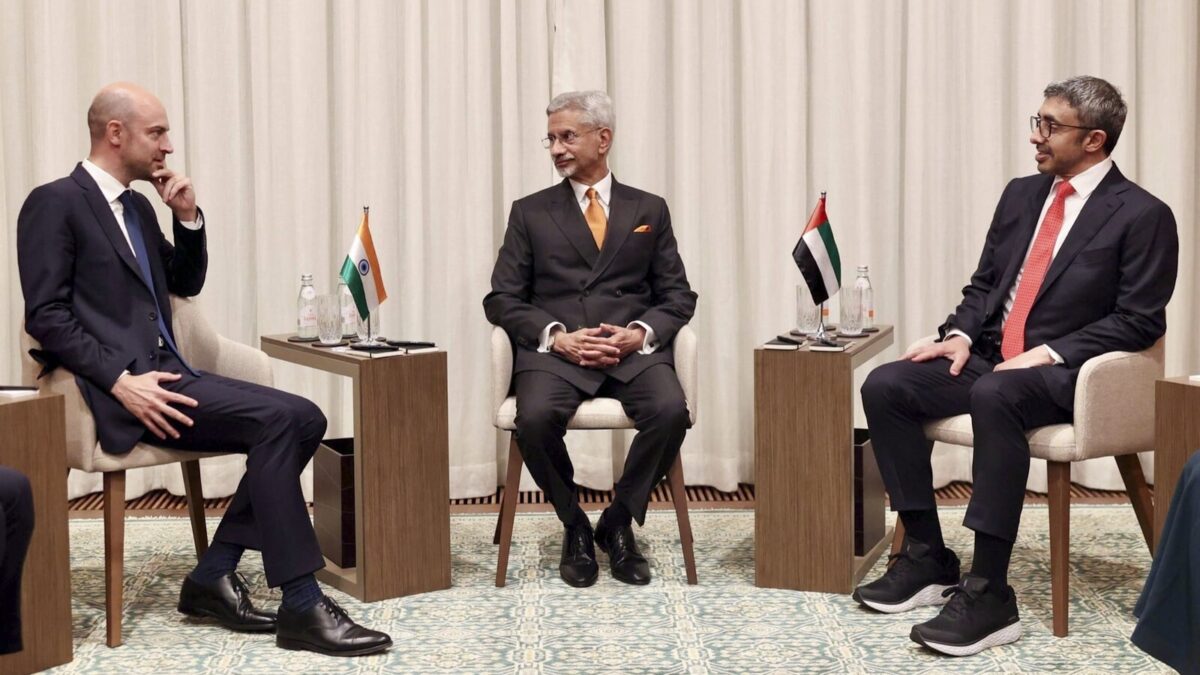
The emerging India-France-UAE AI partnership represents a profound shift in the global technology landscape. Announced on the sidelines of the 81st United Nations General Assembly (UNGA81), this trilateral alliance aims to leverage the distinct yet complementary strengths of three nations: India’s massive talent pool, the UAE’s sovereign capital, and France’s sophisticated research ecosystem. As the world pivots toward a more secure, multi-polar digital future, this collaboration provides a roadmap for nations looking to balance economic growth with ethical technological governance.
The Core of the India-France-UAE AI Partnership
This strategic alignment is far from a mere diplomatic handshake. During their meeting in New York, external affairs ministers reaffirmed a commitment to concrete joint initiatives in artificial intelligence, space exploration, health sciences, and green energy. By pooling resources, the trio is addressing the most pressing challenges in modern computing, including hardware accessibility and the ethical deployment of large language models (LLMs). The partnership serves as a vital case study in technological sovereignty, designed to reduce dependence on external, dominant monopolies.
The economic implications for the workforce are substantial. The initiative is set to transform the regional employment landscape, pivoting away from traditional, low-cost IT outsourcing toward high-value sectors. Industry experts anticipate an accelerated demand for machine learning engineers, data scientists, and specialists in algorithmic transparency and safety.
Revolutionizing Infrastructure and Startups
Startups are arguably the biggest beneficiaries of this new framework. By gaining access to sovereign computing power and shared infrastructure, smaller firms can bypass the prohibitive hardware costs that have historically hampered innovation in the Global South. For instance, the collaboration seeks to implement an 8 Exaflop supercomputing cluster through a partnership between India’s C-DAC and the UAE’s G42. This level of infrastructure is rarely available to startups without significant outside venture capital or tech-giant backing.
Furthermore, the initiative addresses the growing need for green energy to support massive data centers. By combining France’s expertise in sustainable power with India’s expansive solar energy capabilities, the alliance aims to create a blueprint for environmentally responsible digital growth. This aligns with global efforts to reconcile the high energy consumption of artificial intelligence with climate-conscious policy targets.
Finally, the concept of "secure digital embassies"—where public data can be stored safely across national borders without relying on third-party corporations—is a revolutionary approach to data sovereignty. This collaborative development marks a clear move toward a digital ecosystem where nations retain full control over their most sensitive information. As this trilateral partnership evolves, it will likely provide a benchmark for how future diplomatic and technological collaborations can successfully operate on the international stage.