
As Trump mulls diesel export ban, what would it mean for Canada?
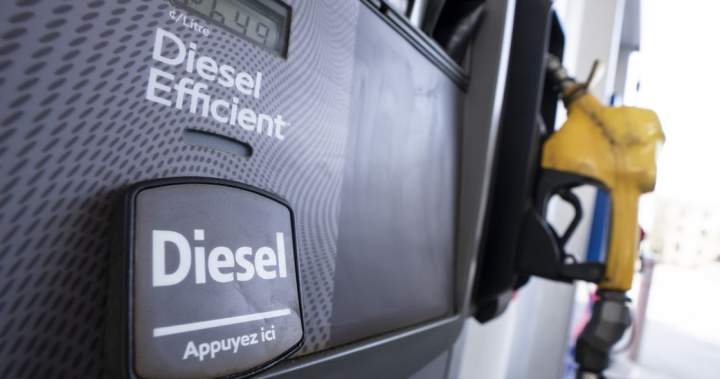
In an attempt to stabilize domestic energy costs ahead of critical midterm elections, U.S. President Donald Trump has signaled support for a potential diesel export ban. The proposal, which suggests a 90-day moratorium on shipments, aims to boost internal supply and provide relief for American consumers currently grappling with record-high fuel prices. However, market experts and industry analysts are sounding the alarm, warning that such a move could trigger a cascade of unintended economic consequences, particularly for neighboring nations like Canada.
The global fuel landscape is currently in a state of extreme volatility. Ongoing geopolitical tensions, including the conflict in Ukraine and the intense U.S.-Iran war, have severely disrupted major shipping lanes, such as the Strait of Hormuz. As global refineries struggle to meet demand, the U.S. has emerged as a crucial exporter, shipping roughly 1.6 million barrels of diesel per day. A sudden withdrawal of this volume from the international market would inevitably leave global buyers scrambling.
The Economic Reality of a Diesel Export Ban
While an American-centric policy might temporarily lower prices within the United States by creating an artificial surplus, the long-term reality is likely to be far more painful. Economists point to the concept of price elasticity; because diesel is the essential lifeblood of global logistics—powering the ships, trains, and trucking fleets that transport our food and consumer goods—its demand remains stubbornly high regardless of price. For more context on how international economic maneuvering affects local infrastructure, see our reporting on the impact of global partnerships on digital and economic growth.
Energy economist Philip Verleger warns that the policy could push global fuel prices up by as much as 100 percent. The market cannot simply absorb the loss of a major supplier without significant repercussions. As refineries face restricted export options, their profit margins could shrink, leading them to reduce production volumes. This reduction would eventually tighten supply chains further, creating a self-defeating loop where both American and foreign consumers end up paying more at the pump.
What It Means for Canadian Consumers
For Canada, the ripple effects of a potential U.S. diesel export ban are complex. On the surface, Canadian petroleum producers might see a temporary windfall. As the global market turns to alternative sources to fill the supply gap left by the U.S., Canada would likely become the primary target for desperate international buyers willing to pay a premium. While this could increase domestic revenue, it simultaneously subjects Canadian consumers to the volatility of global market pricing.
As Richard Masson, former CEO of the Alberta Petroleum Marketing Commission, noted, when global buyers come knocking on Canada’s door offering higher prices, the local cost for fuel is inevitably pulled upward. Consequently, while the domestic industry might gain, the average Canadian is likely to see higher costs for groceries and household goods as the price of transportation fuel reaches new, uncomfortable heights. As these nations navigate the fallout of such trade policies, the global economy continues to watch closely, fearing that a short-term political solution in Washington could create a long-term inflationary nightmare for the rest of the world.