
Venezuelan government, opposition agree to work towards reform of top court
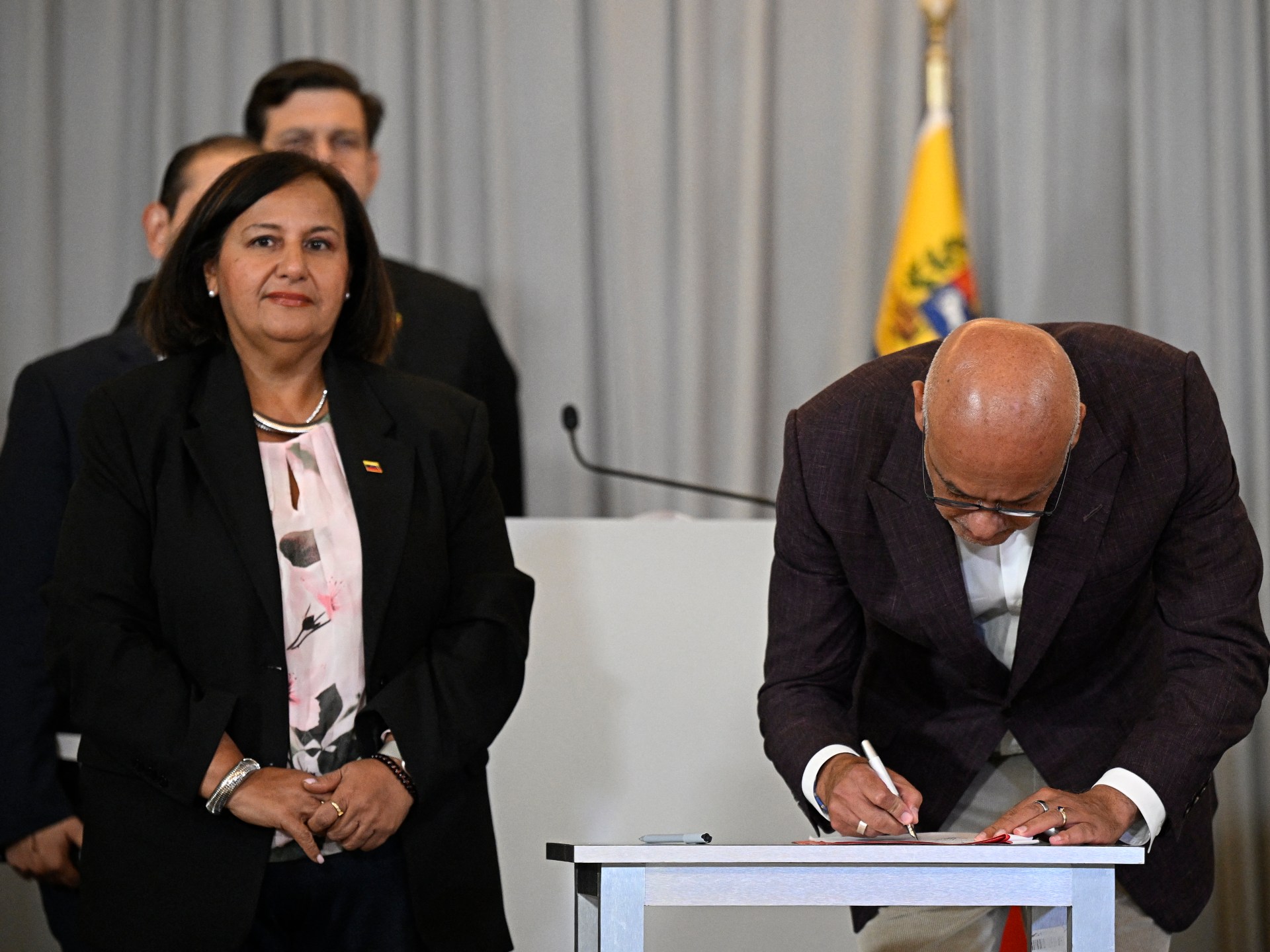
In a move signaling a potential shift in the nation’s fragile political landscape, the interim government of Venezuela has officially agreed to work toward a comprehensive Venezuela reform of its highest judicial body. Following a second round of intensive negotiations in Caracas, representatives from the ruling interim administration and the political opposition announced a collaborative roadmap aimed at restructuring the Supreme Court of Justice. This development marks the first tangible movement in a series of promises regarding democratic transparency and systemic institutional change.
Understanding the Scope of Venezuela Reform
The core of this agreement involves the establishment of a specialized seven-member panel tasked with scrutinizing the selection criteria for Supreme Court candidates. By reviewing the mechanisms that have historically allowed for political influence over the judiciary, both parties hope to foster a system that commands greater public confidence. National Assembly President Jorge Rodriguez and opposition leader Dinorah Figuera, representing the bloc that secured victory in the 2015 elections, have committed to an ongoing analysis of the legislative instruments required to transform the country’s judicial framework.
This political dialogue occurs against a backdrop of significant international pressure and shifting alliances. Since the sovereign state underwent a change in leadership earlier this year, the interim government has sought to align its policies more closely with the United States. However, observers remain cautious. While the government discusses internal adjustments, international critics frequently point out that the machinery of the previous era remains largely intact. Despite these ongoing concerns regarding institutional stability, the willingness of both sides to sit at the negotiating table suggests that domestic stability is a shared priority.
Economic Interests and International Ties
The dialogue is not merely about legal procedures. Discussions on the sidelines of the recent United Nations General Assembly have highlighted the complex relationship between Caracas and Washington. Secretary of State Marco Rubio indicated that conversations between interim President Delcy Rodriguez and President Donald Trump have also touched upon the restructuring of billions of dollars in sovereign debt. Furthermore, the broader context of shifting power in the region cannot be ignored, as questions regarding oil reserves and foreign influence continue to dominate the discourse.
While President Trump confirmed to reporters that he personally addressed the issue of upcoming elections during his meetings with Rodriguez, the lack of a firm timeline has fueled skepticism among the electorate. The interim government has promised a transition to more democratic processes, yet rights groups warn that until the repressive apparatus inherited from the previous administration is dismantled, true reform remains elusive. As the seven-member panel begins its work, the next round of talks, scheduled for next month, will likely determine whether this newfound cooperation is a precursor to lasting stability or merely a temporary tactical alignment.