
Trump rejects Iran deal to reopen Strait of Hormuz in seven days
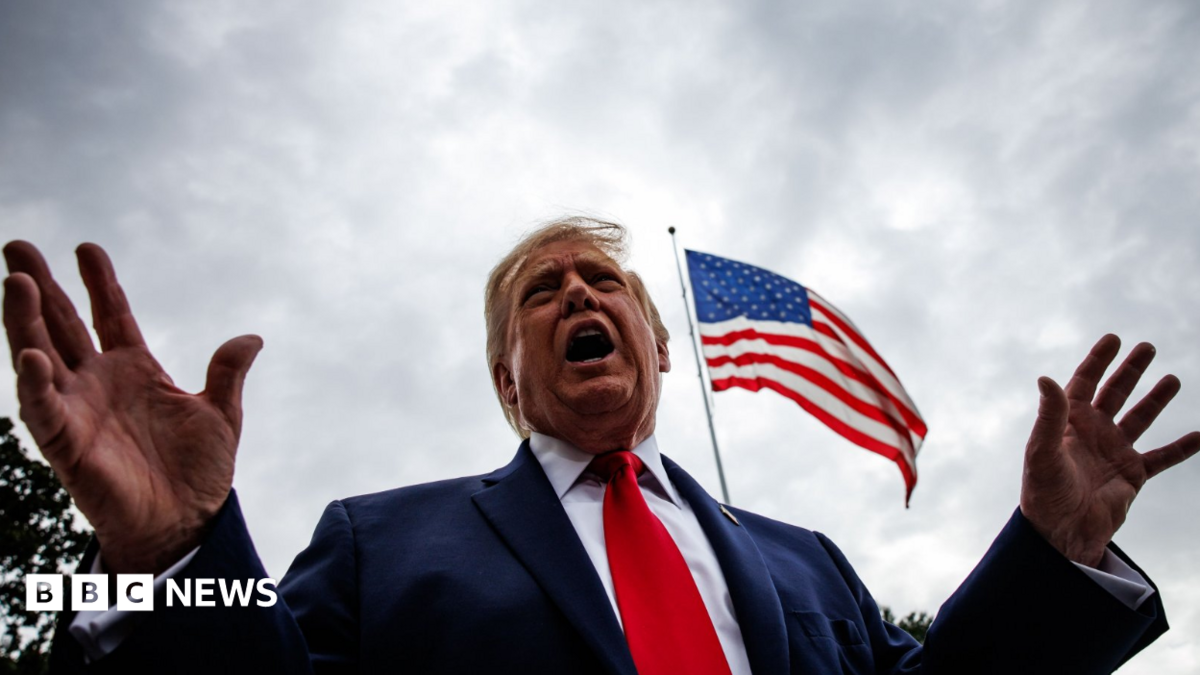
In a move that heightens geopolitical volatility, US President Donald Trump has officially rejected a proposal from Iran aimed at reopening the Strait of Hormuz to international commercial shipping. The President expressed deep skepticism toward the overture during a recent White House press briefing, suggesting that the timing of the offer is indicative of Tehran’s waning economic position rather than a genuine desire for diplomatic stability.
The Standoff at the Strait of Hormuz
The Strait of Hormuz serves as one of the world’s most critical maritime chokepoints, facilitating the transit of approximately one-fifth of the global oil and gas supply. Since the intensification of military operations in February, this vital artery has remained effectively paralyzed. Iranian Foreign Minister Abbas Araghchi had previously argued that passage could be normalized within a single week, provided that specific conditions outlined in a June memorandum of understanding were met. However, the current administration views these terms as obsolete, particularly in light of recent combat escalations.
As regional dynamics shift, some observers are looking at the broader historical context of diplomatic efforts and legal disputes, such as the long-standing institutional power struggles between government branches, to understand how leadership decisions are framed during times of crisis. The White House, meanwhile, maintains that it holds firm control over the waterway and prefers to dictate terms from a position of strength.
Economic Pressures and Future Negotiations
The blockade has triggered wild fluctuations in energy prices, exerting significant pressure on the White House as the nation approaches high-stakes Congressional elections in November. While the administration is keen to finalize a deal, there is little appetite for returning to a framework that US officials now deem fundamentally flawed. According to maritime trade analysts, daily transits have dropped significantly compared to pre-war averages, complicating global logistics and fueling inflation.
The complexity of the situation is further compounded by the involvement of regional proxies. Houthi forces have recently intensified their presence along the Red Sea, threatening additional shipping routes and forcing Saudi leadership to request increased military support from Washington. With the Strait of Hormuz serving as the epicenter of this economic standoff, the prospect of a renewed bombing campaign remains on the table. President Trump has publicly flirted with the idea of total annihilation as a bargaining chip, a rhetoric that Araghchi and other Iranian diplomats have decried as incompatible with the pursuit of peace. As the region remains in a state of flux, global markets continue to brace for the potential of further disruptions in the coming months.