
Third storm heads for already drenched B.C. coast
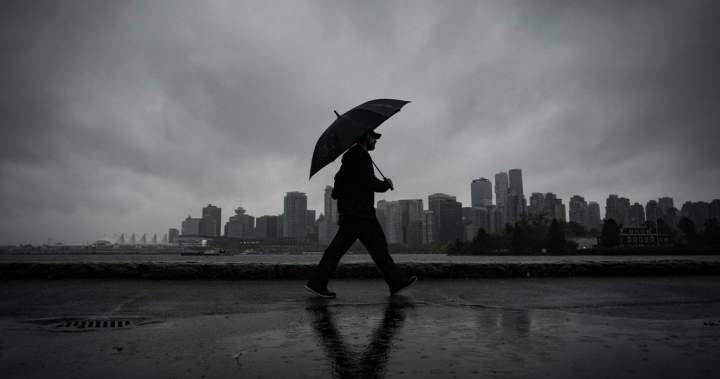
Introduction & Key Takeaways
British Columbia is currently facing a perilous weather event as the third in a series of severe storms barrels toward its coastline. This atmospheric assault, coming on the heels of drenching low-pressure systems that have already incapacitated regional infrastructure, has pushed local emergency services to their limits. Residents across the province are urged to exercise extreme caution as the combination of high-velocity winds and sustained rainfall threatens to exacerbate an already volatile landscape.
- A major series of storms is expected to persist from Tuesday through Thursday.
- The province is grappling with widespread power outages and significant flooding concerns.
- Tragedy struck in Surrey, B.C., where a driver was killed by a falling tree during recent weather conditions.
- Evacuation orders remain in place for vulnerable communities such as Zeballos.
Background & Context (What Just Happened?)
The Pacific Northwest is experiencing a period of intense atmospheric instability. Over the past weekend, a series of low-pressure systems descended upon the coast, resulting in widespread destruction. For many, the most harrowing impact was in Surrey, where one individual lost their life when a fallen tree crushed two vehicles. This tragic incident highlights the extreme danger posed by these wind gusts, which have reached speeds exceeding 110 kilometers per hour in regions like Haida Gwaii and North Vancouver Island. As the community continues to digest these events, news outlets continue to cover local emergencies, reminding citizens that the B.C. Storm threat level remains critical as infrastructure crews struggle to restore electricity to thousands of households.
Root Cause & Deep Dive Analysis (Why Did This Happen?)
The primary driver behind this relentless weather pattern is a concentrated series of low-pressure systems traversing the Pacific Ocean. These systems gain momentum over the open water, drawing significant moisture before releasing it against the topography of the B.C. coast. The phenomenon of upslope precipitation occurs when air is forced upward over mountainous terrain, causing the moisture to cool and condense, leading to intense localized rainfall. This mechanism effectively turns the mountainous geography of the province into a barrier, trapping water and causing rapid saturation of the soil. When soil becomes oversaturated, the risk of landslides and sudden, dangerous water pooling increases exponentially. This is compounded by the structural integrity of the local forests, which are often strained by sustained wind forces during such weather cycles.
Strategic Implications & Future Impact (What Does This Mean Globally?)
The intensification of such weather events carries profound implications for provincial and federal governance. Infrastructure resilience is being tested as aging grids fail under extreme conditions, prompting debates about the necessity of undergrounding utilities and investing in more robust flood mitigation. Globally, meteorologists at the official weather monitor note that shifting Pacific currents are altering how systems approach the North American coast. For British Columbia, the strategic necessity of upgrading civil protection protocols is now undeniable. The B.C. Storm patterns we see today may become the new baseline for seasonal planning, impacting real estate development, insurance premiums, and even the way coastal transit, such as the regional ferry systems, operates during the fall months.
Conclusion & What to Watch Next
As the province prepares for the third incoming wave of this B.C. Storm sequence, the focus remains on civilian safety and the restoration of essential services. Authorities are monitoring the situation hourly, and residents in low-lying areas should stay informed through official government channels. The resilience of the region will continue to be tested throughout the week as we wait to see how the landscape responds to the saturation. Protecting human life and reinforcing our critical infrastructure must remain the top priorities as we navigate this challenging atmospheric trend.