
Why Pawan Kalyan’s Marriages Keep Becoming Political Talking Points: Anna Lezhneva Separation Reignites Debate
Introduction & Key Takeaways
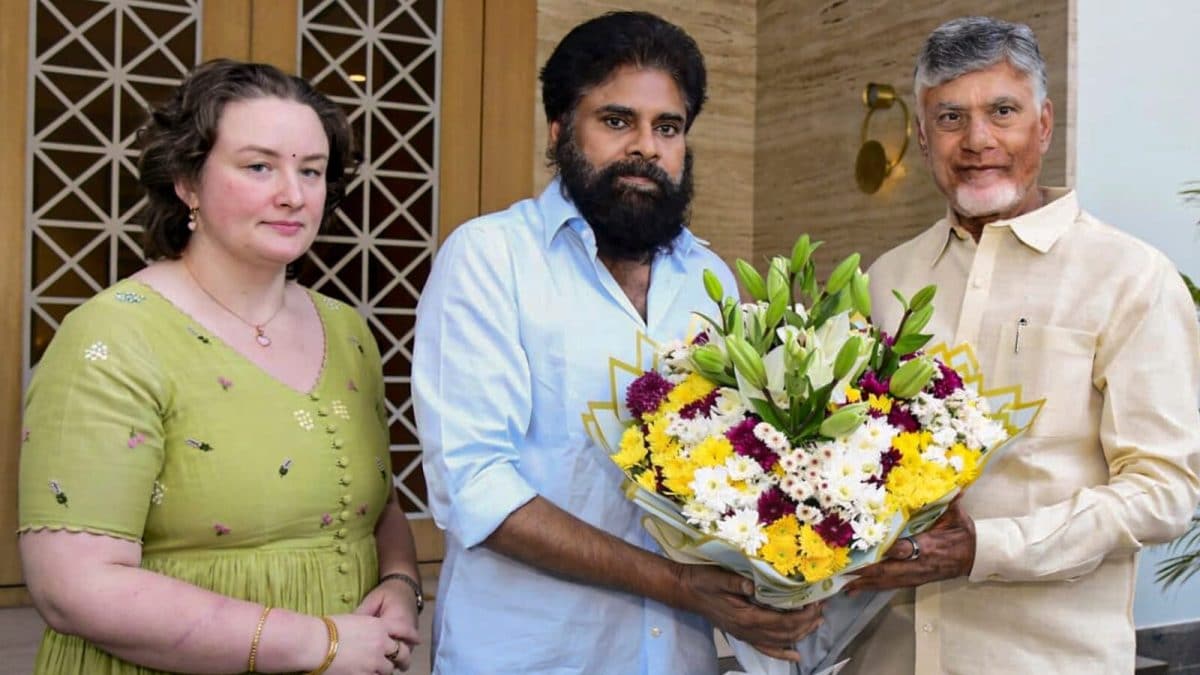
The recent announcement of separation between Andhra Pradesh Deputy Chief Minister Pawan Kalyan and his wife, Anna Lezhneva, has once again thrust the personal life of the Jana Sena Party founder into the national spotlight. While the dissolution of a 13-year marriage is a deeply personal event, it has reignited intense debate regarding the role of private lives in Indian political discourse. This Pawan Kalyan explainer examines why his marital history becomes a focal point for opponents and what this reveals about the current state of regional politics.
- Pawan Kalyan and Anna Lezhneva have ended their 13-year marriage through a mutual agreement, prioritizing continued friendship and co-parenting.
- Critics frequently weaponize his personal marital history as a rhetorical tool to question his public morality.
- Modern voters are increasingly separating personal domestic transitions from administrative and governance performance.
- The discourse surrounding this event highlights a shift in how the Indian electorate evaluates the integrity of public figures.
Background & Context
Pawan Kalyan, a cinematic icon turned political powerhouse, has long faced scrutiny regarding his personal life. His previous marriages to Nandini and Renu Desai have historically served as fodder for political campaigns. When these personal details surface during elections, they are often presented by rivals as evidence of instability or a lack of moral grounding. However, recent events suggest a departure from this pattern. The joint statement released by the couple reflects a deliberate, dignified transition that contrasts sharply with the often sensationalized nature of political mudslinging. For more perspective on the broader political environment in the region, refer to this report on the diplomatic landscape.
Root Cause & Deep Dive Analysis
Why does Pawan Kalyan face such persistent scrutiny? The root cause lies in the traditional reliance on moralizing politics in India, where private conduct is often used to undermine professional credibility. By framing personal life through the lens of traditional values, opponents seek to bypass policy-based criticism. Yet, an objective legal analysis reveals that his transitions have consistently followed due process. Unlike the scandals that typically derail political careers, his life reflects a commitment to legal transparency. This behavior challenges the status quo of political figures who often maintain a curated facade to mask domestic realities.
Strategic Implications & Future Impact
The weaponization of personal life is a double-edged sword. While it may satisfy the base of an opposing political party, it often risks alienating the modern voter. As India evolves, the electorate is placing a premium on Pawan Kalyan and his administrative output, such as rural development and state welfare initiatives. By addressing these personal matters with transparency, he effectively neutralizes the volatility that opponents hope to exploit. This strategy forces a shift in political conversation, pushing the narrative away from personal character assassination and toward tangible governance metrics. Understanding such trends is vital for those watching the global political climate where personality and policy often intersect.
Conclusion & What to Watch Next
The separation of Pawan Kalyan and Anna Lezhneva serves as a barometer for how political discourse is changing. As voters focus more on policy delivery and institutional integrity, the impact of personal life as a campaign weapon is likely to diminish. It is critical for observers to monitor how the Jana Sena Party navigates these cultural critiques as the next major election cycle approaches. The ability of a leader to maintain dignity during personal adversity is increasingly being seen as a sign of maturity rather than a weakness. We must continue to analyze whether the Indian public will fully detach the private struggles of their representatives from their performance as public servants.