
Cost of living protests aren’t just happening in Europe
Introduction & Key Takeaways
The global landscape is currently witnessing a synchronized wave of social unrest, as cost of living protests move beyond the traditional boundaries of European capitals. While much of the Western media discourse has focused on fiscal instability within the Eurozone, the reality is that economic hardship is fueling widespread public frustration across diverse nations. This phenomenon is not an isolated event but rather a systemic reaction to inflationary pressures, food insecurity, and stagnating wages that transcend cultural and geographical lines. Key takeaways include:
- Economic distress has evolved into a global movement, with demonstrations gaining momentum in Senegal, Costa Rica, and Indonesia.
- The root causes are multifaceted, involving rising commodity prices, fractured supply chains, and the lingering aftereffects of geopolitical conflicts.
- Governments are struggling to balance fiscal austerity with the urgent need for social welfare to prevent complete systemic collapse.
Background & Context
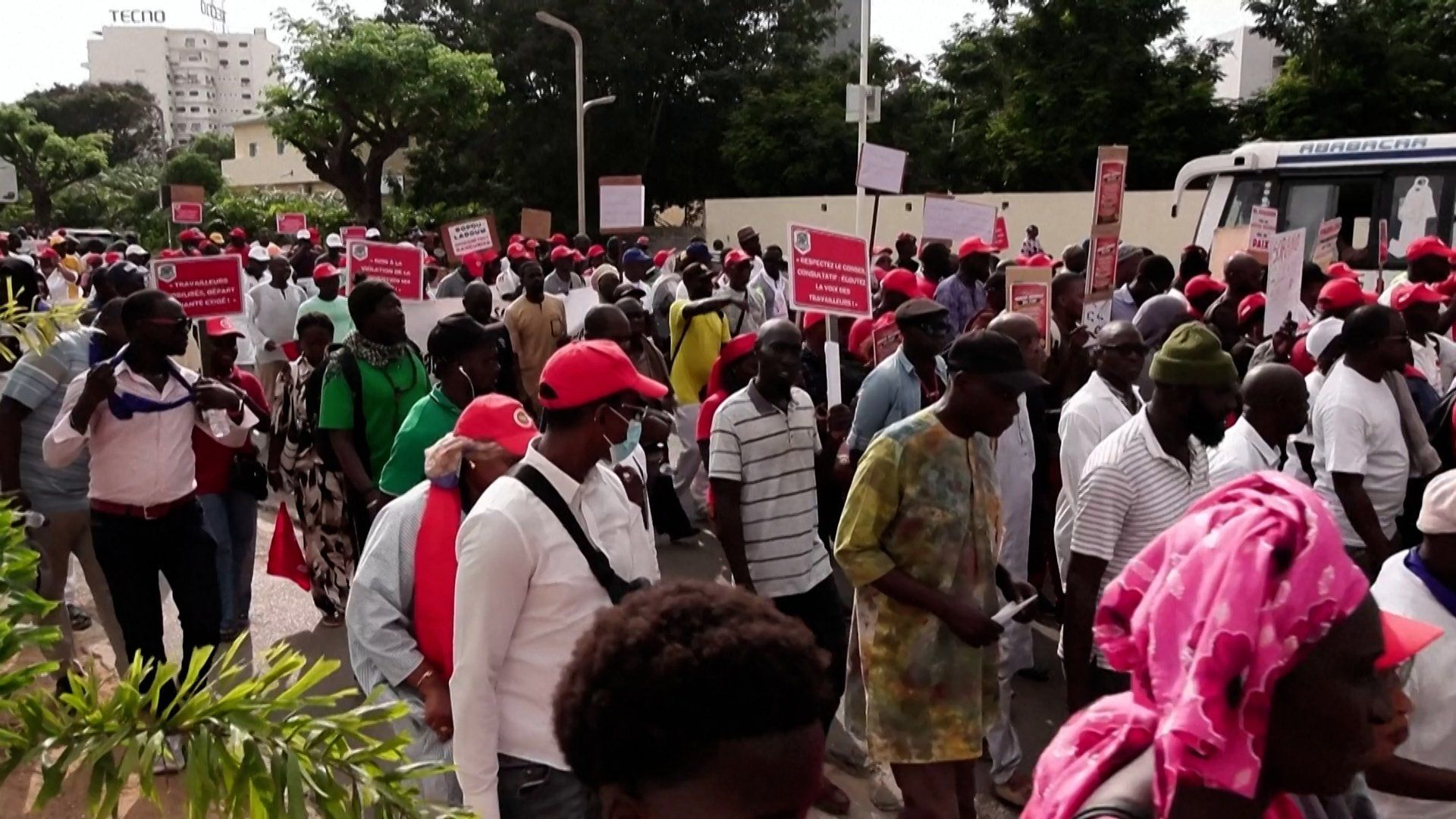
What just happened? The recent reports from various emerging markets indicate that citizens are no longer remaining passive in the face of skyrocketing prices. In Senegal, for example, the struggle to afford basic household goods has pushed thousands to take to the streets. Similar scenes have unfolded in Costa Rica and Indonesia, where citizens demand immediate intervention from their respective leaderships. This is an escalation of the protests seen across Europe earlier this year, suggesting that the inflationary malaise is truly borderless.
Root Cause & Deep Dive Analysis
Why did this happen? To understand the current climate, one must look at the structural vulnerabilities of the global economy. Many developing nations rely heavily on the importation of fuel and fertilizers, the prices of which have surged due to energy volatility and trade disruptions. When global markets fluctuate, the most vulnerable populations often suffer the brunt of the cost of living crisis. The World Bank has previously warned about the impact of debt-to-GDP ratios on emerging market stability. As governments borrow more to subsidize energy, their ability to provide public services diminishes, leading to the public outcry we observe today.
Furthermore, the erosion of purchasing power is exacerbated by a weak local currency in many of these regions. When a nation pays for essential imports in a stronger currency, such as the US dollar, their own inflation rates spiral upward. This creates a feedback loop: civil unrest leads to political instability, which in turn devalues the currency further, making life even more unaffordable for the common person. The cycle is difficult to break without massive international structural reform.
Strategic Implications & Future Impact
What does this mean globally? The surge in these movements signifies a shift in political power dynamics. When mass protests occur, they often force a change in the electoral agenda. In some countries, we may see a transition toward protectionist policies or, conversely, a desperate reliance on international bailouts that come with strict conditions. For international investors, these developments indicate a period of elevated risk in emerging markets. Supply chains that were already brittle could face further delays if labor strikes and civil disobedience interrupt port activities or domestic logistics.
The global north is not immune to these risks. As emerging markets struggle to maintain social order, the resulting migration flows and shifts in manufacturing viability will inevitably ripple through the global economy. Policy makers must prioritize food security and energy affordability if they hope to dampen the flames of these recurring demonstrations.
Conclusion & What to Watch Next
The persistence of the cost of living crisis will remain the defining feature of the coming fiscal year. It is clear that the status quo is insufficient. Observers should monitor whether international financial institutions provide meaningful relief or if they continue to prioritize fiscal discipline at the expense of social cohesion. The eyes of the world are now turning toward these regions as they demand a seat at the table of global economic recovery.