
Multiple flights diverted across Europe over bomb threats
Introduction & Key Takeaways
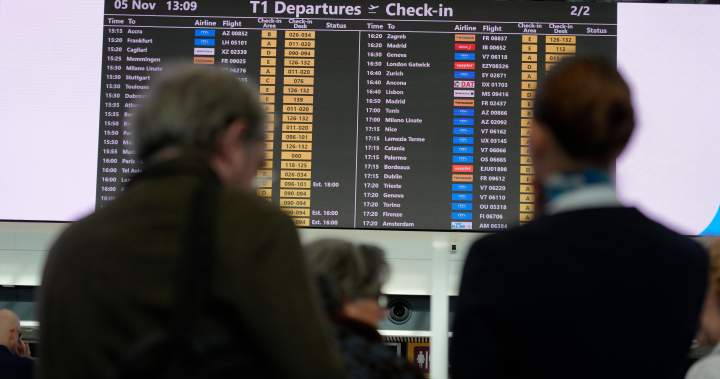
In a coordinated wave of disruption, multiple flights across the European continent were targeted by suspicious bomb threats this week, resulting in emergency landings, military scrambles, and significant logistical chaos. This alarming series of events highlights the persistent vulnerability of international travel to digital-age insecurity. The phenomenon of such widespread Europe bomb threats underscores a disturbing trend where civil aviation serves as a primary stage for psychological warfare. Key takeaways include:
- Over a dozen commercial flights were affected, originating from diverse hubs such as Copenhagen, Dublin, Helsinki, Madrid, and Warsaw.
- No hazardous materials or explosive devices were located during security sweeps, confirming these events were largely sophisticated hoaxes.
- The incidents reflect a growing pattern of hybrid warfare aimed at destabilizing critical infrastructure through fear and economic disruption.
- National defense forces, including air policing units, were deployed to ensure the safety of passengers mid-flight.
Background & Context (What Just Happened?)
The situation escalated rapidly on November 5, 2026, when authorities across multiple jurisdictions were alerted to threats directed at commercial airliners. In one high-profile instance, an Aer Lingus flight traveling from Dublin to Rome was forced to divert to a military air base in Evreux, France. The aircraft was escorted by a French warplane, a standard procedure for high-level security incidents, while military bomb disposal teams conducted a meticulous search of the vessel. The passengers, totaling over 150, were processed in small, controlled groups to maintain maximum security during the inspection. Similar scenarios played out across the continent, with Finnair flights and various budget carriers like Ryanair and Wizz Air facing comparable disruptions that forced emergency diversions to airports in Prague, Vienna, and Sofia.
Root Cause & Deep Dive Analysis (Why Did This Happen?)
The core of this crisis lies in the deliberate weaponization of ambiguity. By launching these Europe bomb threats via email or vague reports, malicious actors create a no-win scenario for authorities. If officials ignore the tip, they risk a genuine catastrophe. If they treat every report as credible, they exhaust resources, ground fleets, and inflict severe economic and reputational damage on the aviation industry. This method aligns with what security analysts describe as the evolving landscape of hybrid threats. Unlike traditional physical warfare, these attacks rely on fear. Other recent events, including hybrid threats to critical infrastructure and mysterious electronic trigger warnings, suggest a coordinated attempt to test the resilience of European civil systems. This mirrors the political instability seen in other sectors, such as the 2026 US Midterm elections, where the perception of order is as vital as the reality of it.
Strategic Implications & Future Impact (What Does This Mean Globally?)
The strategic goal of these Europe bomb threats is likely the erosion of public trust in aviation security and the straining of national defense budgets. Every time a fighter jet is scrambled or a runway is closed for a search, it incurs massive costs and delays. These incidents force governments to engage in a costly game of cat and mouse, potentially desensitizing the public to actual danger over time. If these patterns persist, airlines may face higher insurance premiums, and travelers could see a permanent increase in transit times due to hyper-vigilant pre-flight screening protocols. Furthermore, the reliance on, and subsequent hacking of, digital infrastructure suggests that our modern connectivity is both our greatest strength and our most significant liability.
Conclusion & What to Watch Next
The ability to disrupt European airspace with simple, unverified threats reveals a critical weak point in our global interconnectedness. As intelligence agencies work to identify the source of these hoaxes, the immediate focus will remain on refining communication protocols between aviation authorities and military response teams. Observers should continue to monitor whether these threats correlate with specific geopolitical shifts or if they are purely the work of non-state actors looking to sow chaos. The era of hybrid disruption is here, and it requires a sophisticated, unified approach to ensure that the skies remain a safe environment for global commerce and human movement. Safety protocols will likely be strengthened, but the psychological element remains the most difficult variable to manage.