
Germany’s Merz vows to fight ‘extremism’ after AfD, far-left election gains
Introduction & Key Takeaways
Chancellor Friedrich Merz has launched a forceful campaign against what he characterizes as rising political extremism, a direct response to recent electoral setbacks for his government. As the German political landscape undergoes a volatile transformation, the chancellor finds himself navigating a complex environment where voters are increasingly gravitating toward the fringes. The core challenge for the administration involves reconciling the growing influence of the far-right Alternative for Germany (AfD) and the populist Left Party with the traditional stability of the centrist political order.
- Chancellor Merz faces record low approval ratings, with only one in ten Germans expressing satisfaction with his current leadership.
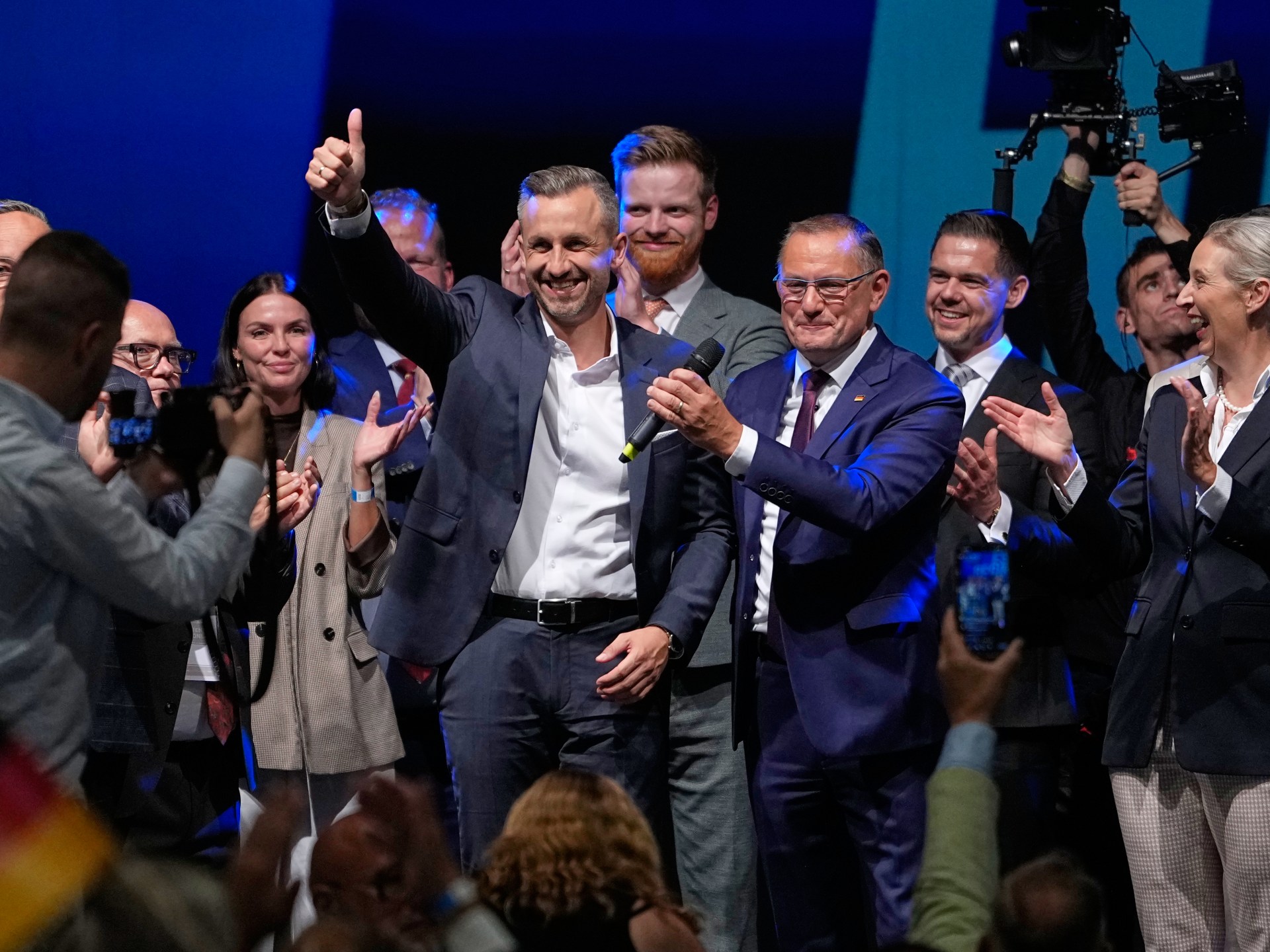
- The far-right AfD has secured a parliamentary presidency in Saxony-Anhalt, signaling a breach in the long-standing political firewall against the party.
- The far-left in Berlin is capitalizing on the housing crisis to push for radical reforms, including the nationalization of major housing associations.
- These regional electoral shifts reflect a deep-seated disillusionment with mainstream political institutions that has been building for years.
Background & Context (What Just Happened?)
The current political unrest stems from a series of local elections that have effectively paralyzed the conventional coalition-building processes. In Saxony-Anhalt, the AfD, while failing to secure a total majority, successfully leveraged a secret ballot to install one of its members as the state parliament president. This move was made possible by the support of left-populist factions, demonstrating a surprising and rare tactical alignment between extreme ends of the ideological spectrum. Meanwhile, in Berlin, the Left Party effectively doubled its support by focusing on the acute shortage of affordable housing. This local victory challenges the dominance of the Christian Democratic Union (CDU) and sets the stage for a potential shift in municipal governance. For more context on the historical trajectory of European political shifts, one might look at broader democratic systems in Western Europe.
Root Cause & Deep Dive Analysis (Why Did This Happen?)
The rise of the AfD is not a new phenomenon, but rather the culmination of years of frustration regarding immigration policies and perceived economic neglect in eastern regions. The party gained substantial traction following the 2015 migration crisis and has successfully branded itself as the primary voice for the disaffected. Conversely, the success of the Left Party in Berlin highlights a different, equally potent grievance, the housing market. As rental prices soar beyond the reach of the average citizen, the demand for state intervention has grown from a fringe idea into a legitimate electoral mandate. Both parties are symptomatic of a wider rejection of the status quo that has defined German politics for decades. The Chancellor must now confront the reality that his party, the CDU, is losing its ability to monopolize the center, forcing it to defend its values against a barrage of populist rhetoric. This climate of instability, often compared to past conflicts or regional tensions, complicates the government’s efforts to maintain economic and social cohesion.
Strategic Implications & Future Impact (What Does This Mean Globally?)
Germany stands at a critical juncture. The normalization of fringe parties in regional parliaments threatens to make governance impossible, as traditional parties struggle to build coalitions without sacrificing their ideological integrity. The economic implications are equally profound. If the Left Party successfully moves forward with the nationalization of housing in Berlin, it could trigger a massive flight of private capital and create significant legal battles that define German policy for years to come. Internationally, a weakened or distracted German leadership limits the country’s ability to project influence within the European Union. Furthermore, the volatility of German politics makes it difficult to maintain consistent foreign policy positions regarding energy, defense spending, and climate commitments. If regional states become bastions of political extremism, the national government will find its hands tied on both domestic reforms and international obligations.
Conclusion & What to Watch Next
Looking ahead, the focus shifts to North Rhine-Westphalia, the nation’s most populous state. An election there in April will serve as a definitive barometer for whether the trends observed in Berlin and Saxony-Anhalt represent a systemic shift or isolated regional grievances. Chancellor Merz must revitalize his base and address the underlying socio-economic concerns of the electorate, or he risks presiding over a period of protracted legislative gridlock. The stability of the European project often depends on the strength and reliability of its largest economy, making the upcoming months a decisive period for German democracy and, by extension, the broader stability of the continent.