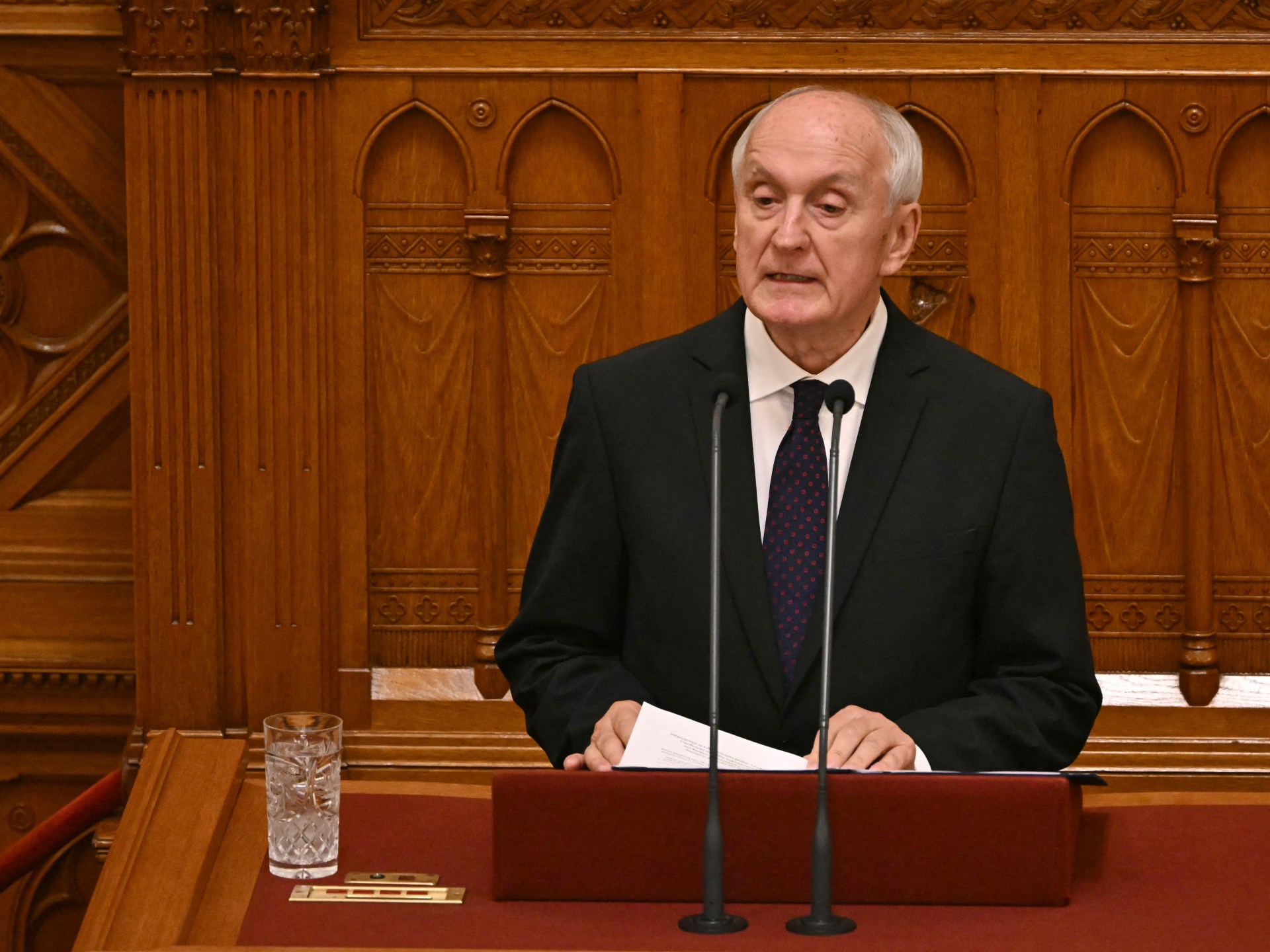
In a seismic political shift resonating across Central Europe, Hungary’s parliament has officially confirmed Andras Baka, a distinguished former Supreme Court chief and vocal critic of erstwhile Prime Minister Viktor Orban, as the nation’s new president. This pivotal appointment signals a decisive repudiation of Orban’s enduring legacy, marking a watershed moment in Hungarian political history.
The National Assembly, convening for a secret ballot on Tuesday, overwhelmingly backed Baka’s nomination with 140 votes in favour, a stark contrast to just six opposing votes and no abstentions. His candidacy, put forth just days prior by the ascendant Tisza party, which commands a constitutional supermajority, underscores a determined effort to reshape Hungary’s governance. Tisza lawmakers lauded Baka’s extensive experience, hailing it as an invaluable asset in their ambitious endeavour to construct a fresh constitutional framework for the country.
The Significance of Hungary’s New President
Baka, now 73, brings a formidable judicial background to the presidential office. He previously served two impactful terms as a judge on the European human rights tribunal in Strasbourg before his election as head of Hungary’s Supreme Court in 2009. His tenure there, however, was abruptly cut short just two years later following his public condemnation of Orban’s government reforms, which he passionately argued jeopardised judicial independence. His return to prominence as Hungary’s new president is therefore laden with symbolism, representing a potential restoration of judicial integrity.
The confirmation unfolds against a backdrop of sweeping legislative actions by the Tisza party, which swept to power in a landslide electoral victory in April. They have embarked on a comprehensive campaign to dismantle the intricate political structures meticulously built by Orban over his sixteen years in office. This includes the recent ousting of former President Tamas Sulyok, an Orban loyalist, via a constitutional amendment. Fidesz, the former ruling party now in opposition, boycotted the vote, decrying Tisza’s methods as authoritarian, a charge vehemently denied by the new majority.
Beyond Baka’s appointment, Tisza has leveraged its supermajority to push through significant reforms, including overhauling media laws, establishing a dedicated anti-corruption task force, and imposing an eight-year term limit on the prime ministership – a move widely seen as effectively barring any future return of Viktor Orban to the top executive role. While Hungary’s presidency primarily wields ceremonial powers, with only limited authority to veto or refer legislation, the elevation of Andras Baka as Hungary’s new president is unequivocally perceived as a potent and unequivocal rejection of Orban’s political heritage.
About the Author