
Inside Ukrainian offensive pushing Russia back – with Starlink playing a key role
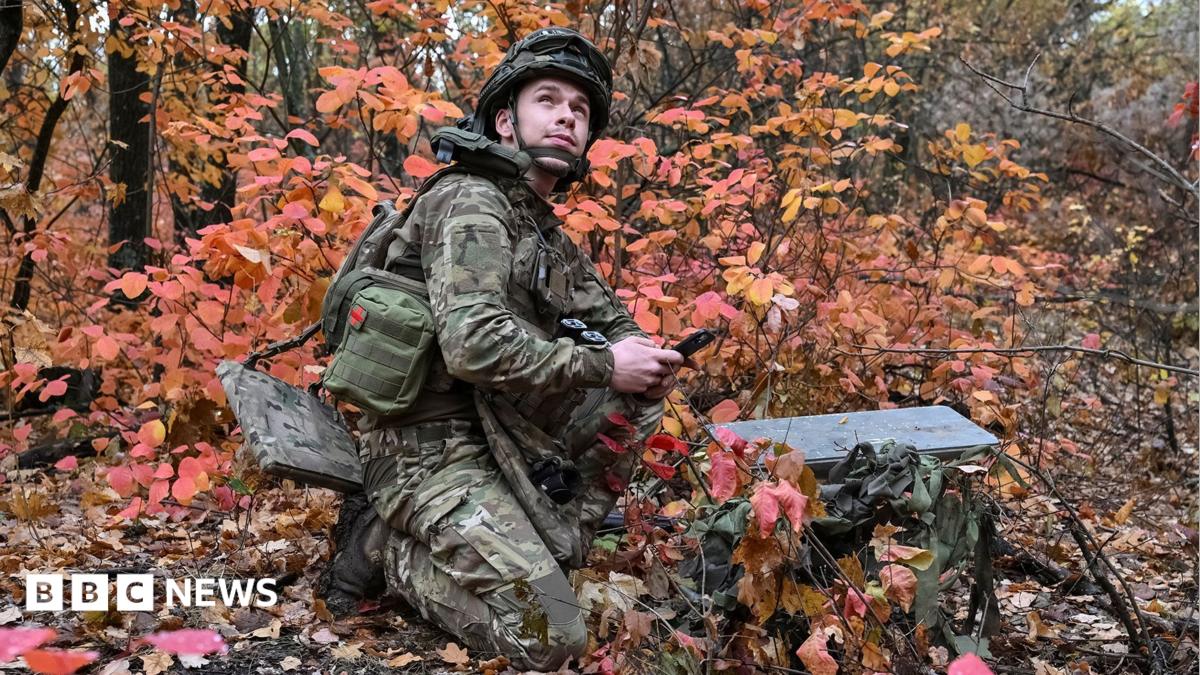
Introduction & Key Takeaways
The landscape of the war in Ukraine has undergone a significant shift as the country pushes back Russian forces in the eastern Donbas region through a military campaign dubbed Operation Vivaldi. This counter-offensive has secured 277 square kilometers, yet the success of these maneuvers is increasingly intertwined with the fragile status of digital infrastructure, specifically Starlink. As international relations fluctuate and frontline tactics evolve, the role of satellite connectivity in modern warfare has moved to the center of global scrutiny.
- Ukraine has liberated significant territory in the Donbas through integrated drone and robotics technology.
- The recent introduction of restrictions on Starlink satellite access has created friction between Kyiv and international stakeholders.
- Despite technological challenges and high-level diplomatic strain, frontline morale remains surprisingly resilient.
- Operational success is now heavily reliant on digital connectivity for surveillance, targeting, and communication.
Background & Context
In the expansive and deadly theater of eastern Ukraine, modern military strategy has shifted toward hyper-connected warfare. Operation Vivaldi represents a calculated, multi-stage assault designed to halt a Russian pincer movement aimed at the vital cities of the Fortress Belt. By deploying unmanned ground vehicles and sophisticated drone networks, the Ukrainian forces have managed to reclaim territory that was under occupation for months. The name, echoing the four seasons of the Italian composer, signifies the structural depth of this operation, moving from defensive posture to aggressive liberation.
Root Cause & Deep Dive Analysis
Why did this shift occur now? The primary driver is the complete integration of digital tools into infantry units. The Silver Trinity unit, for instance, utilizes a sophisticated command bunker where real-time feeds allow for rapid target acquisition. However, the reliance on Starshield (the military-grade derivative of Starlink) has introduced a singular point of failure. Recent reports of unannounced connectivity restrictions have left commanders questioning the reliability of their digital lifelines. This dependence is a double-edged sword, as it allows for precision, but leaves the military vulnerable to external political decisions that can throttle operations instantly.
Furthermore, the physical cost of this war remains devastating. The story of Volodymyr Zamota, who spent eight months in total isolation in a destroyed village, highlights the human tragedy that persists long after lines on a map have shifted. This echoes themes of displacement, much like those found in other crises requiring temporary refuge, where families struggle to maintain normalcy amidst chaos.
Strategic Implications & Future Impact
The geopolitical fallout of Operation Vivaldi extends beyond the battlefield. Tensions between the White House and the administration in Kyiv have reached a critical point, fueled by disagreements over oil refinery strikes and the control of strategic satellite resources. If the US government continues to impose restrictions, Ukraine may be forced to diversify its communication infrastructure to avoid total operational paralysis. This strategic decoupling would likely involve partnerships with alternative providers or the development of domestic signal capabilities, a move that would represent a significant shift in the global defense technology landscape.
Conclusion & What to Watch Next
As the winter months approach, the gains made during Operation Vivaldi must be fortified. While soldiers express renewed confidence in the mission, the external pressures from diplomatic instability and technological gatekeepers loom large. Observers should monitor the frequency of Starlink disruptions and any subsequent changes in Ukrainian procurement strategies. The war continues to be a high-stakes competition between traditional infantry endurance and the digital command systems that underpin modern tactical success.