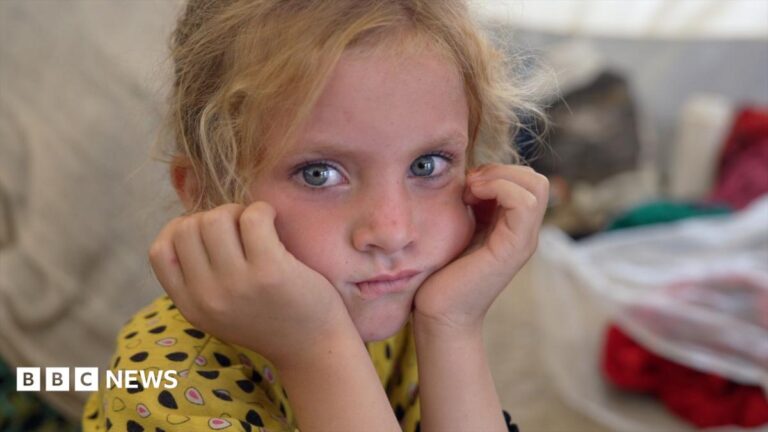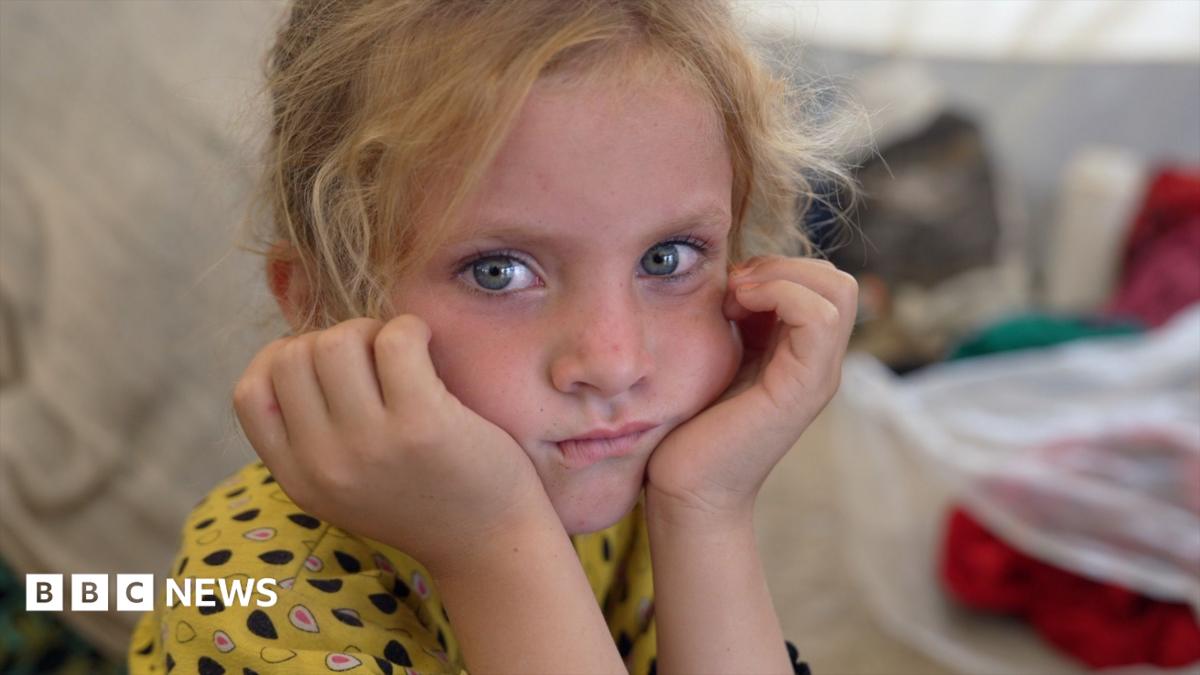
A staggering humanitarian crisis unfurls at the Torkham crossing, a desolate stretch known ominously as ‘Zero Point’. Here, bewildered eyes of children clutching cherished chickens meet the grimaces of the elderly, hobbling on crutches, all embarking on an involuntary homecoming. Nazia, a 35-year-old mother of two, encapsulated the surreal despair gripping these returnees: “It feels good to be in my own country,” she murmured, minutes after crossing from Pakistan. Yet, a profound sadness quickly followed. “But I’ve never been to Afghanistan before, and many people here don’t even have enough bread to eat.” This is the heartbreaking reality for millions facing unprecedented Afghan deportations, a colossal cross-border movement unparalleled in recent history.
The Unstoppable Tide of Afghan Deportations
For decades, millions of Afghans sought sanctuary and sustenance in neighboring Pakistan and Iran, fleeing the incessant turmoil that has plagued their homeland, from the Soviet invasion to civil war and the recent Taliban takeover in August 2021. Now, a drastic policy shift by these host nations is forcing these long-term residents to return. Initially targeting undocumented migrants, the dragnet has expanded alarmingly, encompassing even registered Afghans with Proof of Registration cards, as Pakistan itself has publicly stated. The expulsions show no signs of abatement, painting a stark picture of a humanitarian catastrophe.
The numbers are staggering. According to the UN’s Refugee Agency, UNHCR, another million people have been compelled to return from Pakistan and Iran this year alone. Charlie Goodlake, spokesperson for UNHCR in Afghanistan, observed the sheer scale with chilling precision: “In a little under three years, we’ve seen six million people, a population that is itself the size of a small country, come back to Afghanistan.” He added, emphasizing the unprecedented nature, “We’ve never seen in recent history a return movement on this scale.” These dispossessed individuals arrive at temporary tented villages, a stark landscape of tattered tarpaulin and plastic, offering only a transient respite from the scorching heat.
Stories from the Zero Point: A Return to ‘Nothing’
For many, like Nazia, Afghanistan is an alien land. Sarwar, who returned with seven brothers and their families after 45 years, recounted leaving during the Soviet invasion. “We spent a long time there, so of course I felt heartbroken when they forced us out of our home,” he lamented, though he admitted a flicker of relief at being free from “harassment by Pakistan’s police.” This sentiment resonates widely; every family encountered reported experiencing prejudice and mistreatment from authorities in Pakistan.
Pakistan and Iran justify these mass expulsions by citing security risks and the financial burden imposed by Afghan populations. However, human rights organizations paint a darker picture. After a significant escalation in fighting between Pakistan and Afghanistan last October, the expulsions intensified, marked by “door-to-door raids, late-night home searches and arrests without warrants,” as highlighted by Human Rights Watch. Iran, which claimed to host over four million undocumented Afghans last year, accelerated deportations after its 2025 conflict with Israel and the US, with the Centre for Human Rights in Iran accusing authorities of exploiting the post-war climate to brand migrants as potential spies.
A Future Shrouded in Fear and Deprivation
The fundamental principle of “voluntary, safe and dignified” return, as underscored by the UNHCR, feels like a cruel mockery at Torkham. Zarina, Sarwar’s sister-in-law, voiced the collective despair: “We have no resources to start a business or earn a living, and we don’t even own a tent to live in.” Inside a barren transit tent, Zarina’s fears extend beyond immediate survival. With a sweeping gesture towards the anxious huddle of women and girls, she declared, “Look at them, they’re all girls. Of course I’m worried.” Her concern is tragically well-founded, given the Taliban’s severe restrictions on women’s public life and their exclusion from secondary school and university. This grim reality for women and girls is a significant challenge, mirrored in other contexts where basic rights are denied, as explored in discussions surrounding how the Taliban govern Afghanistan.
Fear permeates deeper for some. A former Afghan security guard, twice deported, revealed, “I don’t leave this house.” He scoffed at the Taliban’s amnesty for former officials, citing the killings of many colleagues. “I have no trust in their amnesty because many of my colleagues have been killed.” His plight, like many others, highlights the dire need for international protection. Financial hardship exacerbates this pain, as global foreign aid has been drastically cut, particularly in Afghanistan, where the Taliban government remains entangled in sanctions linked to terrorism and human rights abuses.
While Pakistan has granted a temporary exemption from deportation to 16,000 vulnerable Afghans, the UN estimates that up to 250,000 Afghans in Pakistan, especially women and girls facing denial of education, remain at grave risk. This adds another layer of complexity to the already overwhelming catastrophic humanitarian crises unfolding globally.
Taliban’s Stance and International Isolation
From his graceful compound in Kabul, Taliban Foreign Minister Amir Khan Muttaqi acknowledged the pressure but maintained a defiant stance. “There’s no doubt that we need some help,” he admitted, but quickly added, “in the long run, it will benefit them as well as Afghanistan.” This optimistic outlook starkly contrasts with the reality on the ground, where the UN estimates nearly half the country, 21.9 million people, require assistance just to survive, and UNICEF warns of a million children facing “life-threatening” malnutrition.
UNHCR spokesperson Goodlake rightly asserted that “No country in the world could handle this kind of crisis on its own.” He noted, however, that the Taliban’s “restrictions and edicts they put in place, particularly on women and girls, don’t help us elicit international support.” Muttaqi, dismissing concerns about girls’ education as “internal issues,” glossed over the fact that only Russia has formally recognized their rule in five years. While he pointed to deepening ties with regional neighbors like China and India, the Taliban’s international isolation from Western nations remains profound, leaving the Afghan people to grapple with “nothing”—a harsh summation of their forced repatriation to a land they barely know.
About the Author