
Iran’s president tells Trump it will never ‘bend the knee’
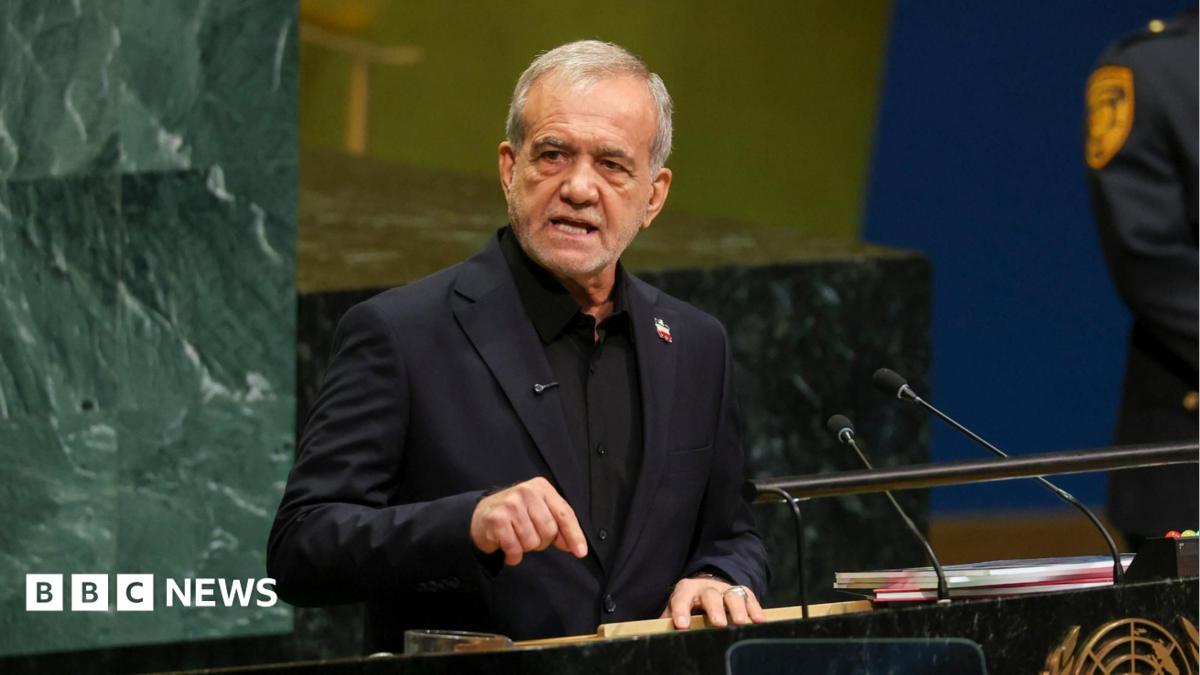
In a defiant address before the United Nations General Assembly, Iranian President Masoud Pezeshkian sent a clear signal to Washington: the Islamic Republic will never bend the knee, regardless of the mounting military and economic pressures characterizing the current seven-month conflict. His rhetoric serves as a direct response to recent inflammatory comments from US President Donald Trump, who threatened to “annihilate” the Iranian state should negotiations fail to materialize into a concrete deal.
The diplomatic theater in New York this week highlighted a deepening chasm between the two nations. As Pezeshkian took the podium, the US delegation staged a pointed walkout, leaving the chamber largely empty during his remarks. This act of protest underscores the fragility of international relations in the region, particularly as US and Iran hold first talks since June, marking a small, albeit precarious, return to the negotiating table.
The Geopolitical Reality of ‘Bend the Knee’
Central to the ongoing crisis is the control of the Strait of Hormuz, a critical chokepoint for global oil and gas trade. Pezeshkian utilized his international platform to demand an end to the US-led naval blockade that has stifled Iranian maritime commerce. He argued that the current situation, where the waterway remains accessible to some but forbidden to Iranian vessels, is unsustainable. For those interested in the broader economic implications, energy market analysts suggest that such bottlenecks could have far-reaching effects on global fuel pricing and trade stability.
During his address, the President shifted from policy to personal grievance, displaying images of the late Supreme Leader Ayatollah Ali Khamenei and victims of civilian infrastructure strikes. Iranian authorities claim these actions were the result of a joint US-Israeli military campaign. While the international community watches closely, United Nations officials remain concerned about the humanitarian toll of the conflict, specifically regarding civilian casualties in regions like Minab.
The Standoff Continues
Despite the rigid posturing, Pezeshkian conceded that Tehran is open to diplomacy, provided that negotiations do not revolve around the “language of force.” However, internal observers note that the conditions—which include the release of frozen assets and a total lifting of the naval blockade—remain non-negotiable for the Iranian side. Meanwhile, the incident involving the death of an Indian sailor aboard a cargo ship in the Strait of Hormuz has added a layer of urgency, drawing condemnation from New Delhi and emphasizing the danger posed to civilian vessels navigating these contested waters.
As indirect talks continue through Qatari mediators, the question of nuclear ambition remains a major hurdle. Trump, in his own UN address, insisted that Iran must completely abandon its nuclear program. Conversely, Pezeshkian reiterated Iran’s stated position: that it maintains a sovereign right to peaceful nuclear technology, provided there is no pursuit of atomic weaponry. With both sides refusing to bend the knee, the international community faces a complex stalemate that threatens regional security for the foreseeable future.