
NewsClick Case Returns To Spotlight: ED Challenges Delhi HC Quashing FIR And Money Laundering Probe In SC | Exclusive Details
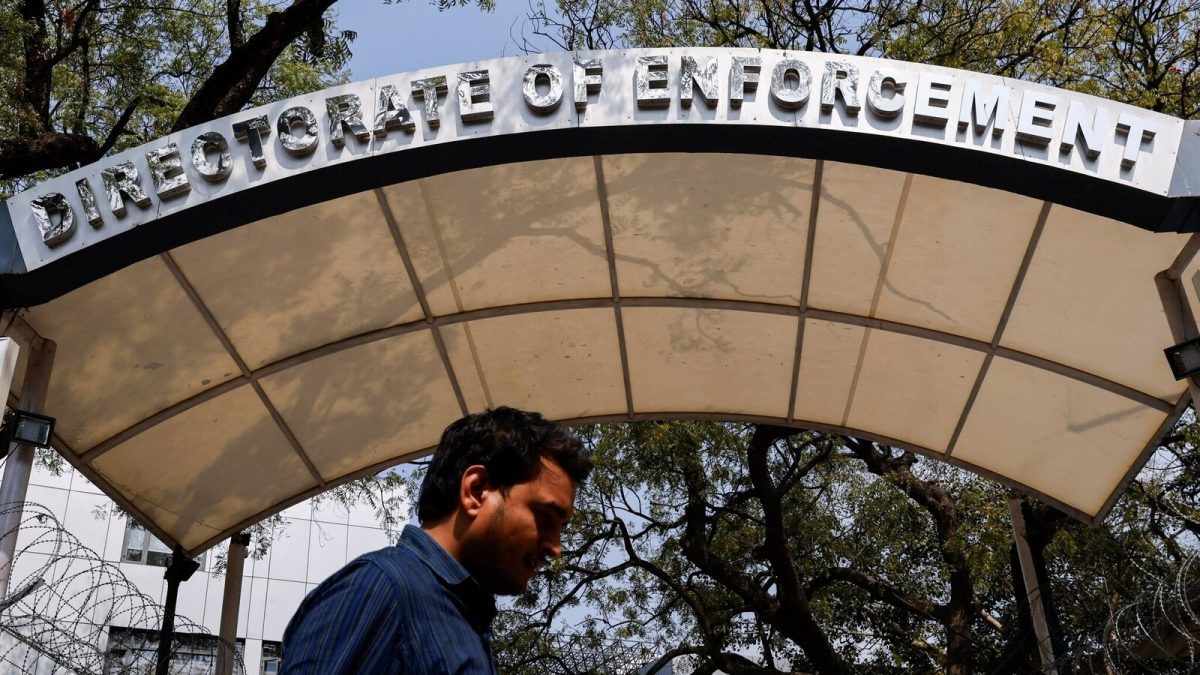
Introduction & Key Takeaways
The legal battle surrounding the digital news portal NewsClick has intensified, as the Enforcement Directorate (ED) has officially approached the Supreme Court of India. This development follows a significant Delhi High Court ruling that previously quashed criminal proceedings and money laundering investigations against the portal and its founder, Prabir Purkayastha. At the heart of this dispute is the NewsClick case, a complex legal matter involving allegations of foreign funding irregularities and the extent of judicial oversight during the initial stages of a probe.
Key Takeaways:
- The Enforcement Directorate has filed a Special Leave Petition challenging the Delhi High Court order that cleared the accused of money laundering charges.
- The ED contends the High Court prematurely conducted a mini-trial, thereby overstepping its legal jurisdiction.
- The Supreme Court will now determine if the lower court’s decision was procedurally sound or if the investigation requires reinstatement.
- The case highlights broader concerns regarding foreign direct investment (FDI) compliance and regulatory scrutiny of digital media entities.
Background & Context
To understand why this has returned to the spotlight, one must look at the events of May 29, 2026. The Delhi High Court had set aside a 2020 First Information Report (FIR) filed by the Delhi Police Economic Offences Wing. The allegations involved criminal breach of trust, cheating, and conspiracy. Consequently, the High Court also quashed the Enforcement Case Information Report (ECIR) linked to the Prevention of Money Laundering Act. For more perspective on how institutional friction plays out in the legal sphere, it is useful to review cases such as maintaining order in complex regulatory environments.
Root Cause & Deep Dive Analysis
The crux of the matter lies in the financial architecture of the alleged transaction. Investigators claimed that NewsClick received roughly Rs 9.59 crore in foreign funds from a US-based firm, Worldwide Media Holdings LLC. The state argued that this investment was funneled through inflated share valuations to circumvent strict caps on foreign media ownership. However, the High Court found that the foreign investor raised no complaints regarding deception. In its ruling, the court argued that cheating requires an aggrieved party that has been deprived of property, a component it deemed missing in this commercial share purchase.
The Enforcement Directorate now challenges this interpretation. By filing a Special Leave Petition, the agency argues that the High Court failed to account for alleged misrepresentations made to banking institutions and statutory authorities. The ED maintains that the judiciary essentially performed a trial at the writ petition stage, which is intended to be a procedural review rather than a substantive analysis of evidence.
Strategic Implications & Future Impact
The NewsClick case serves as a bellwether for how Indian courts will balance state power against corporate compliance in the digital age. If the Supreme Court sides with the ED, it will reaffirm the broad investigative powers of financial agencies, allowing them to pursue complex money laundering probes without early judicial interference. Conversely, a victory for the defense would set a precedent that protects entities from prolonged investigations based on what some perceive as over-reaching regulatory claims.
Geopolitically and economically, this signals to global investors that any influx of capital, particularly into sensitive sectors like media, will face intense scrutiny. The outcome will influence how foreign funds are routed into Indian startups and digital outlets, potentially impacting the ease of doing business for firms that rely on international capital structures.
Conclusion & What to Watch Next
As the matter moves to the Supreme Court, legal experts and industry stakeholders are watching closely. The primary question is whether the apex court will view the High Court’s actions as an appropriate check on state power or as a procedural error. The final verdict will not only determine the fate of the accused but will also clarify the limits of judicial intervention in ongoing financial investigations. Observers should monitor the upcoming hearings for any preliminary observations from the bench, which often signal the direction of the final judgment in high-stakes litigation.