
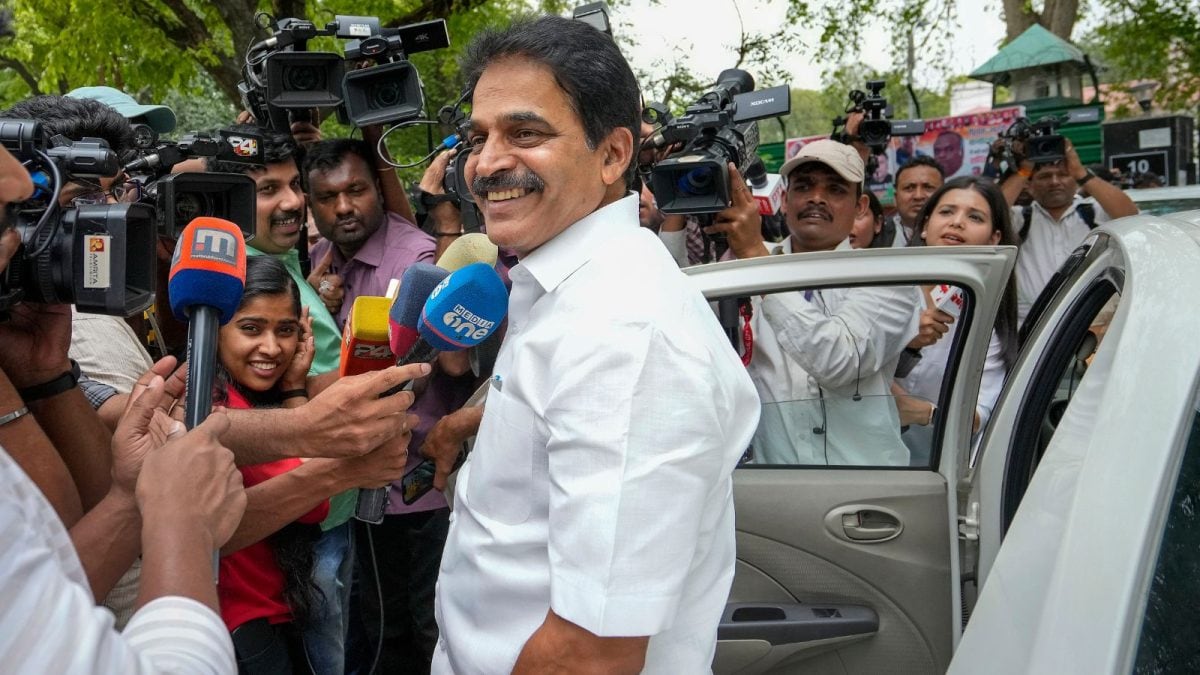
‘Wait For 2029’: KC Venugopal Hits Back At Amit Shah, Says Rahul Gandhi Will Become PM
Introduction & Key Takeaways
The landscape of Indian politics remains in a state of high tension as Congress general secretary KC Venugopal has publicly asserted that Rahul Gandhi will become the Prime Minister in 2029. This bold declaration serves as a direct rebuttal to Union Home Minister Amit Shah, who had previously mocked the potential for such an outcome. The political atmosphere is thick with anticipation and discord, signaling a long and arduous battle ahead for the country’s electoral future. As the nation watches the Rahul Gandhi 2029 narrative unfold, key takeaways include:
- KC Venugopal has formally challenged the ruling Bharatiya Janata Party (BJP) with a prophecy regarding the next general election.
- The INDIA bloc continues to express deep concerns regarding the integrity of current electoral processes, specifically targeting the Special Intensive Revision.
- Congress plans to decentralize its protest strategy by moving from national centers to a broader, state-level agitation model.
- The opposition insists that their primary motivation is the restoration of constitutional values rather than a mere thirst for power.
Background & Context (What Just Happened?)
The recent exchange of barbs began when Home Minister Amit Shah dismissed the possibility of Rahul Gandhi assuming the premiership, suggesting that the event could only occur in a make-believe or mock parliamentary setting. This dismissive remark provoked an immediate and sharp response from the Congress leadership. The context for this friction is deeply rooted in the ongoing communication challenges currently facing the political establishment as it attempts to shape a narrative for a changing India.
Root Cause & Deep Dive Analysis (Why Did This Happen?)
At the heart of the conflict lies the Special Intensive Revision (SIR) of electoral rolls, an exercise that the INDIA bloc vehemently opposes. Critics within the opposition claim that such administrative procedures are symptomatic of broader irregularities, which they characterize as a form of vote theft. The tension is compounded by the geopolitical importance and democratic weight of the Indian electoral system, which dictates policy for the world’s most populous democracy. The opposition argues that these procedural changes are not neutral administrative updates but are designed to favor the incumbent, thus necessitating the recent, massive demonstrations seen at Delhi’s Ramlila Maidan.
The Strategic Assertion of Rahul Gandhi 2029
When analyzing the strategic placement of the Rahul Gandhi 2029 goal, it becomes clear that the Congress party is attempting to shift the narrative from defensive posturing to forward-looking governance. By framing the 2029 election as a focal point, the party hopes to mobilize its base and project an image of stability and intent. This is not merely an expression of ambition; it is an effort to unify the disparate voices within the INDIA bloc under a singular, high-stakes objective.
Strategic Implications & Future Impact (What Does This Mean Globally?)
The ongoing political friction in India has global observers keenly focused on how the world’s largest democratic exercise will function in the coming years. If the opposition successfully forces a debate on the legitimacy of electoral revisions, it could lead to significant changes in how oversight is conducted. The international community often views the stability of Indian institutions as a bellwether for regional security. Consequently, the insistence by figures like KC Venugopal that the current administration is vulnerable to a Rahul Gandhi 2029 victory serves to create a climate of perpetual campaign, which may affect investor confidence and diplomatic engagement in the medium term.
Conclusion & What to Watch Next
As the nation looks toward the next parliamentary session, the intensity of the rhetoric is expected to climb. The opposition has committed to taking its grievances beyond the capital city, indicating that protests will likely emerge in several key states. Observers should monitor the legal challenges regarding the electoral roll revisions and any potential shifts in alliances within the INDIA bloc. Whether this strategy will lead to the predicted result in 2029 remains to be seen, but the tone of the political discourse has been permanently altered by these high-stakes assertions.