
Seven officers fired, a force under scrutiny: Can Montreal police rebuild public trust?
Introduction & Key Takeaways
The recent firing of seven officers by the Service de police de la Ville de Montréal (SPVM) marks an unprecedented attempt to address a deep-rooted misconduct crisis. This Montreal police scandal has placed Chief Fady Dagher in a delicate position, balancing demands for transparency against the necessity of meaningful systemic reform. While the administration frames these dismissals as a turning point, critics argue that such measures are primarily performative.
- The SPVM fired seven officers for alleged racism, discrimination, and the mistreatment of vulnerable individuals.
- Community advocates argue that these firings address symptoms, not the institutional culture of silence.
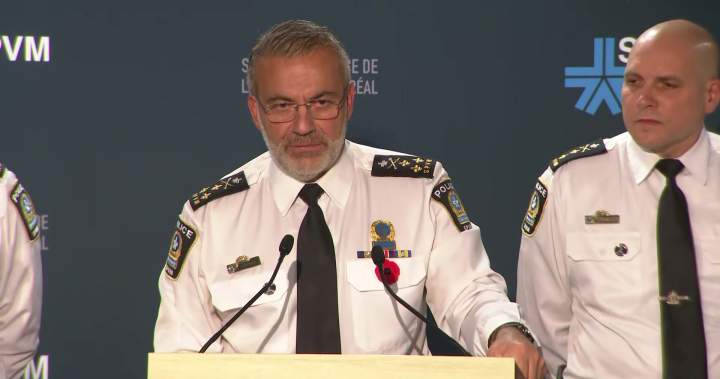
- Critics suggest the department uses PR tactics, such as poorly timed, last-minute press conferences, to control the public narrative.
- The police union is challenging the dismissals, raising questions about legal procedure and future labour relations.
Background & Context (What Just Happened?)
The controversy stems from a series of disturbing internal investigations that began earlier this year. Patrol units in Montreal North were dismantled after allegations emerged that officers had cut the hair of racialized citizens as trophies. Additionally, reports surfaced from downtown Station 21 regarding the alleged abuse of homeless individuals, including a claim of public urination on an unhoused person. These events, combined with a separate case involving the concealment of evidence in a domestic violence matter, have severely eroded public confidence. Much like the efforts seen in post-disaster recovery contexts, the SPVM is now attempting to rebuild its shattered foundation.
Root Cause & Deep Dive Analysis (Why Did This Happen?)
The Montreal police scandal highlights a persistent tension between leadership, rank-and-file officers, and the public. Experts like Ted Rutland of Concordia University suggest that the problem is not merely with individual bad actors but with how municipal governments lean on police to solve complex social issues. This reliance often creates an insular environment where systemic biases thrive.
Many analysts believe the SPVM uses a strategy of intentional media management. By scheduling high-stakes briefings on Friday evenings, the department limits the ability of journalists to dig deeper into these events. Furthermore, observers note that there is a severe lack of political will at the municipal level to address the structural issues inherent in modern policing. Similar themes of institutional accountability are often debated in the context of global governance failures where political structures face internal collapse.
Strategic Implications & Future Impact (What Does This Mean Globally?)
The fallout from this crisis extends beyond Montreal. If the administrative dismissal process is successfully challenged by the union, it could set a dangerous precedent for future disciplinary actions across North American police forces. The Montreal police scandal effectively challenges whether current disciplinary frameworks are robust enough to combat systemic racism. Globally, the struggle to balance public safety with civil rights remains a primary concern for urban security experts. If a police force as large as the SPVM cannot prove it has eradicated the culture of silence, it risks losing its legitimacy as a protective institution.
Conclusion & What to Watch Next
The coming months will be critical. The public will be watching to see if any criminal charges are actually laid by the Crown prosecutor’s office. Additionally, the outcome of the police union’s appeal against the firings will dictate whether these measures were truly the historic steps the Chief claimed them to be or merely temporary political theater. To restore true trust, the city must move beyond public relations and engage in a transparent, deep-dive overhaul of its internal policies. Real accountability requires holding not just the foot soldiers, but the entire hierarchy responsible for fostering a culture of impunity.