
Thousands rally in New Delhi to demand India’s election chief resign
Introduction & Key Takeaways
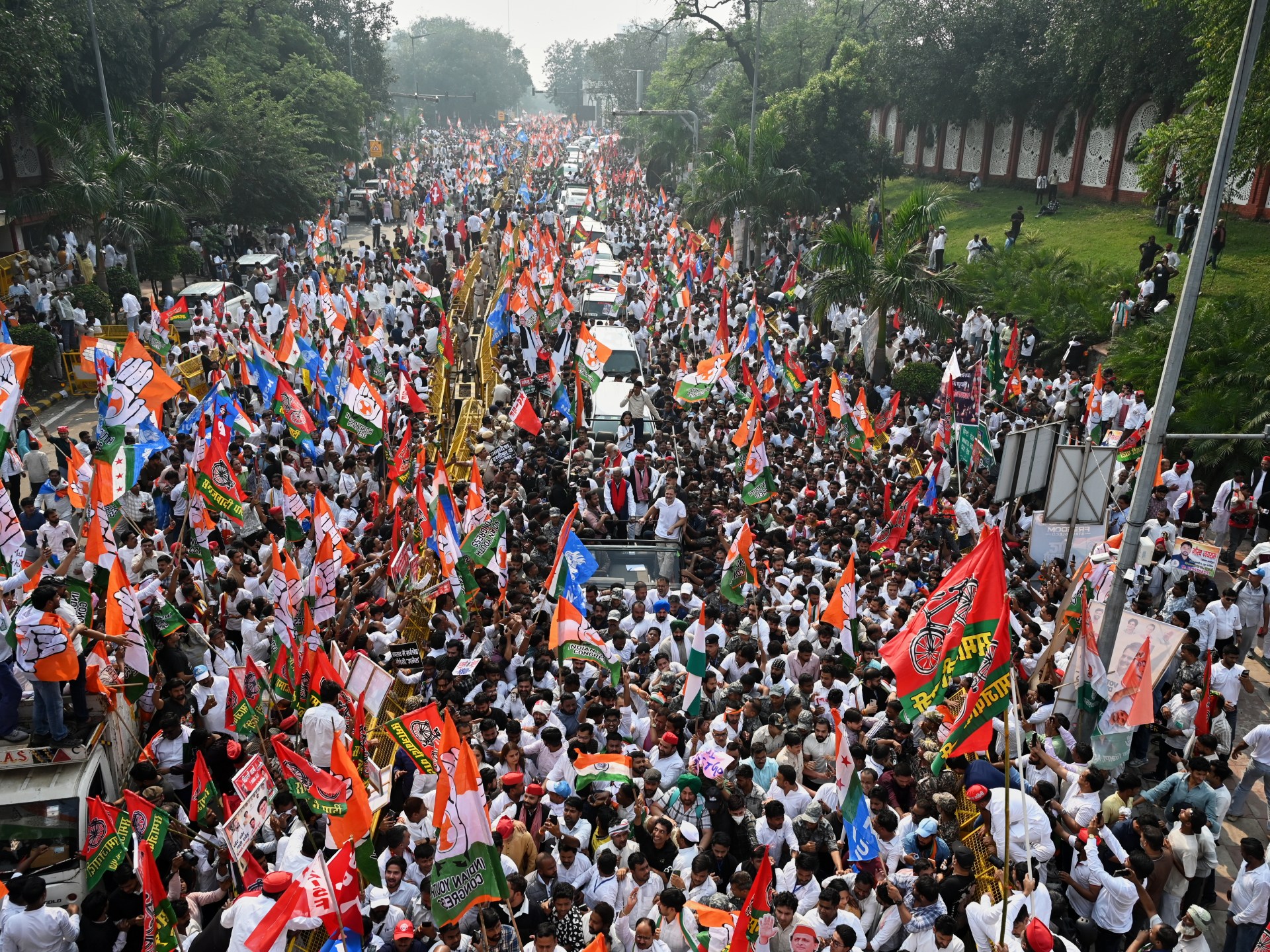
Thousands of demonstrators recently converged on the streets of New Delhi, marking a significant escalation in the ongoing political instability surrounding the nation’s democratic processes. At the heart of this unrest is a fierce demand for the resignation of the Chief Election Commissioner, Gyanesh Kumar. The protests, spearheaded by opposition leader Rahul Gandhi and a coalition of parties, have brought India to a political crossroads. As observers track these developments, the focus remains on whether these systemic challenges will fundamentally alter the country’s electoral integrity.
- Opposition parties allege that the revision of electoral rolls unfairly targeted minorities.
- The Election Commission maintains that the process was standard and legitimate.
- Analysts view these demonstrations as the most substantial political challenge faced by the administration since 2014.
- Security forces have been heavily deployed across New Delhi to maintain order amidst the unrest.
Background & Context (What Just Happened?)
The current tension erupted following a massive administrative undertaking that reportedly removed over 130 million names from the national voter lists. For opposition factions, this is not merely a bureaucratic error but a targeted effort to disenfranchise specific demographics, particularly Muslim communities and other minority groups perceived as being less supportive of the ruling Bharatiya Janata Party (BJP). The scale of the removals has triggered a wave of activism, leading to near-daily protests that have culminated in the recent mass mobilization at the historic Ramlila Maidan.
This high-stakes political standoff has created a polarized climate in the capital. While supporters of the government dismiss the marches as a performative strategy to destabilize the nation, critics argue that the institutional independence of the Election Commission is being severely compromised.
Root Cause & Deep Dive Analysis (Why Did This Happen?)
The genesis of this crisis traces back to internal dissent within the Election Commission itself. Two deputies raised formal concerns regarding the revision of electoral rolls, specifically highlighting irregularities in digital registration systems and the methodology employed for removing voters. These concerns provided the spark for a broader movement, galvanizing not just political parties but student organizations and youth-led entities to join the fray.
The foundations of electoral systems rely heavily on public trust. When that trust is eroded by allegations of partisan bias, the resulting fallout often extends beyond politics into the fabric of social cohesion. The ruling party, however, has maintained a firm stance. Health Minister Jagat Prakash Nadda has described the agitation as a conspiracy aimed at causing anarchy. This rhetorical escalation underscores the widening chasm between the government and the opposition regarding the definition of democratic participation.
Strategic Implications & Future Impact (What Does This Mean Globally?)
The international community is closely monitoring these events, given India’s position as the world’s largest democracy. A protracted battle over the legitimacy of the electoral rolls could have profound implications for investor confidence and geopolitical stability in South Asia. If the perception persists that institutional checks and balances are under duress, it could weaken India’s democratic credentials on the global stage. Furthermore, the 2029 general election, while years away, is already being shaped by these early-stage confrontations. The government’s ability to navigate this crisis without further damaging its reputation remains the primary strategic test of the current legislative term.
Conclusion & What to Watch Next
As the protests persist, the situation remains fluid. The core question is whether the Election Commission will address the opposition’s demands for transparency or if the government will continue to prioritize a hardline stance. Observers should keep a close watch on the legal challenges being filed in various courts, as the judiciary may ultimately serve as the final arbiter in this constitutional dispute. The resilience of India’s democratic institutions will be measured by their capacity to reconcile these deep grievances before they lead to irreversible systemic decay.