
Three Roll Calls A Day: How Himachal Pradesh Is Clamping Down On Bunking In CBSE Schools
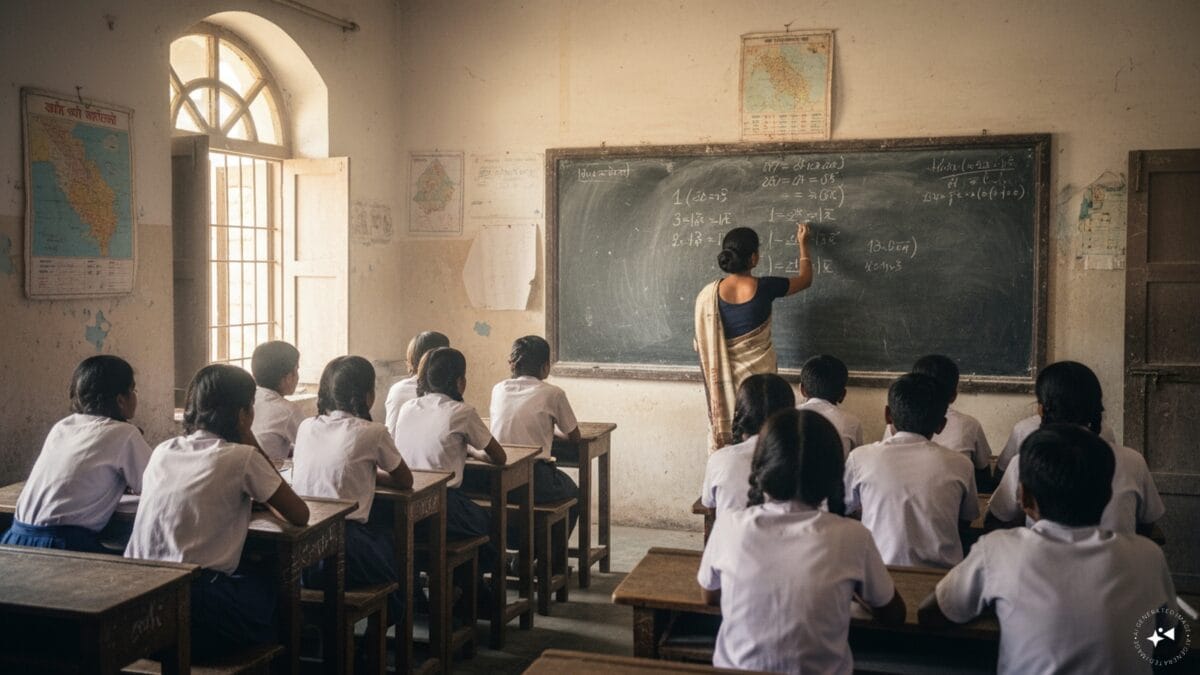
In a decisive move to invigorate academic discipline and meticulously monitor daily attendance, the picturesque state of Himachal Pradesh is embarking on a comprehensive educational overhaul. The state government has announced the impending introduction of a mandatory three-time daily attendance system across 150 of its state-run schools, all proudly affiliated with the Central Board of Secondary Education (CBSE). This initiative marks a significant step in the ongoing Himachal School Reforms, aiming to cultivate a culture of accountability among both students and staff, thereby elevating the overall quality of education.
Chief Minister Sukhvinder Singh Sukhu, a staunch advocate for educational excellence, unveiled this pivotal decision during a recent, high-stakes Education Department review meeting held in Shimla. The new operational mandate dictates that attendance will be rigorously recorded at three distinct junctures throughout the school day: upon morning arrival, after the lunch break, and finally, at the moment of students’ and teachers’ departure. This meticulous approach seeks to dramatically reduce instances of truancy and ensure a consistent, productive learning environment.
The Triple Check: A Bold Step in Himachal School Reforms
The implementation of a thrice-daily roll call is more than just a bureaucratic exercise; it is a strategic intervention designed to embed a robust sense of presence and accountability. Historically, single-point attendance systems have often been insufficient in tracking student and staff whereabouts throughout the day, inadvertently contributing to issues like ‘bunking’ or unexplained absences. This innovative triple-check system aims to plug those gaps, fostering a more disciplined atmosphere conducive to learning.
The rationale behind such stringent measures extends beyond mere headcount. It is rooted in the belief that consistent presence is foundational to effective teaching and learning. When students are regularly present, engaged, and accountable, their academic outcomes inevitably improve. Similarly, a heightened sense of accountability among educators can translate into more dedicated instruction and better classroom management. Such rigorous tracking, while potentially challenging to implement initially, promises long-term dividends in educational quality and student engagement. It’s an ambitious component of the wider Himachal School Reforms agenda.
Beyond Attendance: Dress Codes and Professionalism
But the reforms don’t stop at attendance. Alongside this attendance overhaul, Chief Minister Sukhu also declared the introduction of distinct, mandatory dress codes for both teachers and students across the 150 designated CBSE government institutions. This move is intended to instill a greater sense of professionalism, uniformity, and focus within the school community. A prescribed dress code for teachers, for instance, is set to become effective on October 1, 2026, marking a clear delineation of professional attire.
Recognizing the financial implications this might entail for educators, the state government has proactively addressed this by announcing a one-time financial grant of Rs 5,000 to each teacher. This grant is specifically earmarked to assist them in purchasing the prescribed attire, ensuring compliance without undue personal burden. For students, the guidelines concerning their uniforms in these specific institutions are currently being refined, with a final decision anticipated following further state-level consultations. This holistic approach signals a profound commitment to educational excellence and a structured environment, crucial for the success of these far-reaching national education policies.
Bridging the Divide: Infrastructure, Staffing, and Vision
A truly transformative educational reform cannot solely rely on disciplinary measures. It must also address the foundational elements of learning: infrastructure and human resources. Understanding this deeply, the state government has wisely allocated an additional Rs 80 crore specifically for the substantial upgrade of infrastructure, teaching tools, and overall classroom facilities across these 150 CBSE-affiliated schools. This considerable investment will likely manifest in modern laboratories, improved libraries, digital classrooms, and better amenities, directly enriching the learning environment for thousands of students.
Furthermore, to facilitate a seamless transition to the demanding national education board curriculum, approximately 1,200 specialised teachers have already been recruited. This significant influx of qualified personnel is designed to strengthen the academic backbone of these institutions. Plans are also underway for additional staff appointments in upcoming hiring drives, demonstrating a sustained commitment to adequate staffing. Chief Minister Sukhu unequivocally underscored that the overarching objective of these Himachal School Reforms is nothing less than bridging the stark urban-rural educational divide. The aspiration is clear: to ensure that children residing in even the most remote areas gain equitable access to quality, disciplined, and modern education right at their doorsteps, thereby fostering a more inclusive and skilled future for the state.