
UN experts call on India to stop using ‘excessive force’ against protesters
Introduction & Key Takeaways
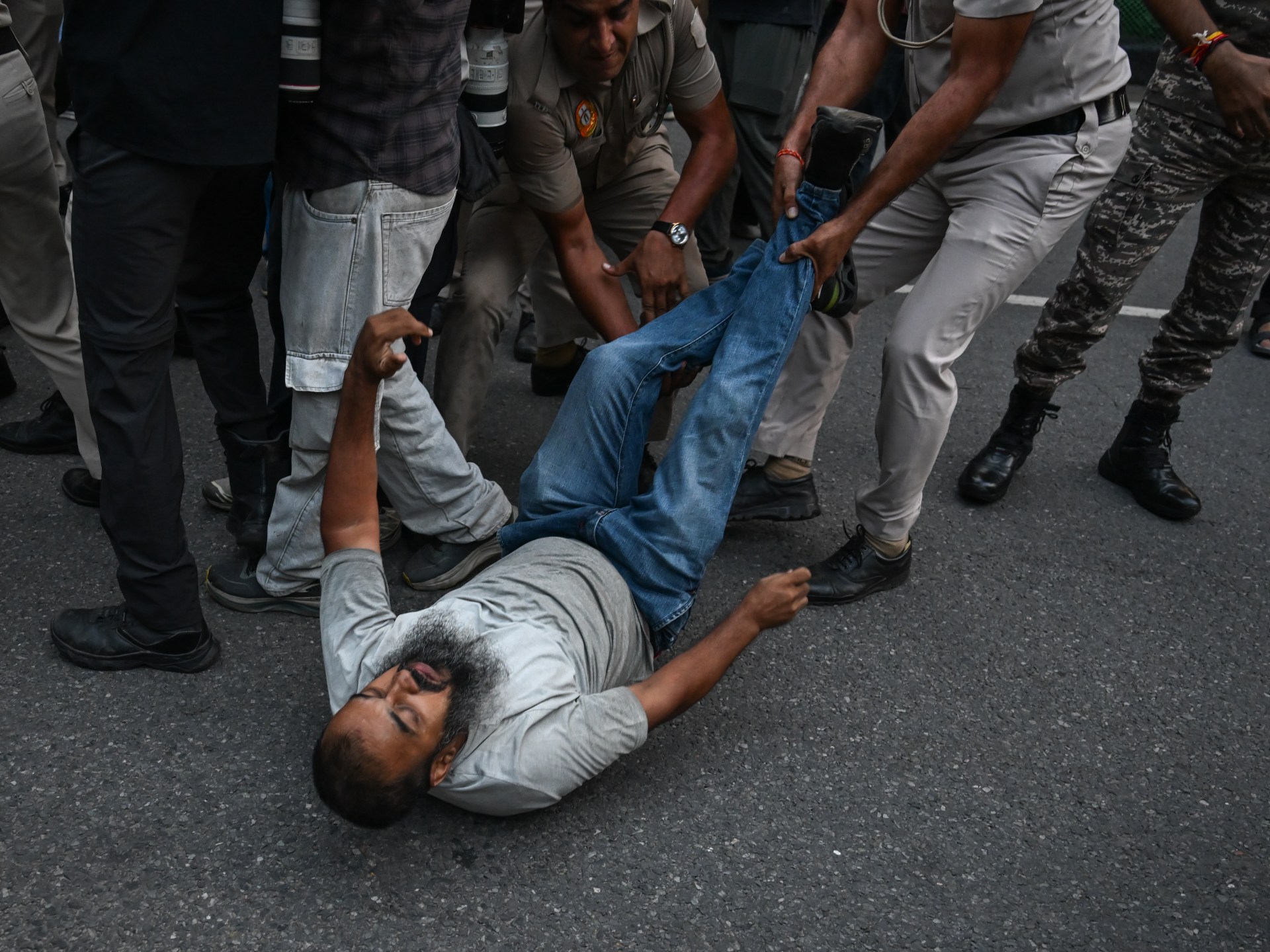
In a significant escalation regarding human rights and political stability in South Asia, independent UN experts have officially urged the Indian government to halt the deployment of excessive force against demonstrators. The call comes amidst widespread unrest across the nation, primarily driven by the Cockroach Janta Party (CJP), as citizens protest alleged systemic electoral irregularities. This article examines the rising tension between state security apparatuses and democratic assembly rights.
- UN independent experts have demanded an impartial investigation into alleged state brutality against peaceful protesters.
- The protests are fueled by claims that 130 million voters, primarily from minority and marginalized backgrounds, were removed from electoral rolls.
- Authorities are accused of utilizing lathi charges, digital surveillance, and internet blackouts to stifle the growing dissent.
- India maintains a firm stance, rejecting these international critiques as foreign interference in domestic governance.
Background & Context (What Just Happened?)
The current volatility is rooted in intense political friction sparked by the activities of the Cockroach Janta Party. The party, along with a coalition of student organizations, has spearheaded a movement demanding the immediate resignation of Chief Election Commissioner Gyanesh Kumar. The protest movement gained momentum following reports that the voter registry had been purged of approximately 130 million names. While the Election Commission of India asserts that this is a standard procedural cleanup to remove duplicate or ineligible entries, opposition leaders argue that the deletions disproportionately target ethnic minorities and the urban poor who typically oppose the ruling Bharatiya Janata Party (BJP).
Root Cause & Deep Dive Analysis (Why Did This Happen?)
The nexus of the conflict lies in the fundamental disagreement over electoral integrity and democratic representation. In a nation of over 1.4 billion people, the management of voter rolls is a colossal logistical undertaking. However, when administrative actions overlap with polarizing political agendas, the perception of bias becomes inevitable. The CJP, by mobilizing supporters under the banner of electoral reform, has challenged the very foundations of the current administrative setup. The UN experts note that while the assemblies were largely non-violent, law enforcement agencies have responded with traditional crowd control methods, such as lathi charges, which have become a flashpoint for international concern.
Furthermore, the reliance on digital surveillance and biometric tracking during these demonstrations has raised alarms regarding privacy and freedom of movement. The integration of modern technology in policing is meant to ensure security, but critics argue it serves to intimidate potential protesters. The specific reports of gender-based abuse and sexual violence during detentions add a harrowing layer to the discourse, necessitating the call for an independent, impartial investigation that the UN advocates.
Strategic Implications & Future Impact (What Does This Mean Globally?)
Globally, the situation places India in a delicate position with international human rights bodies. For a nation that frequently champions itself as the world’s largest democracy, accusations of systemic suppression of dissent can lead to diplomatic friction with Western partners. Should the Indian government continue to dismiss these concerns as interference, it may find its international standing strained, particularly in forums that prioritize civil liberties. Economically, prolonged instability in the national capital could risk market confidence, as investors generally prefer predictable political environments. The intersection of domestic policy and human rights scrutiny remains a critical factor for global diplomatic relations.
Conclusion & What to Watch Next
Moving forward, the primary focus must be on the judicial responses to the ongoing detentions and the government’s reaction to the UN’s statement. If the state refuses to pivot toward a policy of restraint, the potential for further radicalization within student movements is high. Observers will be closely watching for any movement toward genuine electoral transparency or a willingness from the Election Commission to engage with the grievances of the opposition. The legacy of these protests, regardless of the immediate outcome, will likely shape India’s electoral narrative for years to come.