
Venezuela’s Delcy Rodriguez promises elections at UN, gives no date
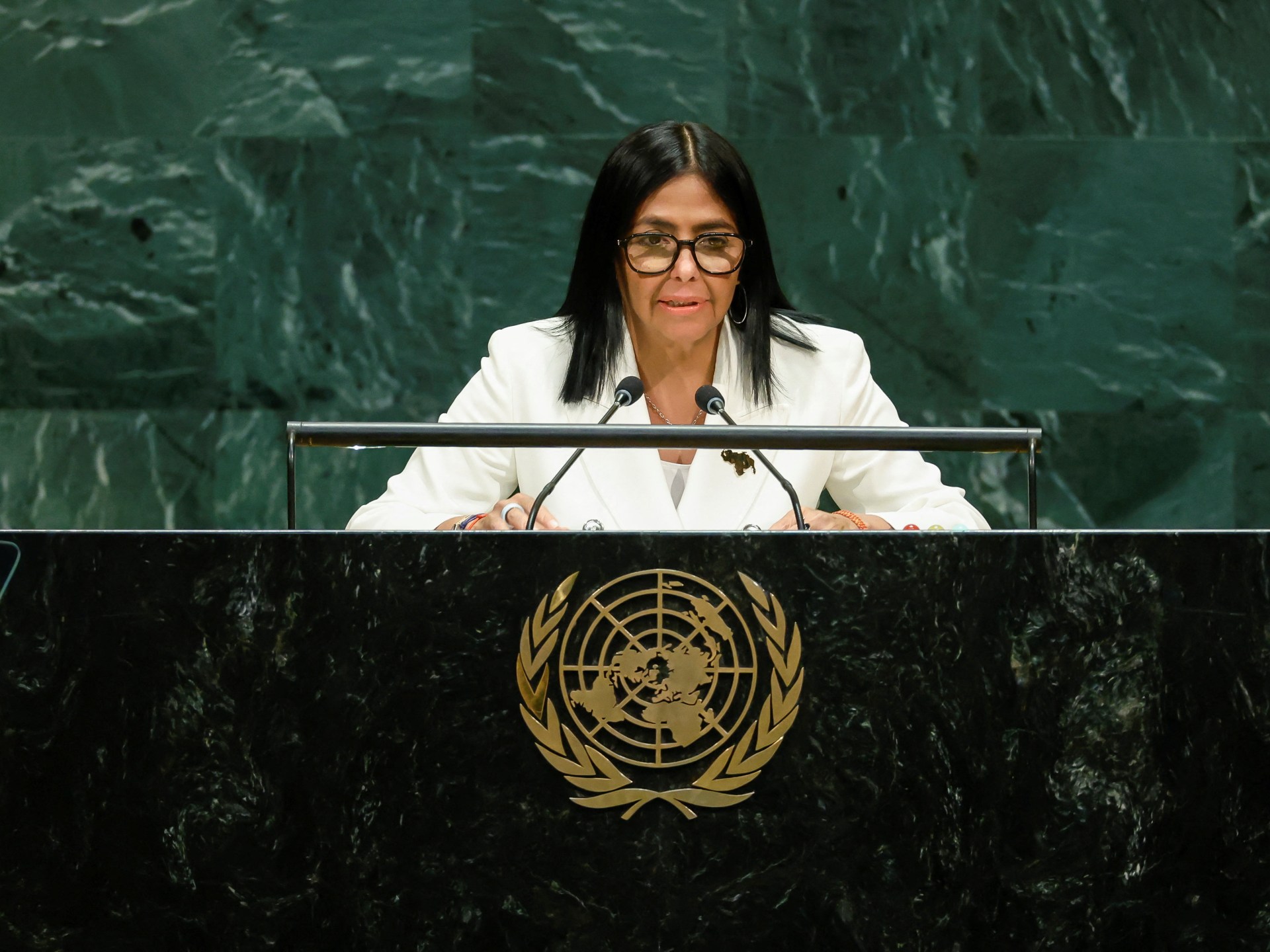
In a high-stakes address at the 81st United Nations General Assembly, interim President Delcy Rodriguez has signaled a pivotal shift for her nation. By emphasizing Venezuela elections as a core component of the country’s democratic transition, she aimed to stabilize both domestic sentiment and international perceptions. However, the lack of a concrete timeline has sparked skepticism among global observers and local critics alike.
Standing before the international body in New York, Rodriguez insisted that her administration is committed to a “process based on equal conditions for all.” This diplomatic overture comes at a time when the nation is navigating a precarious path toward stability. For more context on how global leaders are reacting to shifting alliances, see how major powers are navigating new tensions.
The Road to Venezuela Elections
The political landscape in Caracas has been profoundly reshaped since a clandestine U.S. military operation in January resulted in the abduction of former leader Nicolas Maduro. With Maduro now awaiting trial in the United States, Rodriguez faces the immense challenge of legitimizing her interim presidency. She framed the current era as a “rebirth” for the nation, though she candidly acknowledged, “I do not promise you an easy way forward.”
While the prospect of upcoming Venezuela elections remains the headline, the reality is intertwined with complex economic negotiations. Rodriguez held sideline meetings with President Donald Trump, signaling a thaw in bilateral relations. Reports indicate that these discussions included the restructuring of Venezuela’s massive sovereign debt—a move that some analysts argue prioritizes fiscal stability over the immediate restoration of democratic norms. For a broader look at international legal standards and investigative transparency, readers may refer to official governmental reports on security breaches.
Critics remain unconvinced. Many believe that by engaging in direct oil and investment deals, Washington has effectively abandoned the local opposition. There is an underlying fear that the promise of Venezuela elections might be a stalling tactic designed to buy time for an administration struggling to recover from years of economic collapse and internal strife. As Rodriguez noted, the priority is “rebuilding our national soul,” yet the true test of her leadership will be whether she can transition these words into a transparent, verifiable voting process.
As the international community watches, the tension between economic necessity and democratic accountability continues to mount. Whether the interim government can truly deliver on its promises before the global community loses patience remains the defining question of this fragile era.