
Violent clashes, looting and buildings ablaze in France as over 1,000 arrested after protests
Introduction & Key Takeaways
France is currently grappling with a wave of intense civil unrest, as recent demonstrations against the cost of living and systemic failures in public education have descended into chaos. The situation, characterized by widespread rioting, has put the nation on edge. With at least 1,200 individuals arrested following massive marches that saw nearly 550,000 citizens take to the streets, the country faces a volatile period of instability. These France protests represent more than just economic frustration, as they mirror deep political fissures ahead of a looming presidential election cycle.
- Over 1,200 arrests were recorded following widespread clashes between police and protesters.
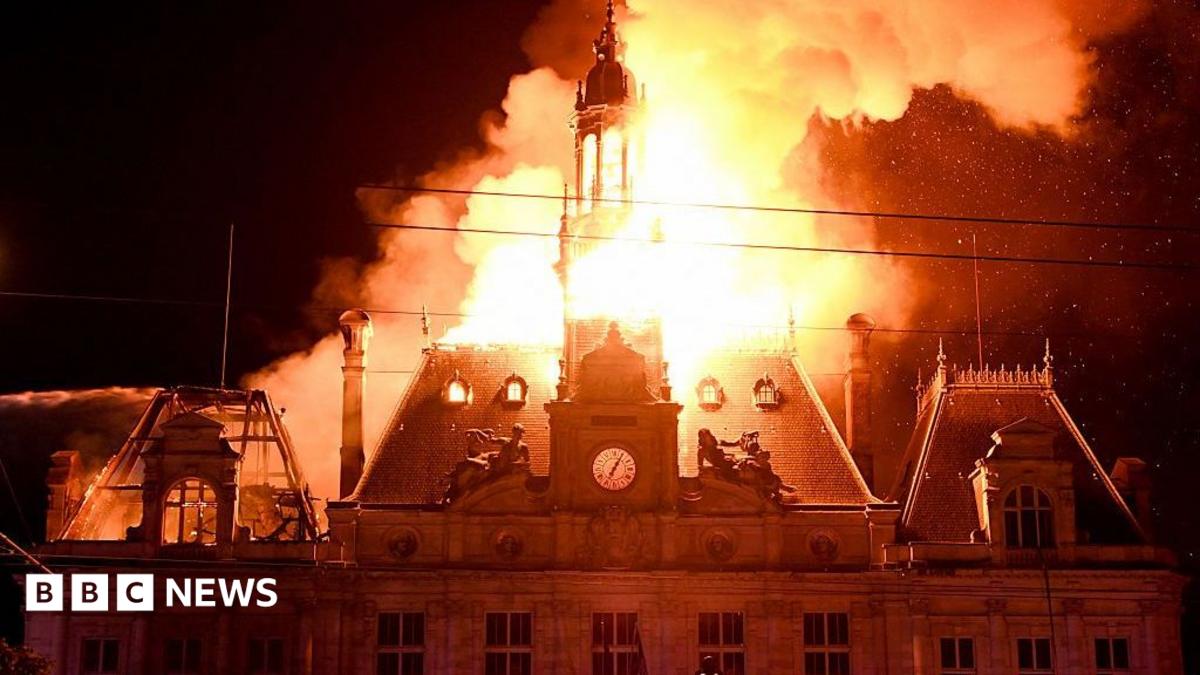
- Government buildings, including town halls in Limoges, have suffered catastrophic damage from arson.
- The unrest is fueled by a combination of school funding grievances, persistent inflation, and intense political polarization.
- Strategic tension is mounting as major political figures trade accusations of manipulating the movement for electoral gain.
Background & Context: What Just Happened?
The unrest began as a grassroots mobilization by students demanding urgent reforms to the lycées, citing severe staff shortages and deteriorating physical infrastructure. What started as localized, peaceful expressions of dissent quickly expanded, drawing in trade union members and diverse protest groups, including descendants of the influential yellow vest movement. As the demonstrations grew, the focus broadened to encompass the crushing burden of the high cost of living, which has become a central point of contention for middle and lower-class households across France.
Root Cause & Deep Dive Analysis
The violence seen on the streets is the manifestation of a long-standing disconnect between the government and the French electorate. While the administration of President Emmanuel Macron has attempted to offer concessions, such as the promise of 3,000 additional supply teachers, many observers argue that these gestures are insufficient to address the underlying structural rot in the public sector. The rapid escalation into looting and arson, particularly targeting iconic civic structures like the Limoges town hall, signifies a move toward radicalism. Analysts suggest that the presence of extremist elements has effectively highjacked the legitimate concerns of peaceful protesters, turning protests into a venue for violent confrontation with law enforcement.
Strategic Implications & Future Impact
The strategic outlook for France remains precarious. With President Macron approaching the end of his term, the France protests are inevitably being framed through the lens of electoral politics. Figures such as Marine Le Pen and Jean-Luc Mélenchon are locked in a fierce narrative battle to define the cause of this unrest. Le Pen has accused the hard-left of weaponizing social grievances, while Mélenchon maintains that police tactics have been excessive and inflammatory. This blame game threatens to deepen existing social divisions, potentially cementing a path toward a highly fractured electoral outcome in April. The economic impact is equally concerning, as property damage and the disruption of local businesses exacerbate the very cost-of-living crises that protesters claim to be fighting.
Conclusion & What to Watch Next
As the government promises a hard line of prosecution for those involved in criminal acts, the risk of further radicalization remains high. The inability of political leaders to reach a consensus or provide meaningful relief to a suffering public has left the door open for continued turmoil. For a comprehensive look at how civil movements evolve, it is useful to compare this with global historical trends in civil unrest. Looking forward, observers should monitor the government’s response to the upcoming election cycles and whether the next wave of France protests will be met with dialogue or further state intervention.