
West Kelowna pizza shop owner says viral ‘prank’ crossed the line
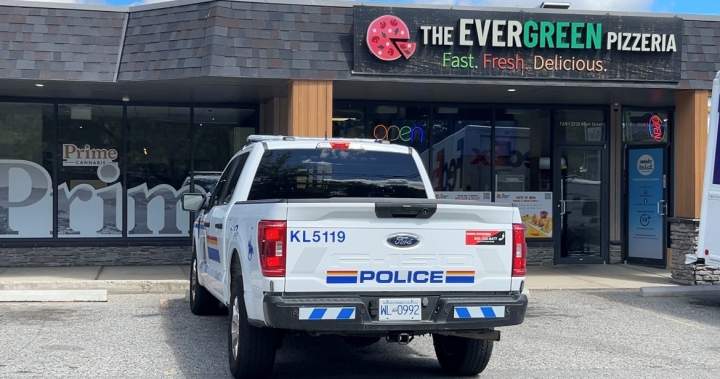
WEST KELOWNA, B.C. — A local pizzeria owner in West Kelowna finds himself reeling after what he now believes was an elaborate, cruel social media prank that escalated into a theft. Dalwinder Dub, proprietor of Evergreen Pizzeria, is speaking out about a harrowing encounter that left him shaken and questioning his instinct to help others.
A Deceptive Social Media Prank Leads to Theft
The incident, unfolding last Wednesday evening, began innocuously enough when a frantic teenager burst into Evergreen Pizzeria, shouting for help, claiming someone was chasing him. Moments later, security footage reveals a second teen rushing in, spewing threats at the first. Dub, driven by a natural instinct to protect, bravely stepped between the two, attempting to de-escalate the volatile situation. He even managed to usher the second, more aggressive teen, out of his establishment.
However, Dub’s relief quickly turned to heartache. He watched, aghast, as the two “antagonists” departed together in the very same vehicle. “Heartbroken when I realized that they are together,” Dub recounted, his voice tinged with betrayal. It became starkly apparent: this was no genuine cry for help. A cellphone and a sum of petty cash vanished during the chaotic deception, which Dub is convinced was a calculated social media prank designed for online notoriety.
Further compounding the outrage, a video of the entire event later surfaced on TikTok. This footage, reportedly captured via filming sunglasses, confirmed Dub’s suspicions about the incident’s true, manipulative nature. The brazenness of recording such a stunt for social media engagement is deeply concerning.
RCMP Investigates Dangerous Online Trend
Const. Ash Puri, spokesperson for the West Kelowna RCMP, confirmed that an investigation into the matter is actively ongoing. While no similar incidents of social media prank-related thefts have been widely reported in recent months, Puri stressed that all complaints, including those involving alleged pranks, are taken seriously and thoroughly investigated to ascertain their validity. The police are pursuing leads, noting suspects were described as wearing similar clothing and likely recording their actions.
Dub’s experience has left an indelible mark. Once a compassionate helper, he now faces a difficult dilemma. “I’m always happy to help but next time, if someone comes and asks for help, I think I will think twice — should I help them or no?” he lamented. He urges the teens responsible to do the right thing: return the stolen items and offer a sincere apology. The proliferation of such online antics raises critical questions about ethical boundaries and the real-world impact of digital content creation. For those interested in responsible online conduct, reviewing community guidelines can offer valuable insights.