
‘Critic to Israel’: Document reveals how Israel scrutinised global NGOs
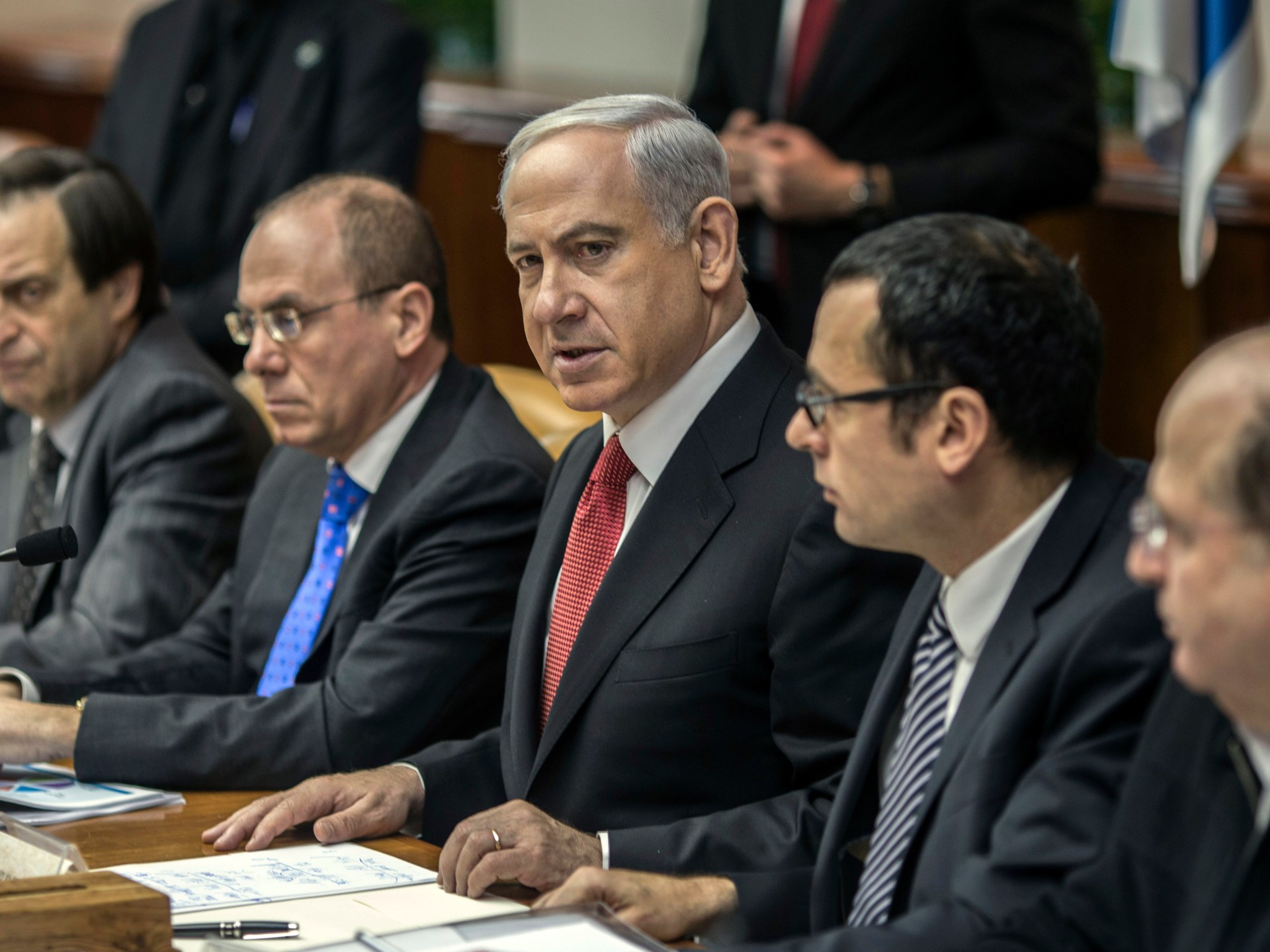
An explosive internal government document, exclusively obtained by Al Jazeera, lays bare the meticulous Israel NGO scrutiny tactics employed to track global charities. This startling revelation spotlights how, as far back as 2013, Israeli authorities covertly gathered intelligence on some of the world’s most venerable humanitarian organizations, often singling them out for their perceived positions on the deeply complex Israel-Palestine conflict.
The file, a comprehensive spreadsheet accessed through an Israeli ministry website, detailed over 150 charities. It contained basic information such as directorship, addresses, contact details, and areas of operation. Yet, a chilling “comments” column truly distinguished it. Here, 15 organizations were labeled with telling remarks: France’s Premiere Urgence Internationale was marked as a “critic of Israel,” Geneva-based Defence for Children International was “involved in anti-Israel campaigning,” and Spain’s Mundubat was described as “highly involved in BDS,” referring to the Boycott, Divestment, Sanctions campaign.
The document went further, suggesting Oxfam was “active in global BDS efforts” and appeared to encourage NGOs to engage in “violations of international law” by supporting projects in the occupied West Bank without Israeli Civil Administration approval. Oxfam vehemently denied these assertions to Al Jazeera, stating the comments “appear to reflect allegations and interpretations, rather than an objective assessment” of its work. The organization, a long-established humanitarian entity, rejected claims unsupported by credible evidence, reaffirming its commitment to international law and highlighting that Israeli settlements violate these very tenets.
Unveiling Israel NGO Scrutiny Methods
Tania Hary, executive director of Gisha, an Israeli NGO championing Palestinian freedom of movement, dismisses any security justification for the document. “This has nothing to do with security,” Hary stated emphatically. She views it as undeniable proof that the Israeli government has, for decades, meticulously tracked organizations providing life-saving assistance to Palestinians living under occupation. This systematic Israel NGO scrutiny, analysts suggest, was a precursor to stricter laws and policies.
The spreadsheet, sourced from what was then Israel’s Ministry of Labour, Social Affairs and Social Services, often cited NGO Monitor as its source for these critical comments. NGO Monitor, which defines itself as a nonpartisan research institute, conspicuously lists campaigns like “Mapping the anti-Israel NGO network in the US,” and has published reports questioning the existence of Palestinian terror, as described by Mayssoun Sukarieh, a senior lecturer at King’s College London, as a “right-wing” organization targeting pro-Palestine voices.
Compiled in October 2013, the document emerged at a pivotal moment when the BDS movement was undeniably gaining global traction. That year witnessed Stephen Hawking boycotting an Israeli conference, academic boycott resolutions passed by student bodies, and even Canada’s largest Protestant church launching a campaign against goods from illegal Israeli settlements. Experts assert the file offers a critical glimpse into Israel’s evolving methodology for monitoring charities and the BDS movement, predating a 2017 law that explicitly barred entry to BDS supporters.
Giovanni Fassina, director of the European Legal Support Center, contextualized the list’s compilation within the “hype of the years Israel was passing laws and fighting BDS.” He underscored Israel’s long-standing tactic of “blacklisting” individuals and groups, often leveraging networks akin to NGO Monitor. The depth of Israel NGO scrutiny outlined in the file underscores a long-standing pattern, suggesting this document marked an early phase of what would become a systemic, state-backed campaign.
Among other charities flagged were ACSUR-Las Segovias (Spain), DanChurchAid (Denmark), Diakonia/NAD (Sweden/Norway), Kvinna till Kvinna Foundation (Sweden), Medical Aid for Palestinians (UK), Medico International (Germany), Norwegian Refugee Council, Palestine Solidarity Association of Sweden, Solidarite Socialiste (Belgium), Vento di Terra Onlus (Italy), and World Vision International. Tsafrir Cohen, director of Medico International, was noted for his writings on BDS campaigns and a 2012 report exploring Europe’s role in sustaining Israeli settlements.
Medico’s Riad Othman, describing their report as “rather tame” and not even calling for sanctions, viewed the leaked file as an “overreaction” from Israel. While Medico does not support or promote the boycott movement, it has staunchly defended the right of individuals and groups to advocate for such boycotts. Similarly, the Palestine Solidarity Association of Sweden, whose representative once attempted to deliver aid to Gaza by boat, proudly affirmed their active involvement in BDS, viewing it as the most effective strategy to uphold Palestinian rights and ensure adherence to international law.
The scrutiny of the NGO sector has intensified amidst Israel’s devastating war on Gaza. Since October 2023, the conflict has claimed over 73,000 Palestinian lives. During this brutal onslaught, Israeli authorities have severely restricted humanitarian aid to Gaza, blocked foreign aid workers, and demanded personal details of Palestinian staff from 37 NGOs simply for them to continue their vital work. International charities have always performed essential work in Palestine, yet, as Sukarieh observes, “so many restrictions” and “constant monitoring too” have been Israel’s enduring response. For a deeper understanding of the fundamental principles of humanitarian aid, explore this crucial topic.