
Over 6,000 Ebola cases confirmed in DRC as death toll nears 3,000
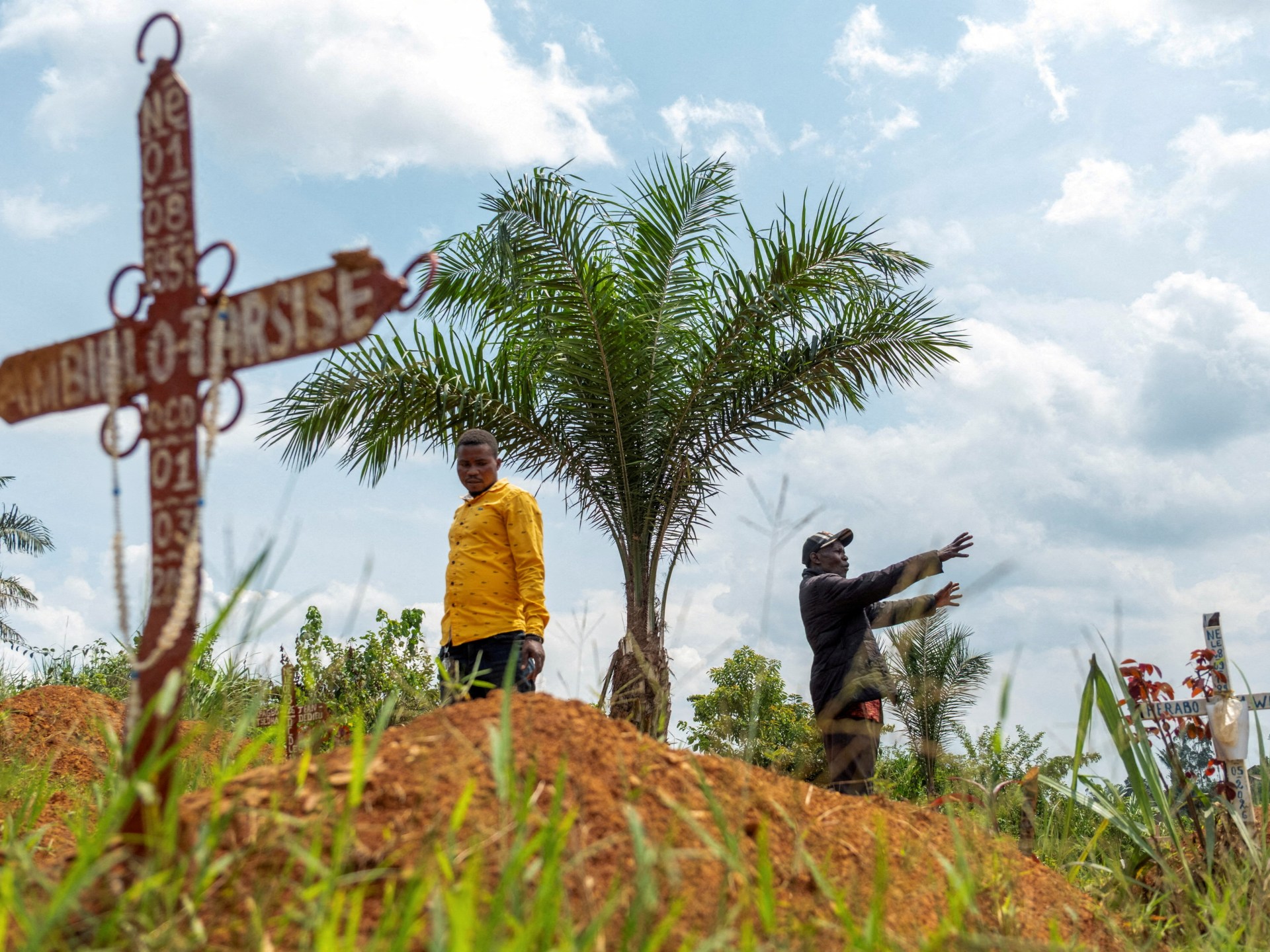
A somber milestone has been reached in the Democratic Republic of Congo (DRC) as the nation grapples with an unrelenting viral disease. New data reveals that the devastating DRC Ebola Outbreak has officially surpassed 6,000 confirmed cases, with the tragic death toll rapidly approaching 3,000. This harrowing surge marks the worst Ebola epidemic the vast central African nation has ever endured, presenting an unparalleled challenge to global public health efforts.
The latest figures released by the DRC Ministry of Communications paint a grim picture: 6,041 confirmed cases, alongside 1,366 recoveries, yet a staggering 2,911 fatalities. An additional 619 patients are currently battling the virus, either in isolation facilities or hospitalized, clinging to life. This particular outbreak is being driven by the formidable Bundibugyo strain of the Ebola virus, for which, critically, no approved vaccine or specific treatment currently exists. The relentless march of the virus has prompted United Nations Secretary-General Antonio Guterres to describe it as “the fastest-spreading Ebola epidemic ever recorded,” a chilling assessment that underscores the gravity of the situation.
The Multi-faceted Crisis of the DRC Ebola Outbreak
What makes this outbreak particularly tenacious and difficult to contain is its concentration in the eastern provinces of the DRC. This region is a crucible of armed conflict, widespread displacement, and long-standing humanitarian crises. The ceaseless violence and instability create an environment where traditional public health interventions, such as contact tracing and safe burial practices, are not only challenging but often perilous for frontline workers. Imagine attempting to meticulously track every individual who has come into contact with an infected person, or safely bury the deceased, amidst the chaos of ongoing skirmishes and deeply rooted community mistrust.
Indeed, the Africa Centres for Disease Control and Prevention highlights a significant hurdle: a considerable number of new infections are occurring among individuals who are not being effectively monitored through traditional contact tracing mechanisms. This gap in surveillance is a direct consequence of the insecurity and the fluid movement of populations fleeing violence, making it nearly impossible to establish a clear chain of transmission. The World Health Organization (WHO) and other humanitarian organizations like Doctors Without Borders have been on the ground, mobilizing extensive resources, yet their efforts are continually hampered by the complex socio-political landscape.
Logistical Nightmares and Health Worker Strikes Compound Efforts
Beyond the conflict, the logistical landscape is equally daunting. Airport closures and flight restrictions severely disrupt the flow of essential medical supplies, diagnostic equipment, and specialized personnel into affected areas. The sheer geographical expanse and lack of robust infrastructure within the DRC mean that even when aid arrives in the country, distributing it to remote, hard-to-reach communities is an arduous and often dangerous undertaking. Healthcare delivery, already fragile in many parts of the country, is further compromised, leaving communities vulnerable.
As if the epidemiological and security challenges weren’t enough, the very backbone of the response effort – the dedicated healthcare workers – have faced their own struggles. In early August, many frontline personnel courageously went on strike, protesting inadequate wages and dire working conditions. These individuals, risking their lives daily in the most hazardous environments, are often underpaid, overworked, and undersupported. Their strike underscored a deeper systemic issue: the profound neglect of those who stand between the population and the spread of deadly diseases. It’s a stark reminder that battling an epidemic requires not just scientific prowess but also fundamental respect and support for those on the ground.
Meanwhile, in a glimmer of hope from a neighboring nation, Uganda was declared free of the Ebola virus on August 28, having reported no new cases for 42 consecutive days. This serves as a testament to what can be achieved with concerted effort and stable conditions, but it also casts a long shadow on the ongoing struggle within the DRC.
The global community watches with bated breath as the DRC Ebola Outbreak continues its destructive path. The intertwined crises of public health, conflict, and humanitarian needs demand an integrated and sustained response. Without addressing the underlying issues of insecurity and strengthening the healthcare infrastructure, containing this and future epidemics remains an Everest-sized task. For other nations facing similar public health challenges, understanding how best to contain outbreaks is paramount, as demonstrated by the complexities seen when Mpox made a resurgence in new territories. The human cost of this devastating disease continues to mount, a stark reminder of our collective vulnerability and the urgent need for a more robust, equitable, and peaceful world order to tackle such profound challenges. The sheer scale of human suffering in the region also echoes the struggles of other nations battling simultaneous crises, such as the unfolding tragedy of Nepal’s floods, where hundreds were trapped, highlighting the layered humanitarian disasters that often befall vulnerable populations.