
Xi got Trump’s red carpet welcome – but not everything he wanted
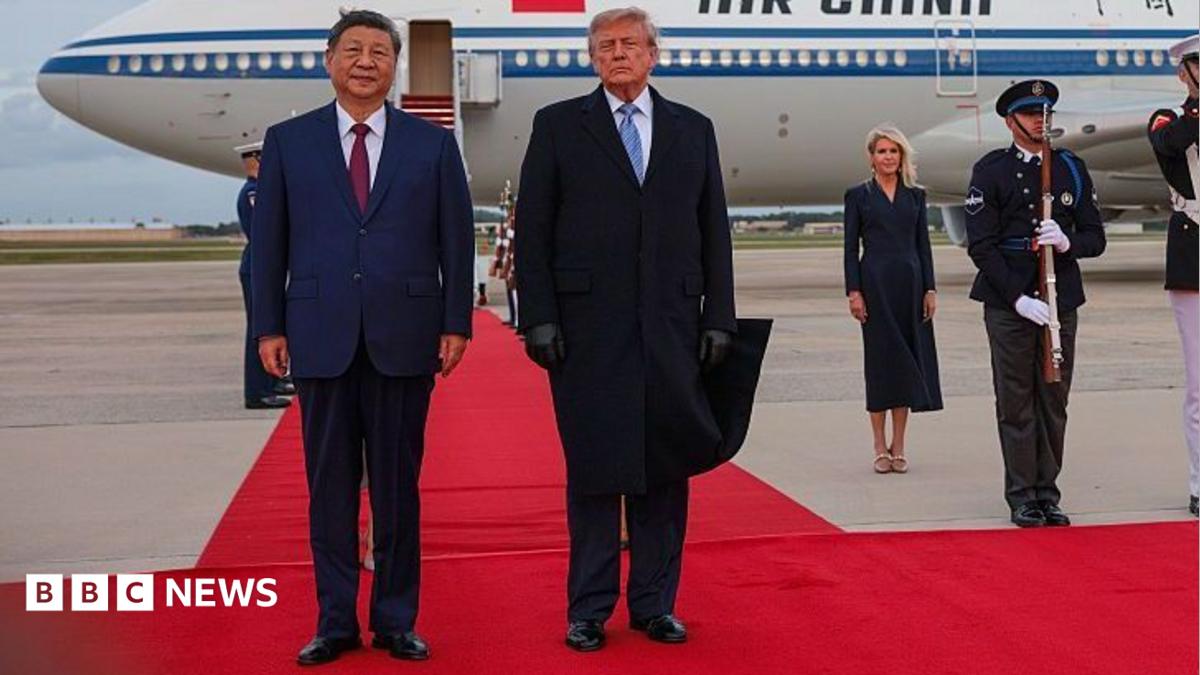
When the leaders of the world’s two most powerful nations meet, the global stage shifts. President Xi Jinping’s latest summit with Donald Trump highlights the complex, often fragile nature of China-US relations. While the optics were designed to convey stability, the substance of the meetings reveals a deeper, structural impasse. Despite the red carpet treatment, the fundamental geopolitical friction remains largely unresolved, leaving observers questioning the long-term trajectory of this high-stakes rivalry.
The central aim for Beijing has been clear for years: they view the United States as an obstacle to their rise as a peer superpower. This objective, however, collided with the reality of American domestic policy and international trade demands. The recent trade truce, which prevented an immediate escalation in tariffs, was extended only until January. Beijing had clearly hoped for a year-long reprieve, but Washington’s refusal to offer long-term concessions suggests a strategy of sustained pressure.
The Geopolitics of China-US Relations
Behind the scenes, the economic pressures on China are immense. Domestic consumer confidence is shaky, youth unemployment has become a persistent thorn in the side of the administration, and the property sector is suffering from a massive downturn. In this context, trade remains the primary engine of growth, making the need for open access to international markets more urgent than ever. Geopolitical maneuvering between these two nations is not just about dominance, but about survival in an increasingly volatile global economy.
Taiwan continues to serve as the ultimate red line in these discussions. The United States is legally obligated to provide for the defense of the island, a policy that consistently irritates Beijing. Trump’s description of arms packages as a negotiating chip has added a layer of unpredictability to the relationship. While Xi argued that restraint in support for Taiwan reduces the risk of conflict, there has been no official shift in the American stance, keeping the issue simmering as a potential flashpoint.
Technology, particularly the rapid evolution of artificial intelligence, remains another contentious domain. Despite widespread concerns voiced by industry experts regarding the safety and existential risks associated with AI, the summit produced few concrete safeguards. While Xi emphasized the need for AI to remain under human control, Trump’s dismissal of such existential fears as a hoax highlights the significant ideological divide regarding how to regulate the future of innovation.
Beyond the policy clashes, the visit relied heavily on traditional diplomatic symbols. The announcement of renewed panda diplomacy, with the promise of more giant pandas arriving in Atlanta soon, offered a fleeting distraction from the heavier geopolitical realities. For now, the victory for Beijing rests largely on the optics of the event. The images of the state banquet have been circulated heavily on Chinese social media to portray Xi as an equal on the world stage.
Ultimately, while the pageantry of a summit can smooth the surface, it rarely resolves the underlying currents of competition. Whether through the lens of trade, security, or technology, the relationship between Washington and Beijing is destined to remain a contest of wills for the foreseeable future. As the world watches, both leaders are playing a long game, one that transcends simple handshakes and state dinners.